Location: Home >> Detail
J Sustain Res. 2026;8(1):e260005. https://doi.org/10.20900/jsr20260005
 ,
Jorge Gomes * ,
Rui Guedes ,
Mário Romão
,
Jorge Gomes * ,
Rui Guedes ,
Mário Romão
Lisbon School of Economics & Management, University of Lisbon, Lisboa 1200-781, Portugal
* Correspondence: Jorge Gomes
This study explores consumer perceptions of how blockchain technology (BCT) may contribute to trust, transparency, and authenticity in the wine supply chain. Employing a mixed-methods design, the research combines a systematic literature review with a quantitative consumer survey and qualitative interviews. The primary empirical focus is on wine consumers, complemented by contextual insights from a limited number of producers, distributors, and industry experts. The findings indicate that while consumer awareness of BCT is relatively low, the technology is commonly perceived as enhancing traceability, reducing counterfeiting, and increasing confidence in product authenticity. Importantly, the study does not assess the technical performance or implementation outcomes of blockchain systems, but rather examines how such technologies are understood and evaluated by consumers. By foregrounding perception rather than functionality, the study highlights the central role of consumer trust in shaping the potential adoption of blockchain-based solutions and provides an exploratory foundation for future research involving broader stakeholder samples and empirical implementation analysis.
The wine industry is a sector deeply rooted in tradition and regional identity, but it faces modern challenges, such as counterfeiting, limited traceability, and declining consumer trust [1]. Counterfeit wine not only undermines brand integrity but also poses risks to consumer safety and causes significant economic losses. In Europe, the wine industry loses an estimated €530 million annually due to counterfeiting, and in Portugal, one of the world’s most renowned wine producers, losses reach €19 million per year [2]. These challenges are exacerbated by the complexity of global trade and e-commerce, which have made supply chains less transparent and more difficult to monitor [3]. Traditional methods to ensure wine authenticity, such as geographical indications and chemical analyses, often fall short in providing the comprehensive traceability demanded by modern consumers who are increasingly conscious of the origin, quality, and ethical practices behind the products they purchase [4].
BCT offers a potential solution to these issues. Originally designed for cryptocurrencies, blockchain has evolved into a technology that is now applied across various industries, including supply chain management. Blockchain provides a decentralized, immutable digital ledger that can enhance traceability and authenticity, making it well-suited for the wine industry, where transparency is critical. By enabling consumers to track the journey of a bottle of wine from vineyard to store shelf, blockchain can help reduce counterfeiting and enhance trust among consumers, producers, distributors, and retailers [5]. However, blockchain adoption in the wine sector faces challenges such as scalability, energy consumption, and regulatory compliance [6].
This study explores the perceptions of consumers and a limited number of industry stakeholders regarding the role of blockchain in improving wine authenticity and reducing counterfeiting. The research addresses the following questions:
1.
2.
3.
4.
The objectives of this research are to:
1.
2.
3.
These objectives guide a perception-focused analysis that aims to contribute to understanding how blockchain can be integrated into the wine industry, inform future research on technology adoption, and support consumer engagement strategies.
Today, the wine industry is a global economic force, valued at $435 billion in 2021 and projected to reach $686 billion by 2028, with a compound annual growth rate (CAGR) of 6.4% [7]. Europe remains the dominant player in the global wine market, accounting for 46% of production and consumption. France, Italy, Spain, and Portugal are particularly notable, contributing not only to the economic value of wine but also to its cultural and symbolic significance [8]. These countries are known for their distinct wine regions, each offering unique characteristics influenced by terroir, winemaking techniques, and heritage. For example, Portugal’s Douro Valley and France’s Bordeaux region are globally renowned for producing some of the finest wines. Despite its enduring success, the wine industry is grappling with significant challenges that threaten its integrity and sustainability These challenges are multifaceted, encompassing issues of counterfeiting, traceability, and consumer trust [9].
Counterfeiting is one of the most pressing concerns in the wine industry, particularly for high-value and premium wines [10]. Counterfeit wines not only cause substantial financial losses but also damage brand reputation and erode consumer trust. Estimates indicate that the global wine industry loses billions annually to counterfeiting. In Europe alone, counterfeit wine costs the sector €530 million annually, with Portugal reporting an annual loss of €19 million due to fake wine products [2,11]. Common fraudulent practices include diluting authentic wines, mislabelling country or region of origin, and creating fake vintages [12]. These practices harm both consumers and legitimate producers. Traceability in the wine supply chain is limited, creating vulnerabilities that counterfeiters exploit. The current systems, including geographical indications such as Protected Designation of Origin (PDO) and Protected Geographical Indication (PGI), provide some level of assurance but are not foolproof. They primarily protect wines produced in specific regions, leaving others unprotected and increasing the risk of fraud [13]. For consumers, verifying the authenticity of a bottle of wine remains a challenge due to the absence of easily accessible, reliable traceability systems. Modern consumers are increasingly conscious about the authenticity, origin, and ethical practices of the products they purchase [14]. This trend is particularly evident in the wine industry, where provenance and sustainability are critical factors influencing buying decisions [15]. However, the gap between consumer expectations and the industry’s ability to provide transparent and accessible information creates trust issues, especially in global markets where supply chains are long and complex. The wine industry is heavily regulated, with producers required to comply with stringent rules governing production, labelling, and distribution [16]. While these regulations aim to ensure quality and authenticity, they can also be burdensome, particularly for small-scale producers. Additionally, the lack of harmonized global standards complicates international trade, increasing costs and administrative burdens for exporters [17]. While technological advancements have transformed many industries, the wine sector has been relatively slow to adopt innovative solutions. Traditional authentication methods, such as isotopic analysis or chemical fingerprinting, are expensive and not widely accessible. This technological gap leaves room for fraud and limits the ability of producers and consumers to verify wine authenticity effectively [4].
The wine supply chain involves a complex network of stakeholders, from grape growers to consumers [18]. Traceability challenges emerge at every stage of this journey. It begins with grape cultivation, where factors like soil quality, climate, and vineyard management shape a wine’s character and authenticity. Variations in these factors contribute to the distinctiveness of wines, making provenance a critical component of their value [19]. After harvesting, the winemaking process involves multiple stages, including crushing, fermentation, aging, and bottling. Each step offers opportunities for fraud or mishandling, particularly in blending and labelling. The packaging and distribution stages are critical for ensuring that the product reaches consumers intact and authentic. However, these stages are also pointing where counterfeit products can infiltrate the supply chain, particularly in markets with weak regulatory oversight [20]. Consumers are the final link in the supply chain, relying on labels, certifications, and retailers to assure the authenticity of their purchases. Without robust traceability systems, consumers often have no way to verify the claims made by producers or sellers [21]. The challenges facing the wine industry create opportunities for innovation, particularly through the integration of advanced technologies. BCT, with its ability to provide secure, transparent, and tamper-proof records, offers a promising solution for addressing many of these challenges [22]. By enabling end-to-end traceability and enhancing trust among stakeholders, blockchain has the potential to revolutionize the wine supply chain and restore confidence in its integrity [18].
BCTBCT emerged as a revolutionary innovation in 2008 with the release of Bitcoin by an individual or group under the pseudonym Satoshi Nakamoto [23]. Initially conceptualized as a decentralized ledger for recording cryptocurrency transactions, blockchain quickly gained attention for its broader potential across various sectors. Its core principle—maintaining a distributed, immutable record of transactions—provided a foundation for addressing challenges of trust, transparency, and security in industries beyond finance.
Blockchain operates as a decentralized and distributed digital ledger, where data is recorded in “blocks” linked sequentially in a “chain.” Each block contains a list of transactions, a timestamp, and a cryptographic hash of the previous block, ensuring that records cannot be altered retroactively without consensus from the network [24]. This architecture is designed to promote transparency and security while eliminating the need for intermediaries.
Key Features of BCTDecentralization: Blockchain eliminates the need for a central authority by distributing control across a peer-to-peer network. Every participant in the network, known as a node, maintains a copy of the entire ledger, ensuring that no single entity can manipulate the data [25]. This decentralization enhances resilience and reduces the risks associated with single points of failure, making blockchain particularly useful for supply chains, where data integrity is critical [26].
Immutability: Once a transaction is recorded on the blockchain, it is virtually impossible to alter or delete it without collusion from a majority of the network. This immutability ensures the integrity of the data and builds trust among participants [27]. While immutability is a cornerstone of blockchain’s appeal, it is not without challenges, particularly when errors or regulatory requirements necessitate modifications [24].
Transparency: Blockchain’s transparency allows all participants in the network to access the same data, fostering trust and accountability. This feature is especially beneficial in industries like food and wine, where consumers demand verifiable information about the origin and quality of products [28].
Consensus Mechanisms: Blockchain relies on consensus algorithms to validate transactions. The most common mechanisms include Proof of Work (PoW), used by Bitcoin, and Proof of Stake (PoS), which is more energy-efficient and increasingly popular for newer blockchain systems [29]. These mechanisms ensure that all nodes in the network agree on the validity of transactions before they are added to the chain.
Smart Contracts: Smart contracts are self-executing agreements embedded in blockchain code, triggered automatically when predefined conditions are met [28]. They enable automation and efficiency in processes such as payments, regulatory compliance, and supply chain operations.
Anonymity and Privacy: Blockchain ensures anonymity by using cryptographic addresses instead of personal identifiers. However, this anonymity is not absolute, as advanced techniques can sometimes link addresses to individuals [30]. Privacy concerns remain a critical consideration, particularly in applications involving sensitive data.
Applications of Blockchain in IndustrySupply Chain Management: Blockchain provides end-to-end traceability in supply chains by recording every transaction in a tamper-proof ledger. This is particularly valuable in industries with complex supply chains, such as food and wine, where authenticity and transparency are critical [26]. For instance, Walmart has implemented blockchain to track produce from farm to store, reducing the time required for product recalls from weeks to seconds [31].
Counterfeit Prevention: Blockchain’s immutability and transparency make it an effective tool for combating counterfeiting. By linking physical products to digital records through QR codes or RFID tags, blockchain allows consumers and businesses to verify authenticity instantly [32]. In the wine industry, this capability addresses a major pain point by preventing the infiltration of counterfeit products.
Regulatory Compliance: Blockchain can streamline compliance with industry regulations by automating processes and maintaining a permanent record of transactions. Smart contracts ensure that regulatory requirements are met automatically, reducing administrative burdens and errors [33].
While this study primarily focuses on stakeholder perceptions—especially those of consumers—it is important to briefly outline the core mechanisms through which blockchain theoretically ensures traceability and prevents fraud within supply chains: (1) Smart Contracts: These are self-executing digital agreements that automatically enforce predefined rules and conditions. In the context of wine traceability, smart contracts could, for instance, trigger updates on a bottle’s provenance as it moves through the supply chain, ensuring real-time validation without intermediaries. (2) Consensus Models: Blockchain systems rely on consensus algorithms (such as PoW or PoS) to validate new transactions and ensure all participants agree on the state of the ledger. This collective validation prevents unauthorized modifications and enhances the trustworthiness of supply chain records. (3) Cryptographic Verification: Each transaction in a blockchain is secured using cryptographic hashes, which link it to the previous block. This ensures data immutability—any attempt to alter past records would be immediately detectable and rejected by the network.
Although these mechanisms are widely recognized in the literature for their potential to enhance transparency and prevent fraud, it is important to clarify that this study did not empirically evaluate the effectiveness of these technical features. Instead, our findings reflect stakeholder perceptions and expectations surrounding blockchain, rather than a technical audit of its implementation in the wine industry.
Consumer Trust and Engagement: Blockchain empowers consumers by providing verifiable information about the origin, quality, and sustainability of products. For example, a consumer purchasing a bottle of wine can use a blockchain-enabled QR code to access detailed information about the vineyard, production process, and certifications [1].
Blockchain Implementation in Wine Supply Chain Management (SCM)The integration of digital technologies in SCM is rapidly increasing, with Industry 4.0 technologies, including BCT, gaining traction among companies as they recognize its potential to transform business operations [34]. Ensuring the integrity of the supply chain is a critical consideration within the supply network [35]. This integrity pertains to the security it can offer [32] and its ability to reduce errors and enhance transparency [36]. However, implementing blockchain in the wine supply chain presents challenges, such as ensuring regulatory compliance, maintaining transaction proof, and utilizing zero-knowledge proofs to validate transactions while safeguarding sensitive information. Despite these challenges, blockchain offers solutions unique to traditional industries, providing enhanced auditability [34] and ensuring confidentiality and transparency [37].
The application of BCT addresses consumer concerns by fostering a safer and more transparent purchasing ecosystem. It also empowers wine professionals with immutable data, enabling more informed business decisions [38]. Smart contracts, a key feature of blockchain, can enhance traceability within the wine industry by recording every stage of the wine production process—from grape cultivation to bottling [1]. Numerous studies highlight the effectiveness of smart contracts in providing a simple and transparent mechanism for tracking and monitoring transactions across the wine supply chain [18].
An example of blockchain adoption in the wine industry is the European Commission’s “TagItWine” project, which introduced smart tags based on BCT. The initiative had a generally positive impact on wineries by improving traceability and consumer confidence. However, the primary challenge encountered was the fragility of the intelligent tag technology, attributed to a lack of commercially available printing solutions within the industry [39].
This study investigates how different factors influence stakeholder perceptions of BCT in the wine industry, with a focus on trust, traceability, and counterfeiting prevention. Based on the literature and gaps identified in prior research, the following hypotheses were developed:
Impact of Blockchain Benefits and Challenges on Stakeholder Perception (H1)Hypothesis (H1). Perceived benefits of BCT—such as enhanced traceability, fraud prevention, and increased consumer trust—positively influence stakeholder confidence in its application to the wine supply chain. At the same time, the challenges (e.g., scalability, cost, complexity) may mitigate or temper this confidence.
Rationale: Existing literature underscores that blockchain’s value proposition lies in its ability to improve transparency, prevent fraud, and foster trust among actors in the supply chain, including consumers [1,28]. However, the challenges associated with its implementation, such as high initial costs, technical complexity, and scalability issues, can limit its adoption [6]. Stakeholders who recognize blockchain’s benefits are likely to support its adoption, but those aware of its challenges may remain hesitant. This hypothesis aims to explore whether the perceived benefits of blockchain outweigh the perceived challenges, influencing positive attitudes toward blockchain adoption in the wine industry.
Research Objective: To assess whether the recognition of blockchain’s key benefits—including traceability and fraud prevention—positively influences stakeholder confidence in blockchain’s potential to ensure wine authenticity and reduce counterfeiting in the wine supply chain.
Explanation: This hypothesis is designed to test whether the perceived benefits and challenges associated with blockchain influence stakeholder perceptions, which directly aligns with Research Question 2.
Influence of Blockchain Familiarity on Confidence Levels (H2)Hypothesis (H2). Stakeholders who are more familiar with BCT will demonstrate higher confidence in its potential to improve traceability, transparency, and reduce counterfeiting in the wine industry.
Rationale: Technology adoption models such as TAM (Technology Acceptance Model) and UTAUT (Unified Theory of Acceptance and Use of Technology) suggest that familiarity and prior exposure are critical factors influencing the acceptance of new technologies [24,40]. Stakeholders who understand blockchain’s mechanisms—beyond its association with cryptocurrencies—are expected to have greater trust in its application to the wine industry. These stakeholders are more likely to recognize blockchain’s ability to enhance wine supply chain transparency and traceability, addressing key concerns around counterfeiting and product authenticity.
Research Objective: To explore whether familiarity with BCT correlates with higher levels of confidence in its ability to improve traceability, transparency, and reduce counterfeiting in the wine supply chain.
Explanation: This hypothesis directly aligns with Research Question 1. It suggests that familiarity with blockchain influences perceptions of its effectiveness in improving transparency and reducing counterfeiting, which is essential for understanding how stakeholders (e.g., consumers, producers, distributors) perceive and adopt blockchain in the wine sector.
Role-Specific Differences in Blockchain Adoption (H3)Hypothesis (H3). Stakeholder roles within the wine supply chain (e.g., producers, distributors, consumers) will lead to differing perceptions of blockchain’s usefulness, reflecting their unique interests and operational challenges.
Rationale: Each stakeholder group in the wine supply chain interacts with the product differently, resulting in varying perceptions of blockchain’s benefits. These role-specific concerns drive stakeholders to value different aspects of blockchain:
●
●
●
Prior studies suggest that such role-specific perspectives shape technology adoption and perceptions [1]. This hypothesis tests whether these differences in priorities and concerns translate into divergent views on blockchain’s utility within the wine industry.
Research Objective: To analyze whether stakeholder roles significantly influence confidence in blockchain’s potential, identifying how perceived benefits of blockchain vary across different stakeholders in the wine supply chain.
Explanation: This hypothesis is closely aligned with Research Question 3. It examines how the unique perspectives of producers, distributors, and consumers shape their perceptions of blockchain’s role in ensuring trust and reducing counterfeiting. Additionally, it addresses Research Question 2, which seeks to understand how perceptions of blockchain’s benefits and challenges vary across these roles.
Influence of Age on Blockchain Confidence (H4)Hypothesis (H4). Stakeholders’ age influences their confidence in BCT, with older stakeholders exhibiting greater trust in its benefits, particularly in enhancing wine traceability and authenticity.
Rationale: Generational differences have long been recognized as influencing trust in product authenticity and concerns over fraud prevention [41]. Older consumers, who often place higher value on wine quality and authenticity, may be more receptive to transparency-enhancing technologies, such as blockchain. These individuals may perceive blockchain as an important tool to ensure product integrity, particularly in the context of reducing counterfeiting and verifying provenance.
Research Objective: To assess whether age is positively correlated with greater confidence in blockchain’s ability to ensure wine authenticity and reduce counterfeiting within the wine supply chain.
Explanation: This hypothesis directly connects to Research Question 4. It specifically investigates how age influences consumer confidence in blockchain, particularly regarding trust in its role in ensuring wine integrity.
Impact of Wine Consumption Habits on Perceptions (H5)Hypothesis (H5). Stakeholders who consume or purchase wine more frequently will have higher confidence in blockchain’s ability to ensure product authenticity and transparency.
Rationale: Frequent wine consumers are likely to be more aware of the risks associated with counterfeit products or inconsistencies in product quality. As a result, they may be more motivated to seek assurance mechanisms that can guarantee traceability and authenticity [15]. This hypothesis explores whether personal engagement with wine—through consumption or purchasing—can influence confidence in technologies, like blockchain, that enhance product transparency and counterfeit prevention.
Research Objective: To evaluate whether wine consumption and purchasing habits are correlated with stakeholder trust in blockchain’s ability to ensure wine authenticity and improve traceability.
Explanation: This hypothesis aligns with Research Question 4. It specifically investigates how wine consumption habits influence perceptions of blockchain, examining how familiarity with wine consumption and concerns over authenticity affect confidence in BCT.
Studying complex subjects requires selecting appropriate methodologies based on varying interpretations of the problem [42]. Given the novelty of BCT in the wine industry, an innovative approach was essential. A mixed-methods approach was chosen for this study, integrating both quantitative and qualitative elements. This approach contrasts with traditional studies on emerging concepts and technologies, which often rely on case studies or expert consultations [43]. The mixed-methods approach aims to provide a comprehensive understanding of stakeholders’ perceptions and the potential implementation of BCT in the wine industry. The initial phase of the research involved a systematic and thorough literature review to identify key stakeholders in the wine supply chain, namely distributors, consumers, producers, and oenologists [21]. The review also highlighted the primary advantages and challenges that blockchain could offer to this traditional industry. This rigorous process laid the groundwork for the subsequent phases of the study and facilitated the interpretation of the collected data. The survey was distributed via LinkedIn, a platform primarily used by consumers. As a result, the sample predominantly reflected consumer perceptions of BCT within the wine industry. While this provides valuable insights, it limits the generalizability of the findings to the broader wine industry, particularly to stakeholders such as wine producers, distributors, and certification bodies. The survey aimed to evaluate stakeholder perceptions regarding blockchain integration and its potential to enhance confidence in the wine supply chain, from production to purchase. Statistical analyses, including t-tests, ANOVA, and correlation tests, were conducted to explore group differences and the factors influencing confidence levels in BCT implementation. These analyses were performed using SPSS (version 29.0; IBM Corp., Armonk, NY, USA), enabling efficient result interpretation.
After discussing the survey and its limitations, you could introduce the qualitative phase with a transition to show how both data collection methods complement each other. The qualitative phase involved conducting interviews with key stakeholders previously identified in the literature review—distributors, consumers, producers, and oenologists. Notably, the producer and oenologist roles were often held by the same individual within some companies. An additional interview was conducted with a BCT expert to gain deeper insights into the potential of blockchain to enhance confidence in the wine supply chain. The qualitative data were analyzed using MaxQDA, which facilitated the identification of keywords and common themes across interviews. Several studies have explored the benefits and challenges of implementing blockchain in the wine industry, along with potential solutions for broader accessibility [1,44]. Furthermore, research has examined the real-world application of BCT and the influence of investment on its effectiveness [45]. However, there remains a research gap regarding stakeholders’ perceptions of blockchain benefits and its potential to promote transparency, authenticity, and confidence in the wine supply chain. This study seeks to address this gap by providing insights into how blockchain can foster a seamless integration of traditional and modern practices within the industry.
Data CollectionThe first phase of the study involved a survey conducted via Google Forms, comprising 20 questions organized into several sections to explore various aspects of the topic. The survey began with an introductory section aimed at characterizing respondents, focusing on their relationship with wine and their familiarity with BCT. This was followed by a section assessing respondents’ familiarity with blockchain, exploring how and where they acquired their knowledge. The next section focused on stakeholder characterization and perceptions of blockchain’s potential benefits, with questions designed to be accessible even to those unfamiliar with the technology. The final section examined consumer behaviour related to wine purchases, specifically how buying decisions are influenced by the presence of a reliable authenticity and traceability system, and the preferred methods for implementing such technology. The Table 1 summarizes the dimensions of analysis within the survey, aligning them with the study objectives and the metrics used for evaluation.
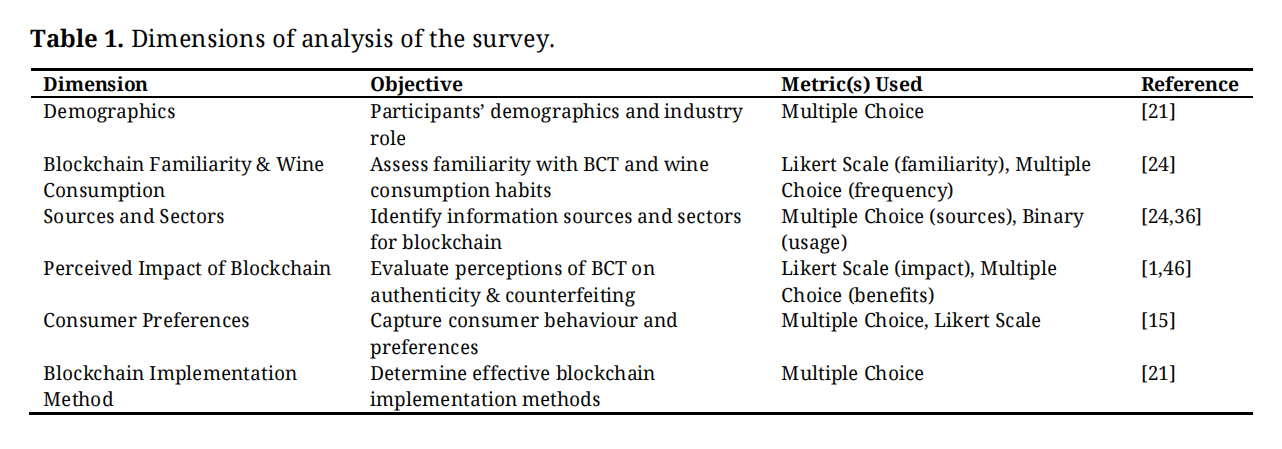 Table 1. Dimensions of analysis of the survey.
Surveys offer an efficient means of gathering data quickly, reaching a broad audience, and providing flexibility and convenience to respondents [47]. However, most survey respondents were consumers. To ensure comprehensive representation of all roles, the survey was complemented by interviews (Appendix Table A2).
These interviews featured open-ended questions in Portuguese, tailored to the nationality of the participants, and were designed to be concise while capturing detailed insights from various stakeholders in the wine industry. The interview participants included a wine producer, a wine oenologist, a distributor, and a consumer [21]. Additionally, an interview with a blockchain expert was conducted to gain deeper insights into how emerging technologies can impact industry stakeholders. This approach provided valuable context for integrating technological advancements and enriching the overall analysis. Given this limitation, future data collection efforts will aim to engage a more diverse group of participants, including underrepresented stakeholders, to ensure a more balanced representation of the wine supply chain. Specifically, efforts will be made to recruit more producers, distributors, and certification bodies to provide a fuller picture of blockchain adoption across the industry. This approach will help address the current sample imbalance and allow for more comprehensive conclusions regarding blockchain’s impact across all sectors of the wine industry. The Table 2 summarizes the key dimensions and objectives of the interviews.
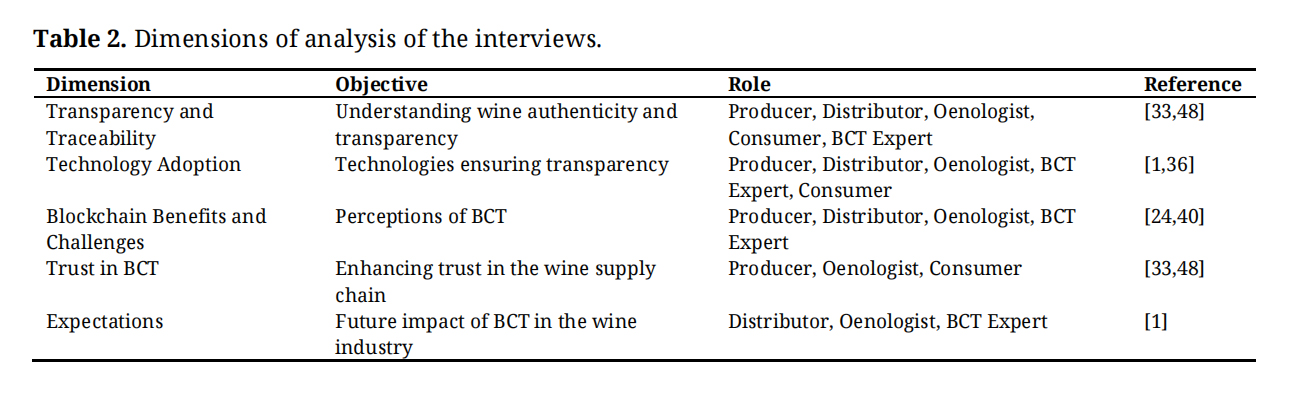 Table 2. Dimensions of analysis of the interviews.
The final version of the survey, made publicly available, received a total of 190 responses. After filtering incomplete responses and excluding individuals who did not purchase wine, a total of 168 valid responses were retained. Interestingly, three responses were from individuals who did not consume wine but had purchased bottles.
Of the valid responses, 89 (53%) were female and 79 (47%) were male. Most respondents (58.9%) were aged between 18 and 30, followed by those aged 31 to 40 (14.9%). The largest proportion of responses came from Madeira Island (56%), with Lisbon contributing 19%. The Table 3 provides a detailed breakdown.
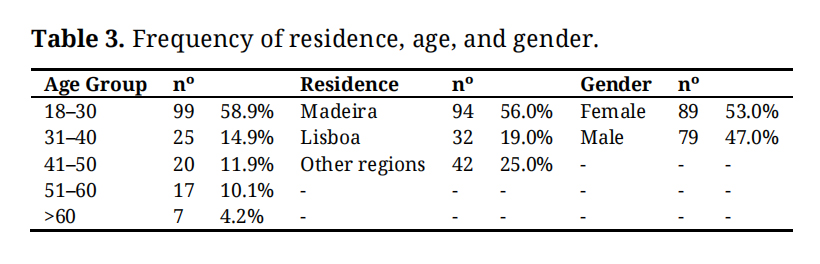 Table 3. Frequency of residence, age, and gender.
Regarding stakeholder profiles. the vast majority (89.3%) of respondents were consumers, followed by producers (5.4%) and distributors (3.6%) (Table 4).
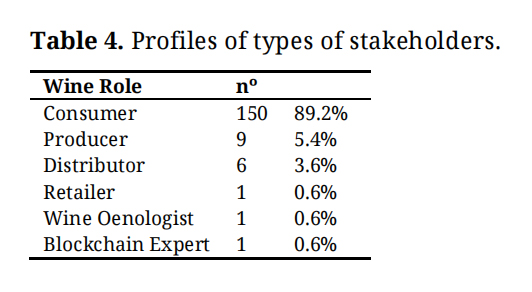 Table 4. Profiles of types of stakeholders.
Consumer Behaviour: A descriptive analysis of consumer behaviour towards wine reveals that individuals tend to buy (Q6|39.3%) and consume (Q5|39.9%) wine on an occasional basis (Table 5).
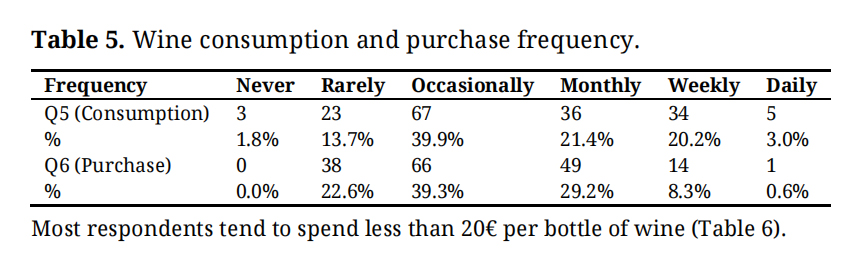 Table 5. Wine consumption and purchase frequency.
Most respondents tend to spend less than 20€ per bottle of wine (Table 6). Table 7 asked respondents to rank wine attributes from 1 (most important) to 10 (least important). While the results are dispersed due to the ranking format, certain patterns emerge. Taste consistently appeared among the top three choices (with 44 responses ranking it 1st, 2nd, or 3rd), making it the most prioritized factor overall. Price, grape variety, and wine region followed closely in frequency within the top five rankings.
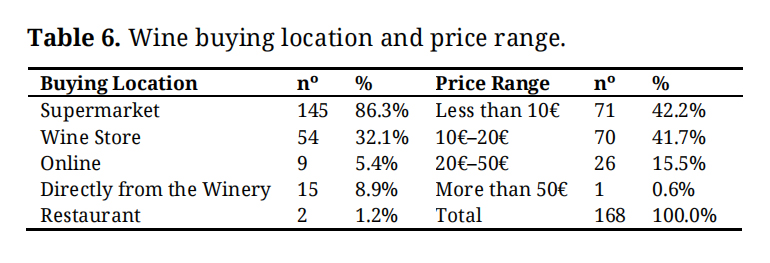 Table 6. Wine buying location and price range.
While factors like authenticity and sustainability were included, most participants did not rank them as top priorities when selecting wine. Authenticity received a varied distribution of rankings, suggesting that while it is relevant for some consumers, it may not be the primary purchase driver across the broader sample. This nuance is important: although consumers associate blockchain with benefits like traceability (as reflected in later survey questions), these are not necessarily the leading factors in their immediate wine selection decisions.
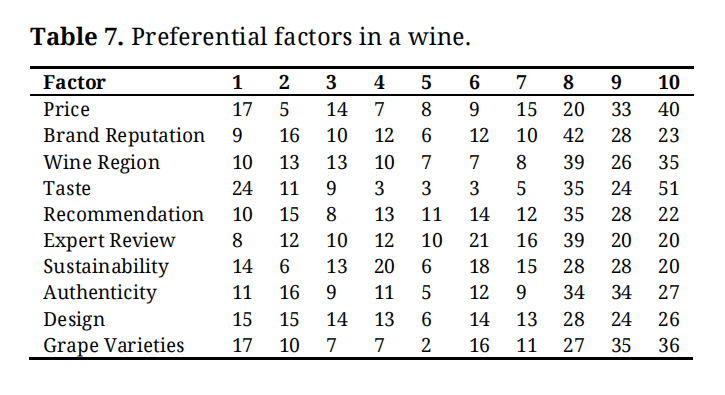 Table 7. Preferential factors in a wine.
These insights provide a comprehensive understanding of consumer behaviour, highlighting the importance of authenticity and traceability in influencing wine purchasing decisions.
Blockchain Familiarity: In terms of blockchain familiarity, most respondents in this study ranged from being largely unfamiliar (54.8%) to moderately familiar (17.9%), with approximately 13 individuals demonstrating a deeper understanding of BCT (Table 8). This trend can be attributed to the fact that blockchain has only gained significant popularity in recent years [40].
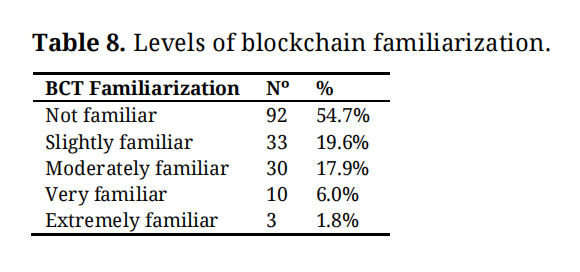 Table 8. Levels of blockchain familiarization.
Among those familiar with blockchain, the majority reported learning about it through social media (33.9%), friends and colleagues (29.2%), the academic environment (25%), and news articles (24.4%) (Table 9).
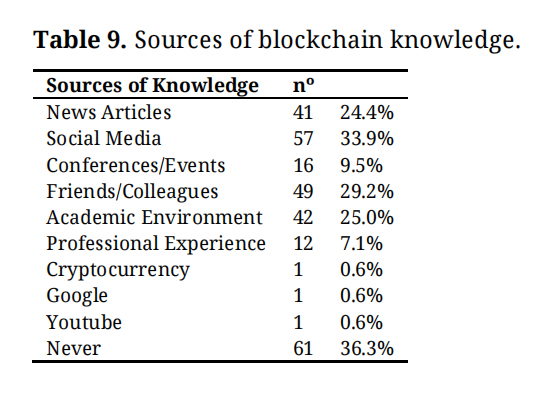 Table 9. Sources of blockchain knowledge.
The primary sectors where respondents identified blockchain usage include the financial sector (51.2%), cryptocurrency (40.5%), information security (33.9%), and the supply chain sector (47%). These selections align closely with the key sectors identified in the literature review [36] (Table 10).
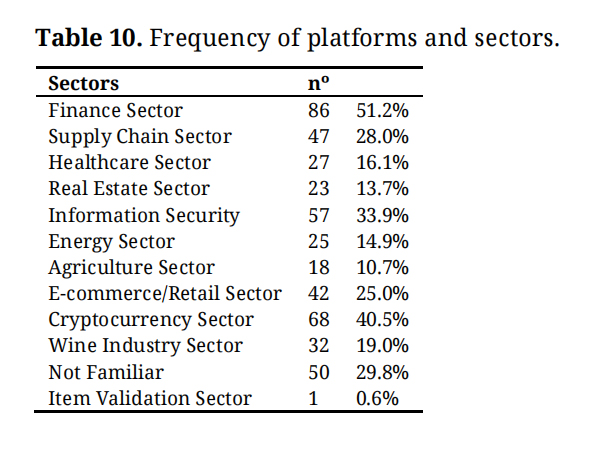 Table 10. Frequency of platforms and sectors.
However, only 19 participants (11.3%) reported having direct experience using BCT (Table 11).
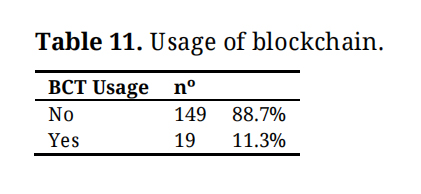 Table 11. Usage of blockchain.
These insights provide a comprehensive understanding of blockchain familiarity and its perceived relevance across various sectors, highlighting the need for increased awareness and education within the wine industry.
An analysis of the survey responses regarding confidence in wine integrity reveals that respondents generally agree on the benefits of traceability (Q11|75.6%), the potential for BCT to reduce counterfeiting (Q12|73.8%), its ability to enhance confidence in the wine journey (Q18|72.0%), and its positive impact on brand reputation (Q19|76.8%) (Table 12).
 Table 12. Level of agreement in Q11, Q12, Q18, and Q19.
Additionally, respondents indicated the importance of trusting a wine that verifies its authenticity through a trusted system, with 41.7% considering it “quite important.” (Table 13).
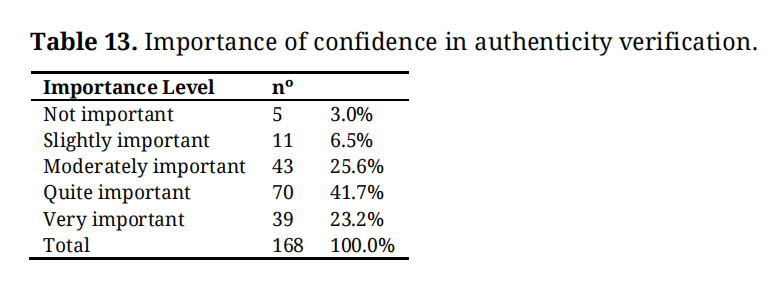 Table 13. Importance of confidence in authenticity verification.
Regarding blockchain benefits, respondents identified increased consumer trust (67.9%), enhanced traceability (43.8%), and reduced counterfeit (43.2%) as the most significant advantages (Table 14).
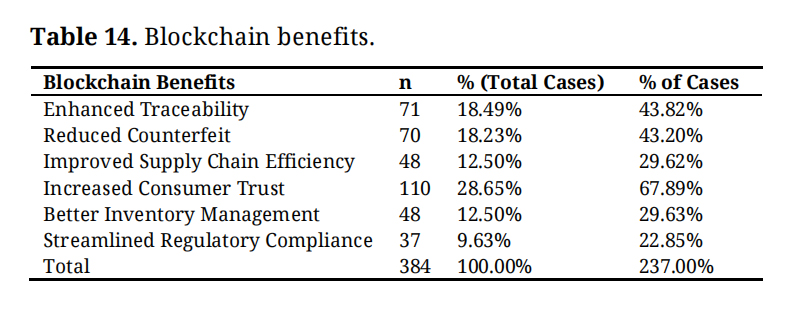 Table 14. Blockchain benefits.
The preferred method for implementing BCT is through QR Codes (67.3%), followed by mobile apps with blockchain verification (13.7%).
Exploratory Factor Analysis (EFA)To better understand the underlying dimensions that explain the relationships between various variables, an EFA was conducted [49]. The data was entered into SPSS, resulting in a dataset comprising 168 cases and 58 variables. Each possible response in multiple-choice questions was transformed into individual columns with binary values (1—selected, 0—not selected).
Given that many variables in this study were binary (e.g., yes/no, multiple-choice selections), we initially considered the limitations of applying Principal Component Analysis (PCA) to such data. PCA assumes continuous data and may not fully capture the relationships between binary variables. As a result, we opted to compute a tetrachoric correlation matrix to better account for the dichotomous nature of the variables, which is more appropriate for analyzing binary data. The tetrachoric correlation provides a more accurate measure of association between binary variables and is commonly used in factor analysis of dichotomous variables.
For factor extraction, PCA was initially considered, but we acknowledge that PCA may have limitations when applied to binary data, potentially distorting factor loadings. Given the binary nature of the data, we relied on the tetrachoric correlation matrix for a more appropriate factor analysis. The PCA approach, however, was still applied for factor extraction, with the goal of identifying the underlying structure in the dataset.
In line with standard practice, we retained the single factor in the analysis, based on Kaiser’s rule, which suggests retaining factors with eigenvalues greater than 1. This decision was further supported by the fact that the first component accounted for 55.86% of the variance, indicating that it explained most of the underlying structure in the data. However, we acknowledge that parallel analysis might provide a more robust method for determining the number of factors to retain, and we suggest that future studies consider this approach for a more nuanced analysis.
The factor loadings and communalities for the retained factor are reported in the results. These measures provide insights into how well each variable contributes to the factor and the overall variance explained by the factor. Specifically, traceability (Q11) and brand reputation (Q19) had high factor loadings, indicating their strong contribution to the construct.
As no rotation was applied (since only a single factor was retained), the analysis was straightforward. Rotations, such as Varimax or Oblimin, would have been used if multiple factors had been retained to improve the interpretability of the factors.
Finally, a scree plot showing the eigenvalues of all extracted components is included in the appendix to support the decision to retain a single factor. This plot visually demonstrates the dominance of the first factor and helps justify the decision to retain it as the primary construct.
To determine the suitability of the data for factor analysis, the Kaiser-Meyer-Olkin (KMO) test and Bartlett’s sphericity test were performed. The KMO test measures the proportion of variance among variables that might be common variance, with values ranging from 0 to 1. A higher value indicates greater adequacy for factor analysis [50]. In this study, the KMO value was 0.758, indicating a “middling” level of sampling adequacy [51]. Bartlett’s sphericity test assesses whether the correlation matrix is suitable for factor analysis by evaluating the relationships between variables. A statistically significant result (p < 0.05) indicates sufficient correlations to proceed with the analysis [50]. In this study, the test yielded a value of p < 0.001, confirming the appropriateness of factor analysis (Table 15).
 Table 15. KMO and bartlett’s test results.
Additionally, the total variance explained should exceed 50% for a component to be deemed acceptable [53]. The first component accounted for 55.86% of the variance, indicating a strong explanatory factor. Consequently, a single component was established through this analysis. The total variance explained by the extracted components is shown in the Table 16. According to Kaiser’s criterion, only components with eigenvalues greater than 1 were retained. The first component explained 55.86% of the total variance, making it the most significant factor.
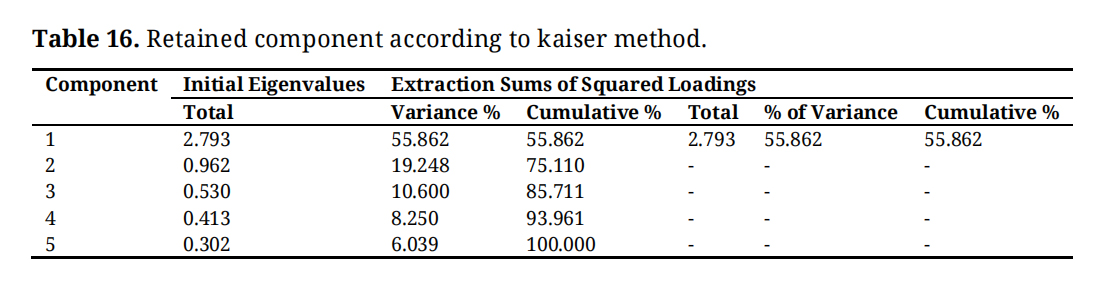 Table 16. Retained component according to kaiser method.
The communalities table shows that the variables most explained by this factor are those identifying blockchain traceability as an advantage for the wine industry. Specifically, “traceability as a benefit” (Q11) has a communality value of 0.675, and “confidence in brand reputation” (Q19) has a value of 0.681. These factors also exhibit high correlations with the extracted component, with Q11 showing a correlation of 0.822 and Q19 a correlation of 0.825. A Cronbach’s Alpha value above 0.7 is considered acceptable for reliability [54].
In this study, the Cronbach’s Alpha value of 0.789 indicates solid internal consistency and reliability of the construct. The Table 17 presents the four components assembled by this construct, highlighting their relevance to blockchain’s ability to enhance confidence in the wine industry by reducing counterfeiting and improving transparency [40].
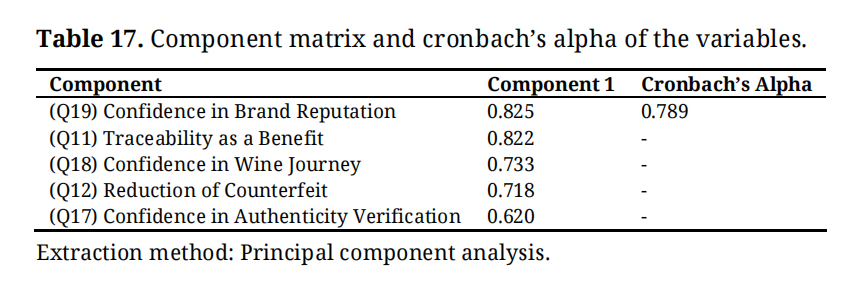 Table 17. Component matrix and cronbach’s alpha of the variables.
The analysis of the data allows us to title this construct as “Confidence of Blockchain in Wine Integrity,” which accounts for 55.86% of the variance within the dataset. As highlighted in the literature review, stakeholders’ perceptions are influenced by the implementation of technologies that convey trust [55]. This construct aids in understanding how stakeholders perceive BCT and its implementation within the wine industry, providing insights into their potential future reactions. Having a single construct offers a clearer perspective on the aspects that are most important to the stakeholders involved. This simplification enhances research efficiency, not only within the wine industry but also across other sectors, facilitating a more streamlined approach to studying technological adoption and its impact [56].
Effect of Other Factors on Confidence of Blockchain in Wine IntegrityIn this study, comparisons between variables were conducted using t-student, ANOVA, and Spearman tests. These statistical tests helped identify which variables significantly impact confidence in blockchain’s role in promoting wine integrity. The variables that showed statistically significant results included age group and the perceived benefits of BCT in the industry. However, factors such as blockchain familiarity (H2) and wine consumption habits (H5), which encompass the wine characteristics valued most by consumers, demonstrated low correlation values with the construct. The significance values of these variables can be found in Appendices Tables A4 and A5.
Inferential Tests & Small Groups
Given the small sample sizes for certain subgroups (e.g., distributors and producers), we reassessed the use of t-tests and ANOVAs, which may not be reliable when the sample size is small. Instead, we opted to present descriptive statistics for these subgroups, as these provide valuable insight without making inferences based on small, potentially biased samples.
For comparisons between small groups, we applied Fisher’s Exact Test, which is more appropriate for categorical data with small sample sizes. This test is commonly used when expected cell counts are low and ensures that the results are valid, even when the sample size is small. In addition to exact tests, we used nonparametric tests (e.g., Mann-Whitney U), which do not assume normal distribution and are suitable for small or skewed data.
Effect sizes were calculated to provide a measure of the magnitude of the differences between groups. Specifically, Cohen’s d was used for continuous variables to quantify the difference between two groups, while η² (eta-squared) was used to measure the proportion of variance explained by the group differences. These effect sizes are reported alongside the statistical significance tests to offer a more comprehensive view of the results. Additionally, 95% confidence intervals (CIs) for the effect sizes were included to give an estimate of the precision of the differences observed.
To explore the relationships between variables more comprehensively, we conducted regression analysis to predict the “confidence” construct in blockchain adoption. The regression model controlled for potential confounding variables, including age, gender, and familiarity with blockchain. This approach allows for adjusted estimates of the impact of these variables on confidence in BCT, reducing the risks of multiple testing and providing more accurate predictions.
Effect of the Stakeholder Role (H3)
To examine the effect of stakeholder roles in the wine industry (H3), the student’s t-test was employed. This statistical technique is suitable for comparing means between two groups without requiring multiple comparisons. The t-test is used to determine whether the mean difference between two groups is statistically significant [57]. In this context, an independent sample t-test was applied, using “Confidence in Blockchain in Wine Integrity” as the test variable and stakeholder roles categorized as binary variables: “yes” if the respondent holds a specific role within the industry and “no” otherwise [57]. A variable is considered to have significant differences if the p-value is less than 0.05. An analysis of the results indicated that no specific role significantly affects the confidence in blockchain’s impact on wine integrity (Table 18). This lack of significance may be attributed to the complexity of BCT, which requires a certain level of knowledge to fully comprehend [40]. Additionally, since 54.8% of respondents reported unfamiliarity with blockchain, it suggests that a broader representation of stakeholders is necessary to gain more accurate insights into blockchain knowledge within the wine industry.
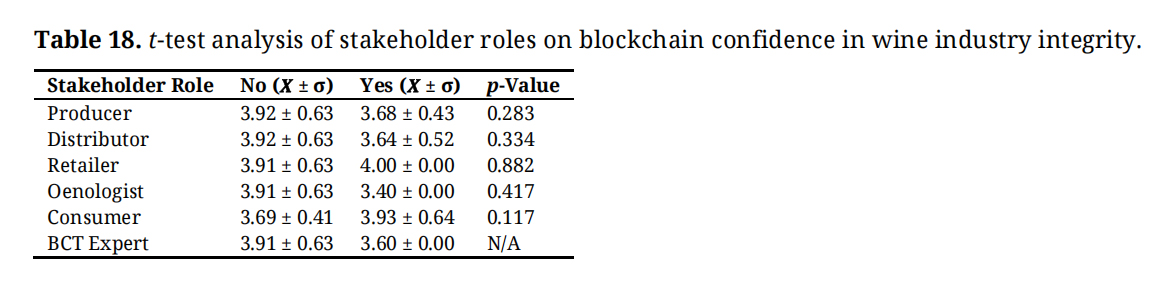 Table 18. t-test analysis of stakeholder roles on blockchain confidence in wine industry integrity.
These results indicate that stakeholder roles do not significantly influence confidence levels in blockchain implementation within the wine industry, highlighting the need for further educational initiatives and diversified stakeholder participation to enhance blockchain adoption and understanding.
Effect of Age Group (H4)
To analyse the impact of age on overall confidence in the use of BCT within the wine industry, an ANOVA test was performed (Table 19). This test is appropriate because the age groups were divided into distinct ranges. The ANOVA test compares the means of three or more groups to determine if there are significant differences. To identify which specific group differences are significant, a post hoc test is conducted [57], in this case, the LSD test was used. Upon reviewing the results, two distinct categories emerge among the age groups. One category shows a statistically significant difference in opinions, specifically the group aged 18 to 30 years old (58.9%), who tend to give less importance to blockchain in the wine industry. This group’s opinions may be influenced by the fact that 45.5% of respondents in this age group were unfamiliar with BCT. This lack of knowledge likely led them to select a neutral response, bringing the average closer to the middle [41]. The second category includes age groups starting from 31 years and older, where no significant differences were observed between groups. Generally, these older age groups demonstrated a stronger tendency to value blockchain’s potential for improving the wine industry’s integrity.
 Table 19. ANOVA analysis of different age groups on blockchain confidence in wine industry integrity.
Effect of Gender on Confidence in Blockchain
To address the potential influence of gender on perceptions of blockchain in the wine industry, an independent sample t-test was conducted comparing male and female respondents. The results revealed no statistically significant difference in the confidence levels attributed to BCT between genders (p > 0.05). This suggests that gender, in this sample, does not play a decisive role in shaping attitudes toward blockchain’s trust-enhancing potential. Nonetheless, this analysis contributes to a more comprehensive interpretation of the dataset and supports the inclusion of demographic variables in perception-based studies.
Effect of Perceived Blockchain Benefits (H1)
The literature review identified key benefits of blockchain for the wine industry, which balances the preservation of tradition with the introduction of more secure and efficient solutions [58]. By examining the p-values of various perceived benefits (Table 20), two factors—reduction of counterfeiting (p = 0.008) and increased consumer trust (p < 0.001)—show statistically significant differences (p < 0.05). These benefits are crucial for stakeholders in the wine industry, as trust is a composite of several factors, affecting both wine professionals and consumers alike [48]. This emphasis on counterfeiting reduction and increased trust can be explained by the profile of survey respondents, many of whom are consumers. Benefits related to more technical aspects, such as improved supply chain efficiency [34], better inventory management [59], and streamlined regulation [34], were less frequently selected by the overall sample. This likely reflects the lower level of technical knowledge about wine production and supply chains. Although not statistically significant, enhanced traceability may still play a role in reducing counterfeiting [32] and increasing consumer trust [48].
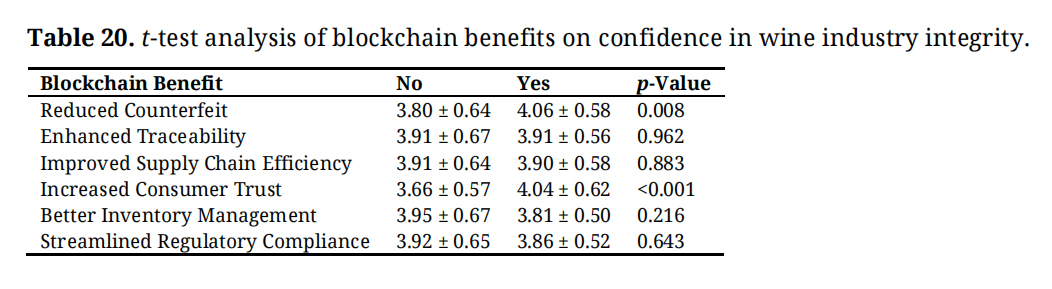 Table 20. t-test analysis of blockchain benefits on confidence in wine industry integrity.
The hypothesis testing results revealed that:
●
●
●
●
●
Multiple Testing & Reporting
As multiple comparisons were conducted, no adjustments were made for multiple testing. Analyses involving key variables, such as age and blockchain familiarity, were considered exploratory. These analyses were conducted to generate insights and hypotheses for future research rather than to confirm predefined theories or relationships. Exploratory analyses are valuable for identifying patterns and trends in the data, but the results should be interpreted with caution, as they may not hold under more stringent statistical corrections. In contrast, confirmatory analyses, such as tests for the effect of perceived benefits and stakeholder roles, were performed with the goal of testing specific hypotheses based on existing literature.
Uncertainty & Robustness
For main estimates, 95% CIs were reported to provide a range within which the true population parameter is likely to fall. This was applied to key estimates, such as proportions, means, and effect sizes, offering greater insight into the precision of our findings. Internal consistency of measurement scales was also evaluated using bootstrap methods to assess Cronbach’s alpha, ensuring the reliability of the instruments used in the study.
Missing data were handled through listwise deletion, ensuring that only complete cases were used in the analyses. This approach was chosen to avoid biases that could arise from imputation methods. Sensitivity checks indicated that no significant bias was introduced due to missing data, confirming that the results remained robust despite the small number of missing responses.
Qualitative Analysis—InterviewAs previously mentioned, MaxQDA was utilized to analyse the interview data. The analysis began with insights from the literature review, which guided the development of 7 main codes that aligned with the themes emerging from the interviews. Each main code contained various subcodes, which were identified through a detailed reading of the interviews. The subcodes were created “in vivo,” as this method captures the essence of specific segments [60]. The interviews were thoroughly analysed and re-examined until a comprehensive coding system was established, accurately reflecting the key values and insights from the responses. During this iterative process, similar and redundant categories were eliminated to enhance the clarity and focus of the analysis. After this refinement, 88 subcodes were identified across the 7 main codes. To begin the analysis, the four interviews were uploaded into the document tab, resulting in data from five stakeholder profiles, despite there being only four interviews. This discrepancy occurred because the wine oenologist profile was included as it closely collaborates with the wine production phases, giving insights into the various stages and software used in wine production. The interviews had a largely consistent set of questions, which allowed for a comparative analysis across respondents. However, some questions were specific to certain stakeholders, as shown in Appendix Table A2. Common themes emerged across the interviews, as they shared a similar script with slight variations in specific questions. To provide a clearer view of these recurring themes, a word cloud was created, offering a quick visual representation of the key topics discussed in the interviews [61] (Figure 1). These included common sentence connectors (e.g., “such,” “also,” “if”) and generic words without significant value to the interpretation (e.g., “wine”). Upon reviewing the word cloud, the most prominent themes that emerged were: Blockchain (40 mentions); Technology (20 mentions); Origin (11 mentions); Trust (10 mentions) and Transparency (8 mentions). These key terms reflect the core topics discussed across the interviews, highlighting the importance of BCT, its application in the wine industry, and the themes of trust and transparency that are central to its adoption and use.
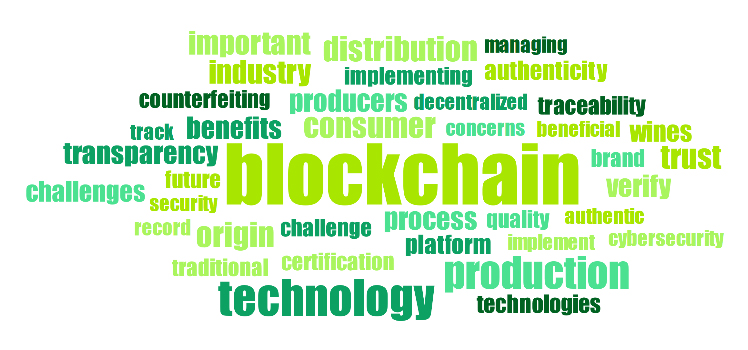 Figure 1. Interviews word cloud.
A code matrix provides an additional layer of clarity and depth to the visual interpretation and analysis of the interview data (Figure 2). This matrix allows for a more structured view of which codes were assigned to each interview, along with the frequency of their occurrence [61]. In terms of recurring themes, several key topics related to the benefits of blockchain were frequently discussed in the interviews. Notably, the themes of Traceability and Transparency were mentioned 17 times, while Trust and Authenticity appeared 13 times. These results highlight that interviewees consistently emphasized the importance of these blockchain benefits as they relate to the wine industry, underscoring the role of blockchain in ensuring the authenticity, transparency, and traceability of wine products. This code matrix can be useful in further breaking down these core themes and understanding how different stakeholders perceive and prioritize these blockchain benefits in their respective contexts.
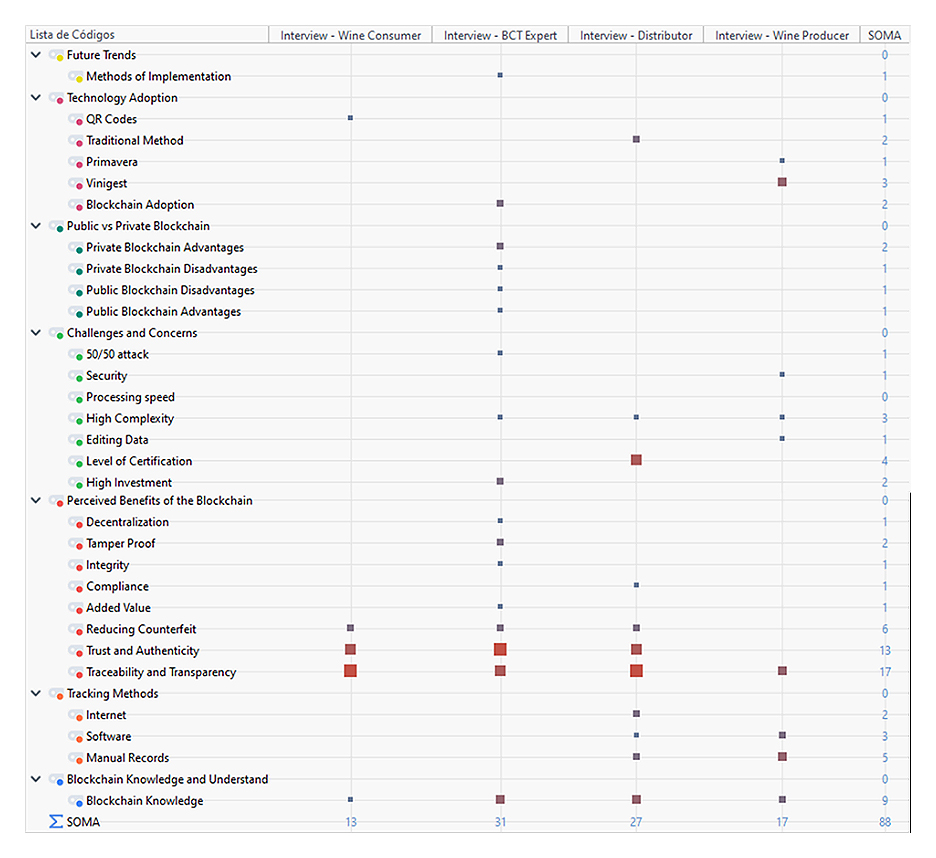 Figure 2. Code matrix of the interviews.
Since its introduction, BCT has often been associated with cryptocurrencies, leading many to overlook its potential applications beyond digital currencies. Blockchain’s ability to process transactions automatically positions it as a versatile tool in various industries [31]. In the interviews, varying levels of blockchain familiarity were evident. The consumer (I1) demonstrated the least familiarity with blockchain, stating simply, “No, I didn’t know about Blockchain.” In contrast, the distributor showed a more moderate level of familiarity. While their knowledge was limited, they were aware of the benefits blockchain could offer within their professional role in the wine industry. The wine producer was somewhat familiar with blockchain but did not directly address the question. Instead, she discussed how a technology like blockchain could simplify certain company processes, particularly in terms of traceability. As one of the region’s largest producers, she noted, “Our company is one of the largest in the region… traceability is also important for process validation, production flowcharts, and ensuring the production of a quality product.”
The BCT expert (I2) naturally displayed the highest level of knowledge, explaining that they had “conducted extensive research on Blockchain.”
Aside from the consumer and the BCT expert, who represent the two extremes of the blockchain familiarity spectrum, the remaining interviewees displayed similar levels of understanding. This suggests that familiarity with blockchain is not necessarily influenced by one’s position within the company (H3) but is more of an individual characteristic [62], which aligns with findings from the previous quantitative analysis.
Perceived Blockchain Benefits and Challenges (H1)To better understand the perceived benefits and challenges of blockchain, the interviewees—except for the BCT expert (I2)—were provided with a brief explanation of blockchain, comparing it to a notepad for simplicity. Based on their level of familiarity with the technology, they were asked about the potential benefits and challenges of blockchain for their role in the wine industry. The responses varied depending on their technical knowledge of the technology. The wine producer (I4), with a relatively technical understanding of the industry, emphasized the importance of using blockchain to “record everything from the grape’s arrival to bottling and its components,” highlighting how it could improve traceability and authenticity within wine production. The consumer (I1), however, offered a non-technical perspective, noting that a company capable of tracking each detail in the wine supply chain would enhance trustworthiness due to increased transparency. The distributor (I3) expressed enthusiasm about the potential benefits of blockchain for their role, particularly in ensuring the authenticity of the wine they distributed. Blockchain, in this case, was seen as a valuable tool for confirming the legitimacy of the products. The BCT expert (I2), naturally, had a more technical viewpoint. While they also identified benefits such as traceability, transparency, reducing counterfeit goods, and increasing consumer trust, they added another layer of security provided by blockchain. The technology’s tamper-proof nature would create a more secure environment for both producers and consumers, further enhancing the overall integrity of the supply chain. Across all interviewees, traceability and authenticity were highlighted as key benefits, aligning with the literature, which suggests that blockchain’s most significant impact is in consumer trust [63]. These benefits are crucial elements of BCT and are integral to its application in industries like wine [40]. Regarding challenges, the wine producer (I4) mentioned the high complexity of blockchain, suggesting that it needs to become “easier to handle.” They also noted that while blockchain’s immutability is a benefit, it can be a challenge when errors need to be detected and corrected. The distributor (I3) pointed out that, while they personally saw no challenges, wine producers and estates might struggle with meeting the quality standards required by blockchain.
The BCT expert (I2), with a deeper understanding of blockchain, acknowledged the high complexity and potential for a 50/50 attack, as noted by Yaga, Mell, Roby, & Scarfone [24]. Additionally, the expert raised concerns about the cost of implementation, especially for small to medium-sized producers, stating, “For small to medium-sized producers, its implementation cost and security risks are not justifiable.”
Overall, benefits and challenges were perceived similarly across stakeholders, reflecting the findings from the survey, where interviewees exhibited similar levels of familiarity with the technology. The challenges identified by interviewees align with issues discussed in the literature, particularly those related to blockchain’s complexity, security risks, and implementation costs, especially for smaller companies.
Current Ways of Protecting WineUnderstanding how wine companies currently protect and manage their products is essential to contextualizing the potential impact of BCT.
The wine producer (I4), working in a well-established and prominent company in the market, explained that their processes are highly structured. They use two key software systems: Vinigest (UniCódigo—Engenharia e Tecnologias de Informação, Lda., Lisbon, Portugal) and Primavera (Version V10, Cegid Business Software Solutions, S.A., Lyon, France). Vinigest is a specialized software that manages the entire wine production process, recording every stage from grape reception to bottling. It also allows for detailed tracking of production-related activities, including results from various analyses. In addition to Vinigest, the producer also relies on Primavera, an ERP system that helps manage the company’s stocks, including raw materials, packaging, and the finished products. This system ensures the smooth functioning of production and inventory management within the company. In contrast, the distributor (I3), having founded a relatively small company only three years ago, has not yet developed the same level of sophistication in its processes. According to the distributor, their business operates “purely on a trust basis,” with less formalized systems in place. The company still relies on traditional methods for recording information and occasionally uses the internet to check wine reviews. This highlights the difference in the adoption of technology between a large, established company and a smaller, newer business. The BCT expert (I2) pointed out the stark contrast between these two business models, emphasizing that the level of investment available for technology adoption, such as blockchain, can significantly impact a company’s ability to implement advanced solutions. A private, centralized blockchain, for example, would require considerable investment, which may be a challenge for smaller companies with fewer resources.
This comparison between the well-established wine producer and the smaller distributor illustrates how different company sizes and resources shape their approach to technology adoption and the protection of wine products. Blockchain could provide a solution that bridges the gap, offering both transparency and security across different company profiles.
Methods of Implementing Blockchain in the Wine IndustryTo explore the most effective ways of implementing BCT in the wine industry, stakeholders were asked about the best solutions for both consumers and industry professionals. The consumer (I1) suggested that a practical solution, such as a QR code, would be ideal. This solution would not require any special features and would allow consumers to easily access wine details, enhancing their experience and trust in the product. The use of QR codes has been cited in previous literature as an accessible method to connect consumers with detailed product information [44]. In contrast, the BCT expert (I2) proposed that a decentralized platform, such as a public blockchain, would be more suitable for the wine industry. They argued that a public blockchain would require a lower investment for implementation and would offer greater security and transparency. The expert also pointed out that relying on a centralized system could undermine the integrity of the blockchain, as it could be “easily manipulated depending on bias and other factors.”
The remaining interviewees, while acknowledging the potential of blockchain, were unable to specify a particular implementation solution. However, they all emphasized the importance of making the blockchain system “faster and easier to handle” (I4) than current systems, which are often complex and challenging to use.
In general, the interviewees—except for the BCT expert—lacked the knowledge to suggest specific blockchain solutions, but their responses highlighted a shared desire for a user-friendly and accessible system that could simplify processes and enhance transparency. These insights point to the need for solutions that balance technical robustness with ease of use for both industry professionals and consumers.
Although this study is perception-based, it is essential to acknowledge real-world challenges associated with implementing BCT in the wine industry. Projects like TagItWine, which uses blockchain to authenticate high-value wines via NFC-enabled smart tags, demonstrate how traceability can be achieved in practice. However, such systems require alignment with certification protocols, regulatory bodies, and reliable logistics integration, which may vary by region and producer scale. Furthermore, operational costs—including technology acquisition, staff training, and digital infrastructure—can present significant barriers, especially for small and mid-sized wineries. As noted by Cuel, R., & Cangelosi, G. [64], the adoption of blockchain in agri-food supply chains depends not only on technological viability but also on institutional trust, stakeholder cooperation, and legal compliance. These factors highlight the need for multi-stakeholder coordination and cost-benefit evaluations prior to implementation. While consumers may express strong interest in transparency, the backend execution of blockchain solutions demands more than perceived value—it requires sustained commitment, interoperability, and financial feasibility.
Practical Roadmap for Blockchain AdoptionWhile consumer trust and transparency are important drivers of blockchain adoption, real-world implementation also requires a clear roadmap that addresses the wine industry’s practical constraints. Based on the insights gathered in this study, the following actions are recommended:
Phased Adoption
Start with pilot projects targeting premium wines or export markets where authenticity is a critical concern. Once proven, these systems can be scaled to other product lines and markets.
Collaborative Models
Encourage wine cooperatives, PDO groups, and regional wine associations to jointly implement blockchain platforms, reducing the costs and complexity for individual producers.
Consumer-Friendly Tools
Implement QR codes or NFC tags that allow consumers to verify a wine’s authenticity using their smartphones. Ensure these tools are intuitive and highlight key transparency metrics (e.g., vineyard origin, vintage, certifications).
Integration with Existing Systems
Adopt blockchain solutions that integrate seamlessly with widely used winery management software (e.g., Vinigest, Primavera). This minimizes disruption and ensures traceability data flows across the supply chain.
Regulatory Engagement
Collaborate with regulatory bodies, such as the Instituto da Vinha e do Vinho, to ensure blockchain traceability complies with existing legal frameworks and certification processes.
Cost Optimization for SMEs
Explore public blockchain solutions or sector-specific consortium blockchains to spread infrastructure costs across multiple actors. Additionally, governments or EU digital innovation programs could subsidize implementation for small wineries.
Capacity Building
Invest in blockchain literacy programs for winemakers, distributors, and consumers. Educational workshops and training modules could help stakeholders better understand the technology’s practical applications.
By following this roadmap, the wine industry can move from theoretical interest in blockchain to practical implementation, addressing both consumer trust concerns and operational feasibility.
Broadening the Stakeholder PerspectiveWhile consumers are critical drivers of demand for transparency and authenticity, the successful implementation of blockchain in the wine industry depends on the collective engagement of all supply chain stakeholders. This includes not only producers and distributors but also retailers, logistics providers, certification bodies, and regulators. Each actor interacts with traceability technologies in distinct ways and faces unique challenges in adopting blockchain.
For example, wine producers are directly concerned with protecting their brand integrity and complying with appellation requirements. Distributors and retailers, on the other hand, may focus more on inventory management efficiencies and fraud prevention in downstream markets. Regulatory agencies and certification bodies play a crucial role in validating the authenticity of claims recorded on the blockchain and ensuring alignment with PDO and other quality certifications.
Current findings reveal that most industry stakeholders still lack familiarity with blockchain’s practical applications. This knowledge gap limits their ability to assess its operational feasibility and financial implications. Broader stakeholder involvement in blockchain discussions will help clarify how the technology integrates with existing compliance frameworks, production processes, and logistics networks.
Future blockchain adoption initiatives should therefore prioritize multi-stakeholder dialogues, collaborative pilot projects, and shared traceability frameworks that reflect the diverse interests and capacities of the wine supply chain. By involving these actors early in the design process, the industry can avoid fragmented solutions and instead create interoperable systems that foster trust and transparency for all participants.
Adoption Barriers and Industry-Specific ChallengesAlthough blockchain offers promising solutions for wine traceability, its adoption faces a variety of barriers specific to the wine industry’s operational, financial, and technological context.
Technological Complexity and System Integration
Blockchain platforms are often complex to implement, particularly for small and medium-sized wineries that lack dedicated IT teams. Integration with existing winery management systems, such as Vinigest and Primavera, poses an additional challenge. Without seamless interoperability, blockchain risks becoming an isolated tool rather than enhancing end-to-end traceability.
Financial and Resource Constraints
Many wine producers operate on narrow profit margins, making it difficult to justify investments in emerging technologies. The upfront costs of blockchain adoption—including platform licensing, technical development, staff training, and equipment (e.g., smart tags, QR codes)—can be prohibitive. Without clear financial incentives or consumer willingness to pay a premium for authenticated wines, adoption remains limited, especially among smaller producers.
Regulatory and Legal Ambiguities
The regulatory framework governing blockchain traceability in food and beverage sectors remains fragmented. Compliance with PDO/PGI certifications, wine sector regulations, and data protection laws (e.g., GDPR) adds complexity. Furthermore, the legal recognition of blockchain records in quality assurance and fraud prevention cases is still evolving, creating uncertainty for risk-averse producers and distributors.
Scalability and Environmental Concerns
Blockchain’s scalability and energy consumption are important considerations. While public blockchains may offer greater transparency, they often require more energy, raising sustainability concerns. More energy-efficient consensus models, such as PoS, may better align with the wine industry’s increasing focus on environmental sustainability.
Stakeholder Coordination Challenges
Blockchain systems require broad participation across the supply chain to maximize their transparency benefits. However, competitive dynamics, technological disparities, and varying levels of trust between producers, distributors, and retailers may hinder the creation of shared, interoperable blockchain networks.
Limited Blockchain Literacy
A significant barrier remains the lack of blockchain knowledge among wine professionals. As revealed in this study, many stakeholders are unfamiliar with the technology beyond its association with cryptocurrencies. Without targeted education and training, adoption is unlikely to gain momentum.
Interpretation of Hypothesis TestingThe hypothesis testing results provide valuable insights into stakeholder perceptions but also reveal several gaps between theoretical expectations and actual findings.
Perceived Benefits Drive Confidence (H1)
As hypothesized, respondents who recognized blockchain’s benefits—specifically in reducing counterfeiting and increasing consumer trust—reported significantly higher confidence in its potential (supporting H1). This finding aligns with existing literature emphasizing that perceived usefulness is a critical factor in technology acceptance [28,40]. However, traceability alone, while frequently cited in the literature, did not emerge as a statistically significant factor in this sample—suggesting that consumers may view traceability as a means to an end (authenticity), rather than as a benefit in itself.
Limited Impact of Familiarity (H2)
Contrary to expectations, familiarity with BCT did not significantly influence confidence levels (partially rejecting H2). This may be due to the limited blockchain literacy in the sample, as over half of respondents reported little to no familiarity with the technology. In this context, perceptions appear to be shaped more by generalized trust in transparency-enhancing technologies than by an in-depth understanding of blockchain’s technical capabilities. This finding underscores the role of perceived benefits over technical knowledge in shaping initial attitudes toward emerging technologies.
Stakeholder Role not a Differentiator (H3)
The role of stakeholders within the wine supply chain did not significantly affect confidence in blockchain (rejecting H3). This suggests that, regardless of their position—whether consumer, producer, or distributor—stakeholders tend to share similar concerns and expectations around wine authenticity. One possible explanation is that many producers and distributors in the sample were also wine consumers, blurring the distinction between professional and personal perceptions. Alternatively, the sample’s small size for non-consumer roles may have limited the ability to detect role-specific differences.
Age-Related Differences (H4)
Supporting H4, age group differences were statistically significant. Older respondents (31+) exhibited greater confidence in blockchain’s value for wine integrity, potentially reflecting their greater purchasing power, exposure to fraud concerns, or greater appreciation of product authenticity. In contrast, younger respondents (18–30) often selected neutral responses, likely due to their lower familiarity with both wine production and BCT.
Limited Influence of Consumption Habits (H5)
Wine consumption habits and product preferences did not significantly influence confidence in blockchain. This suggests that attitudes toward authenticity and traceability are not necessarily shaped by how frequently individuals consume or purchase wine, but by broader trust concerns and the perceived risk of counterfeiting.
ConclusionsThe primary goal of this research was to examine the perception of stakeholders within the wine industry toward blockchain, a decentralized and disruptive technology. The literature review played a crucial role in framing this analysis, providing context and helping to validate the conclusions drawn from the interviews and survey data. This study offers several conceptual contributions to the literature on blockchain adoption in traditional industries. First, it shifts the discussion from technical feasibility and implementation case studies—common themes in blockchain research—toward the perceptions and attitudes of end-users and stakeholders, specifically in the wine industry. By focusing on trust, authenticity, and transparency, it frames blockchain not only as a technological innovation but as a potential enabler of consumer confidence.
Second, the study applies a mixed-methods approach, integrating consumer surveys with qualitative interviews from industry professionals and technology experts. This provides a more holistic understanding of how different actors in the supply chain view blockchain’s role in enhancing wine authenticity and combating counterfeiting.
Third, the results emphasize that while traceability and transparency are recognized benefits, it is the perceived reduction of counterfeit risk and the increase in consumer trust that most strongly influence positive stakeholder perceptions. Interestingly, familiarity with BCT itself had less impact on confidence levels, suggesting that adoption drivers are rooted more in perceived outcomes than in technical understanding.
Together, these contributions help expand the literature on blockchain’s role in heritage-based industries, where safeguarding authenticity and regional reputation are paramount concerns.
More specifically, the study sought to assess the current level of familiarity with BCT, identify which characteristics are perceived as benefits and challenges, and explore how stakeholders envision the technology transforming the industry. By analysing the 168 valid responses from the questionnaire, it became clear that some factors, which might typically be associated with overall trust in blockchain implementation within the wine industry, were not as influential as expected. For instance, the age group (H4) was found to have a significant correlation, with opinions differing between individuals aged 18–30 and those aged 31 and older. This difference in perception can largely be explained by the fact that younger respondents had lower levels of blockchain knowledge, while older respondents tended to place more value on the benefits of the technology. Perceived benefits (H1) also played a significant role in shaping respondents’ confidence in blockchain’s potential to promote wine integrity. Benefits such as “reduced counterfeit” and “increased consumer trust” were strongly correlated with trust in blockchain. Interestingly, factors like BCT familiarity (H2), wine consumption habits (H5), and wine characteristics (H5) did not appear to have a significant impact on the level of trust stakeholders had in blockchain, at least within this sample population. This suggests that when people lack knowledge on a subject, they often respond neutrally, which may explain the mixed results. For example, a person who drinks wine occasionally may still lack confidence in blockchain and fail to identify its potential benefits for the wine supply chain. Conversely, a person unfamiliar with blockchain could still see its value, even without understanding its technicalities.
The role of the stakeholders (H3) within the industry did not directly influence their level of blockchain knowledge or trust either. Rather, it appears that these factors depend more on individual perceptions and awareness. The interviews confirmed many of the findings from the quantitative analysis. They reinforced that knowledge of blockchain is not strictly tied to one’s role in the wine industry (H3), nor is it solely based on that knowledge (H2). Interviewees, despite their varied positions, showed similar levels of blockchain familiarity. They did, however, identify specific characteristics—such as trust, authenticity, transparency, and traceability—that they viewed as key benefits of implementing blockchain in the wine industry (H1). These benefits were echoed in both the survey responses and the literature, emphasizing their importance in the adoption of BCT. Both consumers and professionals within the wine industry recognize the value of traceability, especially from grape to bottle, not only for consumer protection but also for safeguarding the interests of producers and preventing wine counterfeiting.
Additionally, the analysis revealed that most respondents tend to spend under €20 per bottle of wine, which indicates a relatively cost-conscious consumer base. This price sensitivity raises important considerations about the market feasibility of blockchain-verified wines, which may involve additional costs related to implementation, traceability systems, or smart tagging. While consumers expressed a positive perception of blockchain’s benefits—such as improved authenticity and reduced counterfeiting—it remains unclear whether they would be willing to absorb potential price increases associated with these features. Future research could explore cost-benefit analyses or willingness-to-pay models to better understand how pricing dynamics might affect the adoption of blockchain in wine purchasing behavior.
In conclusion, blockchain’s potential to enhance trust, authenticity, and transparency in the wine sector is increasingly recognized. However, its broader adoption remains limited by gaps in understanding and practical implementation challenges. Furthermore, there is still uncertainty surrounding the successful integration of blockchain into existing supply chain processes. This highlights the need for further exploration and education on blockchain’s practical applications in the industry. Moving forward, there is an opportunity to refine this study and develop a more concrete framework for the realistic implementation of BCT within the wine industry.
Limitations and Future ResearchOne key limitation of this study is the composition of the respondent sample, which is heavily weighted toward consumers (150 out of 168 valid responses). Although consumer perceptions provide valuable insights into market expectations, they represent only one part of the wine ecosystem. Producers, distributors, retailers, and regulatory bodies play critical roles in enabling or hindering blockchain adoption. These stakeholders often face operational, financial, and regulatory challenges that consumers do not perceive. Future studies should prioritize obtaining balanced input from these groups to capture a more comprehensive and actionable understanding of the industry’s blockchain readiness. While this provides valuable insight into consumer perceptions of blockchain, it results in an underrepresentation of other critical stakeholders, such as producers, distributors, and regulatory entities. This imbalance may skew the findings toward a trust and transparency narrative, rather than addressing the practical feasibility, operational costs, and integration challenges that industry professionals are more likely to consider.
Future research should aim to engage a more balanced representation of supply chain actors—particularly producers, winemakers, distributors, and certification bodies—to gain a holistic understanding of blockchain’s potential impact across the wine industry. Comparative studies or stakeholder-specific analyses could help differentiate between perceived value and real-world implementation dynamics.
Additionally, many respondents, lacking knowledge of blockchain, often defaulted to neutral answers, which may have distorted the results.
This study largely reflects the views of consumers. It would have been beneficial to include a wider range of companies with varying levels of maturity in their supply chain processes, offering a more diverse perspective on blockchain’s potential impact. Another limitation is the absence of a defined scale for assessing blockchain’s reliability in the context of the wine industry, as well as the lack of understanding of how blockchain could specifically affect businesses. Incorporating insights from regulatory entities, such as ARAE and the Instituto da Vinha e do Vinho, would have added valuable context to the perspectives of industry stakeholders.
Future research could benefit from exploring companies at various stages of business development. Additionally, future work could involve in-depth qualitative studies with regulatory authorities, supply chain logistics providers, and certification bodies to understand how blockchain might integrate into compliance frameworks and traceability standards across the wine industry. By comparing more traditional wine companies with those that have already adopted blockchain or other advanced technologies, researchers could gain a deeper understanding of the differences in their perceptions and readiness for technological integration. A more focused study on individual stakeholders—rather than a generalized approach—could yield richer insights into blockchain’s potential impact on each group. Furthermore, employing different methodologies, such as case studies or longitudinal research, could provide alternative perspectives and findings.
This study also serves as a foundation for understanding blockchain implementation not just in the wine industry but also in other traditional sectors that may lack transparency, trust, and traceability in their processes. While a clear path for blockchain integration is not yet fully defined, there are various possible scenarios for how blockchain applications could coexist with businesses in the years to come.
Appendices & TransparencyAppendices Tables A2, A4 and A5 have been provided and referenced in the text. These appendices contain important additional information, such as detailed test results, additional statistical tables, and further analysis that support the findings discussed in the main document.
Additionally, the full survey instrument used for data collection is included in Appendix Table A1. This survey instrument outlines all the questions posed to participants, ensuring transparency in the data collection process and providing clarity on the measures used to assess various constructs within the study.
All data generated from the study are available in the manuscript.
Conceptualization: JC; methodology: JC; software: JC; validation: RG, JG, MR; formal analysis, JC and RG; investigation, JC; resources, RG, JG, MR; data curation, RG, JG, MR; writing—original draft preparation, JC; writing—review and editing, JC, RG, JG, MR; visualization, JC; supervision RG; project administration, RG, JG, MR; funding acquisition, RG, JG, MR. All authors have read and agreed to the published version of the manuscript.
The authors declare that they have no conflicts of interest.
The authors gratefully acknowledge financial support from FCT- Fundação para a Ciência e Tecnologia (Portugal) national funding through research grant UID/06522/2025.
Not applicable.
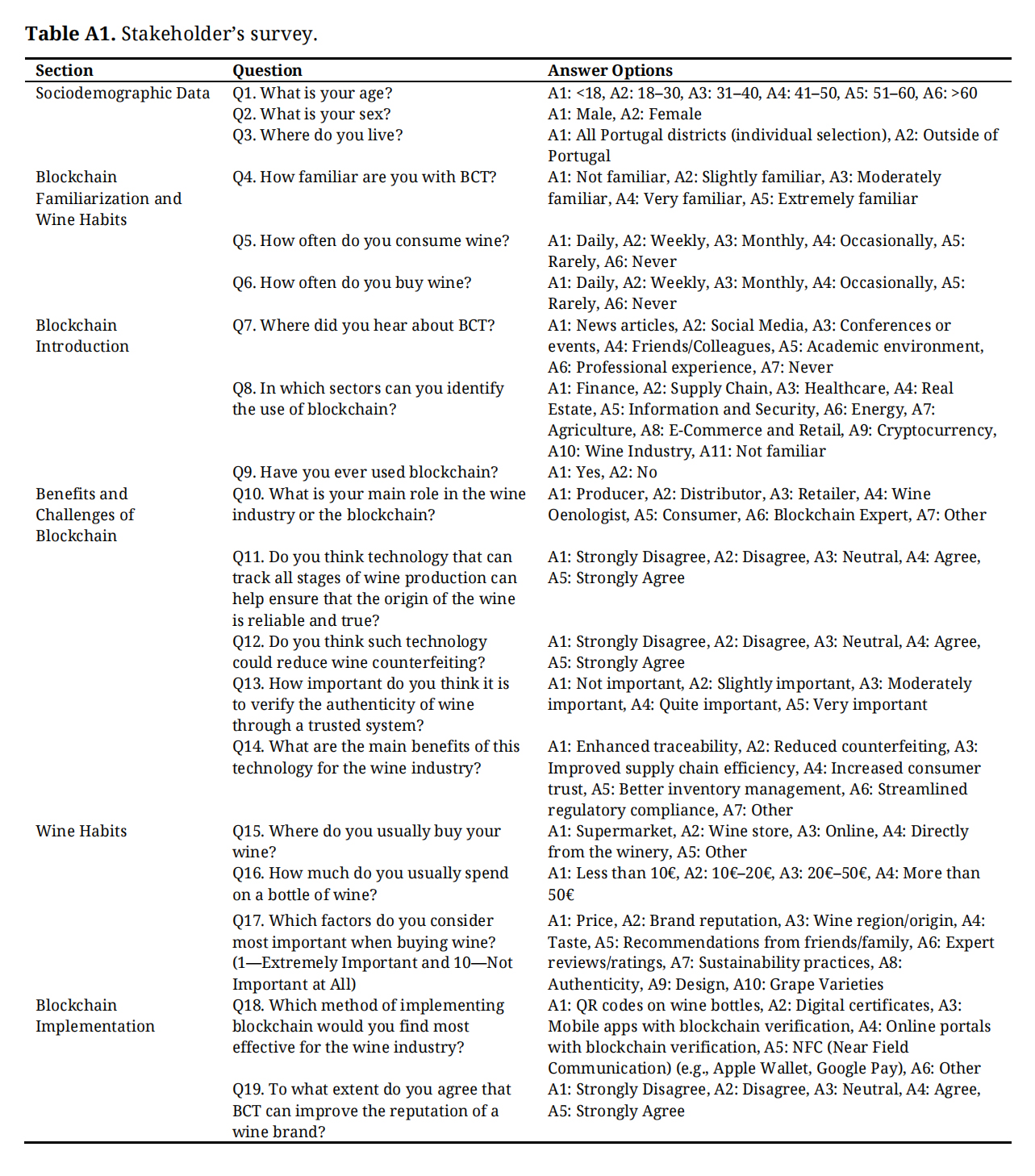 Table A1. Stakeholder’s survey.
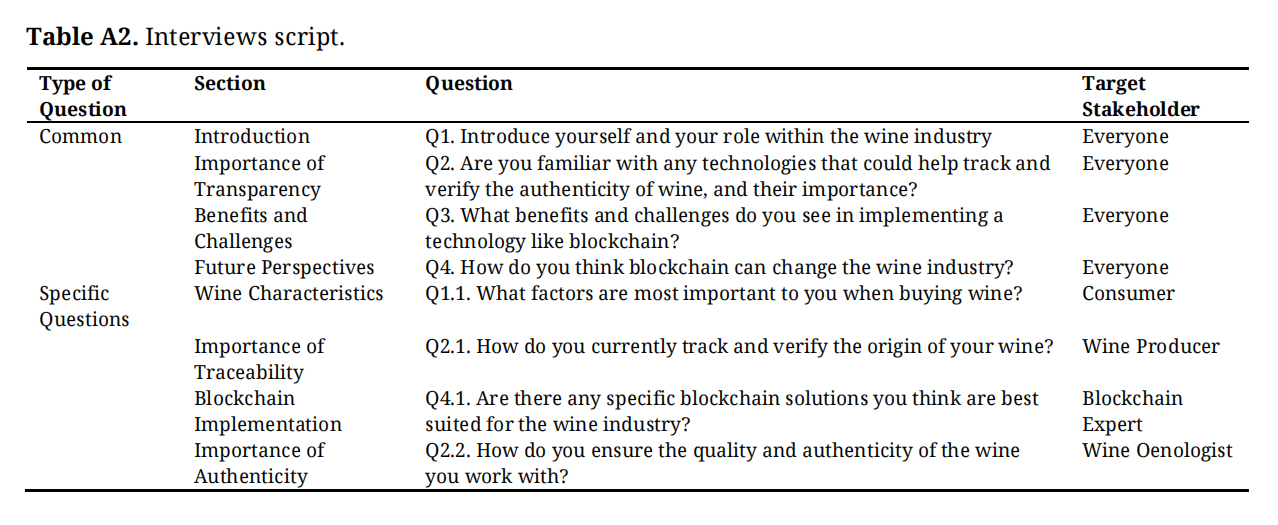 Table A2. Interviews script.
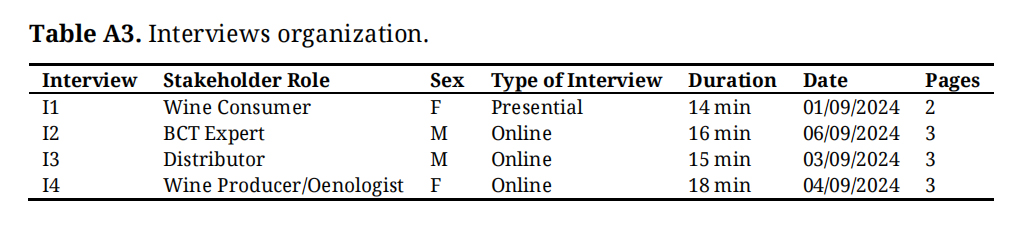 Table A3. Interviews organization.
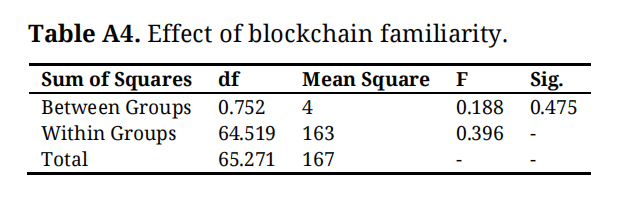 Table A4. Effect of blockchain familiarity.
 Table A5. Effect of wine consumption habits.
1.
2.
3.
4.
5.
6.
7.
8.
9.
10.
11.
12.
13.
14.
15.
16.
17.
18.
19.
20.
21.
22.
23.
24.
25.
26.
27.
28.
29.
30.
31.
32.
33.
34.
35.
36.
37.
38.
39.
40.
41.
42.
43.
44.
45.
46.
47.
48.
49.
50.
51.
52.
53.
54.
55.
56.
57.
58.
59.
60.
61.
62.
63.
64.
Conceição J, Gomes J, Guedes R, Romão M. Blockchain and trust in the wine industry: Consumer perceptions and supply chain transparency. J Sustain Res. 2026;8(1):e260005. https://doi.org/10.20900/jsr20260005.

Copyright © Hapres Co., Ltd. Privacy Policy | Terms and Conditions


