Location: Home >> Detail
Crop Breed Genet Genom. 2026;8(4):e260024. https://doi.org/10.20900/cbgg20260024
 ,
Sium Ahmed 1 ,
Sayem Sarker 1 ,
Minhajul Islam Alif 1 ,
Kathleen Hefferon 2 ,
Abdullah Mohammad Shohael 1,*
,
Sium Ahmed 1 ,
Sayem Sarker 1 ,
Minhajul Islam Alif 1 ,
Kathleen Hefferon 2 ,
Abdullah Mohammad Shohael 1,*
1
2
*
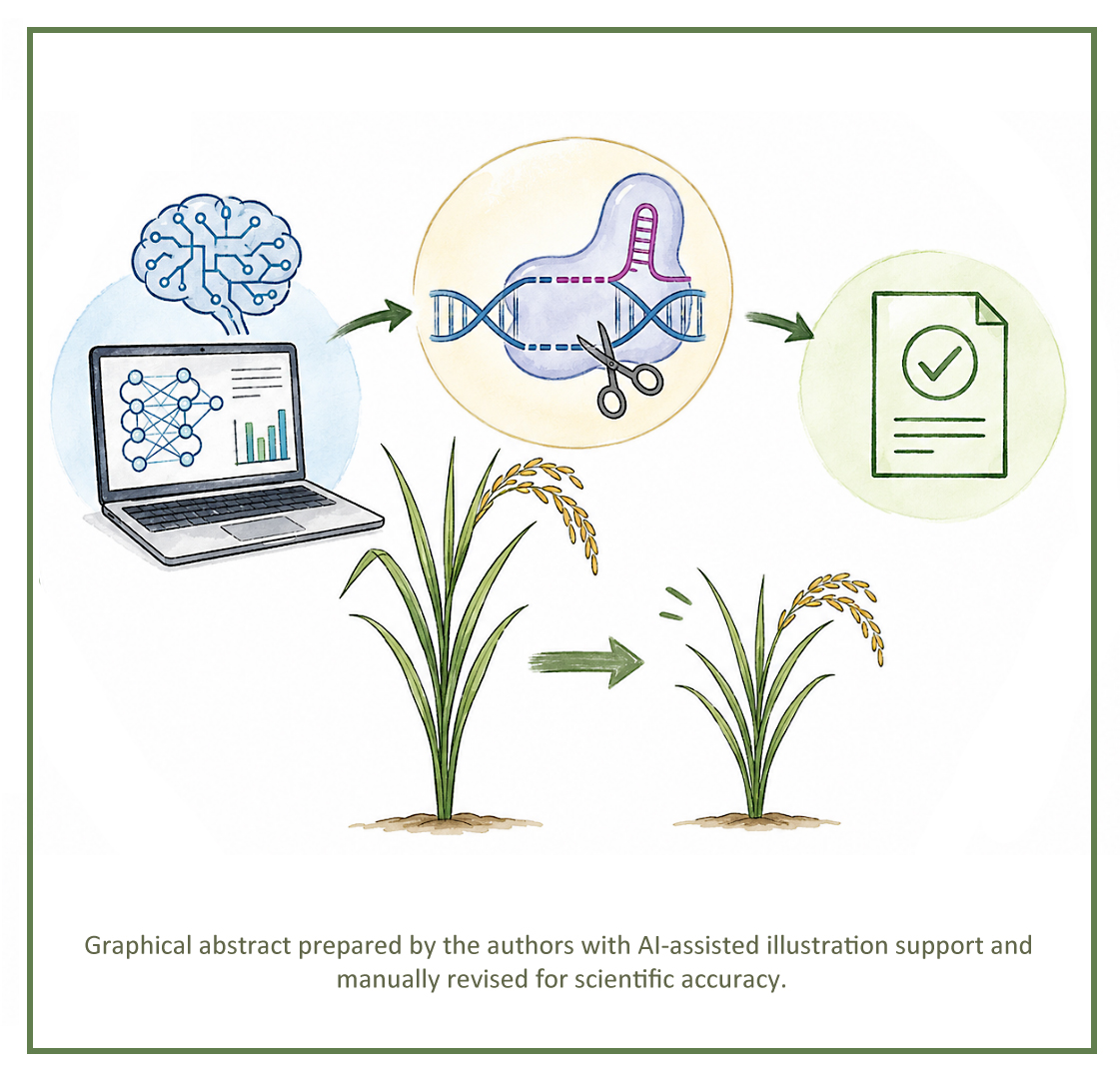
Rice is an integral component of global food security, and the introduction of semi-dwarf varieties has been a significant contributor to increased yields since the Green Revolution. The review article summarizes the genetic, molecular, and agronomic aspects underlying semi-dwarfism in rice, focusing on the Semi-Dwarf1 (SD1) gene that encodes a gibberellin 20-oxidase and on additional genes involved in gibberellin and brassinosteroid pathways. Subsequent genetic mapping, gene cloning, advanced molecular breeding, and AI-guided precision techniques have revealed that mutations in additional genes, beyond the SD1 allele, also contribute to dwarfism in rice. The review also covers traditional and molecular breeding methods, marker development, and CRISPR-mediated genome editing for targeted mutation to achieve semi dwarfism in rice. CRISPR offers high precision and the potential to generate transgene-free semi-dwarf lines, but challenges including off-target effects, mosaicism, and regulatory hurdles remain important limitations. In parallel, artificial intelligence and machine learning approaches exacerbate the process of high-throughput phenotyping, genomic prediction, and candidate-gene prioritization. However, model transparency and integration of genotype-by-environment data are still incomplete. Even if semi-dwarfism in rice contributes to substantial increases in yield, some difficulties, for instance, genetic uniformity and potential trade-offs with other agronomic traits, remain important challenges due to the widespread reliance on the SD1 gene. Finally, the review highlights the future prospects for integrating alternative semi-dwarf genes with genome editing and AI-assisted selection, which offers a practical route to more genetically diverse, lodging-resistant rice varieties with stable yield performance, thereby contributing to sustainable rice production and global food security.
Rice is a staple food, and more than half of the population all over the world depends on rice as their main meal [1]. Although 90% of the production and consumption occurs in Asia, the importance of rice is increasing in the Middle East, the West Indies, and Latin America [2]. It is a fundamental source of carbohydrates, as well as vitamins and minerals like magnesium, iron, phosphorus, and folic acid, and covers 20% of the world’s calories [3]. Regarding global food security, improvement of rice yield is essential to feed such a huge population, and the production rate affects people’s affordability. This is due to the fact that every year, a 1.2% to 1.5% increase in yield is needed to ensure global food security [4,5].
Even so, projections indicate that the average global rice yield is about 4835–5195 kg/ha, while production in 2024–2025 has reached 534.9 million tonnes [6,7]. The production of 4811.74 kg/ha of rice per season is obtained using double-cropping systems in Southeast Asia [8]. On the other hand, with triple-cropping in Bangladesh and Vietnam, rice yield ranges from 4100 to 7800 kg/ha depending on the season [9]. However, to achieve a higher production rate, the conventional approach is not adequate due to the significant manual effort it requires [10]. This approach often demands reliance on chemical fertilizers and pesticides to maximize yields, contributing to higher production costs and potential environmental harm. It also depends on the available gene pool, which is often narrowed due to repeated use of elite lines, restricting the introduction of novel traits such as stress tolerance or improved nutrition [11].
To solve these issues, molecular techniques for rice breeding are a blessing. These include transforming rice cultivation, enabling higher yields, improving quality, and a greater resilience to stress. Molecular breeding, including marker-assisted selection, gene editing (e.g., CRISPR-Cas9), and gene pyramiding, accelerates the development of rice varieties with higher yields and superior grain quality [12]. It enables the development of rice varieties resistant to major diseases (e.g., blast, bacterial blight) and tolerant to abiotic stresses such as drought, salinity, and nutrient deficiency [13]. Along with those factors, plant architecture, such as tillering, morphology of panicles, and plant height also contributes to production. The benefit of tillering varies from variety to variety. For example, high tillering increases the yield of japonica more than indica [14]. The panicle morphology, such as panicle length, number of branches, and spikelets, directly affects the production of rice. Identification and stacking of elite genes/quantitative trait loci (QTLs) for shape, aroma, and nutritional value have led to rapid improvements in both yield and market-preferred quality [15]. Moreover, both excessive height and dwarfism decrease the yield potential, so semi-dwarf varieties increase yield production by improving the harvest index and lessening lodging [14].
Semi-dwarfism is a genetically controlled condition where plants are smaller than the wild type but of decent height for growing and reproducing normally. This condition is more suitable for cereals and assists the crops in remaining upright during adverse atmospheric conditions like heavy rain and strong winds [16]. It is the result of mutations in genes (SD1, D36, SLR1, and OsGA2ox4) that regulate the gibberellin hormone, which is responsible for the elongation of the stem [17–19]. These semi-dwarf rice varieties produce more than 20%–30% higher yields than the traditional tall varieties. They are the foundation of the Green Revolution by growing higher yields and ensuring food security all over the world [20]. Numerous factors contribute to the higher yield of the semi-dwarf varieties. The grain takes up more biomass than stems and leaves in shorter plants, which assists in producing more yield. Subsequently, these varieties allow denser planting and can utilize the resources (e.g., light) properly due to their canopy structure [21]. Semi-dwarf rice resists lodging as a result, which reduces grain loss during the pre-harvesting period and improves the quality of the grain compared with wild-type rice. Furthermore, they use a higher amount of nitrogen fertilizer, which boosts yield. These traits are perfect for modern and large-scale agriculture, where profitability is essential [22].
However, semi-dwarf rice has some disadvantages. Worldwide, people consider the SD1 gene to be the causal agent of semi-dwarfism, because most of the semi-dwarf varieties carry the SD1 allele. For instance, the IR8, Taiwanese Taichung Native, and Japanese Jukkoku varieties (their derivatives Hoyoku, Shiranui, Reihou, etc.) all carry SD1-derived alleles [23]. As a result, the phenomenon has reduced the diversity in modern rice varieties and has led to a genetic bottleneck [19]. The crop becomes vulnerable to diseases because of the modification in the SD1 gene and future genetic improvement. Sometimes, the semi-dwarfing procedure may reduce the fertility of the spikelet, panicle size, and stress tolerance [24]. For example, CRISPR-generated SD1 mutants in Kasalath rice showed decreased grain number per panicle compared to the wild type. This stems from disrupted gibberellin biosynthesis affecting reproductive development, leading to fewer filled spikelets and smaller panicles [25]. To address these challenges, artificial intelligence (AI) is expected to play an important role in the near future. AI models, such as neural networks and support vector machines, can accurately predict key agronomic traits, including plant height, panicle number, and grain yield, based on parental genetic features [26]. Additionally, machine learning (ML) is used to scan large genomic dataset to scan large genomic datasets to discover new semi-dwarfing genes beyond SD1, supporting more resilient and productive rice varieties [27].
The goals of this review are to comprehensively investigate the genetic and molecular mechanisms of semi-dwarfism in rice. This involves exploring the key genes and their pathways responsible for dwarf traits, and how these modifications influence the agronomic outcomes. Furthermore, challenges associated with the widespread adoption of semi-dwarfism in rice breeding and highlighting areas for further research and breeding strategies that mitigate these drawbacks are other objectives of our research work. Overall, the evaluation of the contribution of genome editing and AI in this area is our main focus in this review.
In the field of rice breeding, semi-dwarfism plays a progressive role. In 1956, a semi-dwarf variety “Taichung Native 1” (“TN1”) was obtained from the crossing between Dee-Geo-Woo-Gen (DGWG) and “Tsai-yuan-chon” cultivars. In 1960, DGWG was crossed with Peta (a tall, high-yielding traditional Indonesian rice variety) and produced a high-yielding variety, IR8, which began the Green Revolution in Asia. During this period, these semi-dwarf rice varieties brought a groundbreaking change in the yield of rice. For this reason, it is called “miracle rice” and was released by the International Rice Research Institute (IRRI) as the first variety of semi-dwarf rice [27,28]. In 1969, IR8 was replaced by IR20, and this variety demonstrated improved resistance to diseases. Following that, insect resistance was added along with the previous features in IR26, replacing IR20 in 1973. IR36 substituted IR26 in 1982. IR36 added the feature of getting a higher yield in less time. By improving the grain quality, IR64 displaced IR36 in 1985 [27]. Due to natural and induced mutations after 1985, new SD1 alleles were identified, which broadened the genetic basis for semi-dwarfism. For instance, SD1-bm is one of the alternatives to the classic SD1-d allele and aids in addressing genetic bottlenecks [29]. In 1996, the SD1 gene was cloned and can encode a defective gibberellin 20-oxidase (GA20ox2) enzyme [28].
Besides this mechanism, another mutant gene, the Dwarf 1 (D1) gene, was found in 1999 and can encode the alpha subunit of the G-protein. This gene can also dwarf rice [30]. Additionally, brassinosteroid biosynthesis and signalling genes, such as brd1, were completely characterized in the early 2000s [31]. In 2002, the genome sequence of the indica subspecies was announced as a draft, but the complete genome sequence of the japonica rice (Nipponbare) was published in 2005. As a result, genome-wide detection of genes controlling many agronomic traits has been possible. In the same year, it was found that the deletion of a 383-bp region in SD1 is responsible for the dwarfism of the DGWG [27]. In the early 2010s, the advancement in molecular marker-aided breeding began. Around 2010-12, 600 rice genes were cloned, and their functional features were enriched, including plant height [32]. The technology of gene editing, like CRISPR-Cas9, began to modify the SD1 or other dwarfing genes in the late 2010s. The first report of targeted mutation of the SD1 gene by CRISPR-Cas-9 was published in 2018 and demonstrated successful generation of semi-dwarf mutants. This modified version allows the fast development of semi-dwarf lines and is reported to improve agronomic performance [25,33]. The history of semi-dwarfism in rice spans from the earliest discovery of the SD1 gene to the present time of molecular breeding and genome editing (Figure 1).
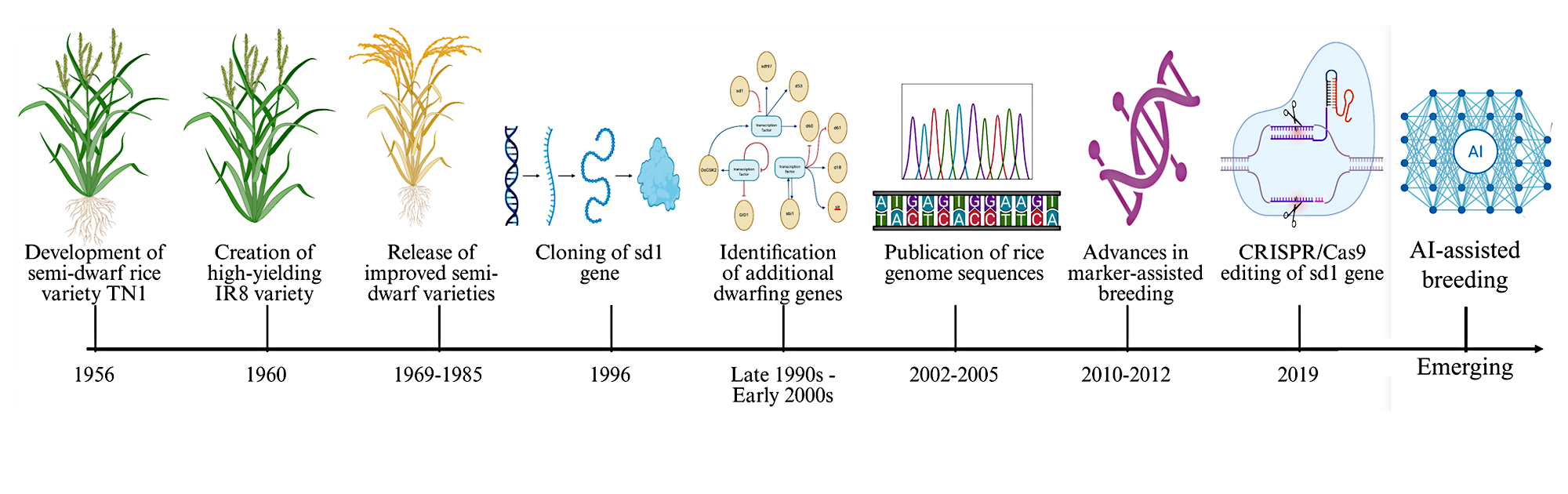 Figure 1. Conceptual and chronological overview of semi-dwarf rice improvement. The figure links the successive technological stages, from the discovery of the SD1 allele and the Green Revolution varieties, through gene cloning and marker-assisted selection, to CRISPR-mediated genome editing and the emerging integration of artificial intelligence for trait discovery and architectural design. Created with BioRender.com.
The mutation in genes regulating gibberellin biosynthesis is considered the predominant genetic basis of semi-dwarfism. However, several genes and pathways are also involved in this process. For example, gibberellin biosynthesis and signalling, brassinosteroid synthesis and signalling, and other hormonal crosstalk [17,34]. Additionally, the application of genome-wide association studies (GWAS) fosters the understanding of the genetic basis of plant dwarfism.
Gibberellin (GA) Biosynthesis and Signalling PathwayIn rice, GA biosynthesis is a complex multi-step process that converts geranylgeranyl pyrophosphate into bioactive GAs, such as GA1 and GA4, which are critical for stem elongation. The early steps involve the action of ent-copy diphosphate synthase (CPS) and ent-kaurene synthase (KS), which generate the precursor ent-kaurene [35]. This intermediate is then oxidized by ent-kaurene oxidase (KO) and ent-kaurenoic acid oxidase (KAO) to produce GA12, a key early gibberellin. The late stages of the pathway are catalyzed by GA 20-oxidases (GA20ox) and GA 3-oxidases (GA3ox), which convert GA12 (or GA53) into the active forms GA1 and GA4. In parallel, GA 2-oxidases (GA2ox) inactivate GAs and their precursors via 2β-hydroxylation to maintain hormonal balance.
In rice, the SD1 gene encodes OsGA20ox2, a crucial enzyme that facilitates the conversion of GA12 to GA9 (and GA53 to GA20), which are subsequently transformed into bioactive GA1 and GA4 by GA3ox. Loss-of-function mutations in OsGA20ox2, such as those found in SD1 mutants, result in drastically reduced levels of active GA and lead to the semi dwarf phenotype typical of Green Revolution cultivars [36]. These plants are GA-deficient, particularly in elongating tissues, but their short stature can be rescued by exogenous GA application. Conversely, increased GA2ox activity also leads to dwarfism by enhancing GA degradation; overexpression of GA2ox genes in rice accelerates GA catabolism and suppresses stem elongation [37]. Therefore, semi-dwarfism may arise either through impairment of late GA biosynthesis (GA20ox or GA3ox deficiency) or through upregulated GA deactivation (GA2ox overexpression), with the SD1 mutation in GA20ox being the most historically significant example [38].
The GA signaling pathway in rice operates through the perception of GA by the Gibberellin Insensitive Dwarf 1 (GID1) receptor and the subsequent regulation of DELLA proteins, which act as key negative regulators. In rice, the primary DELLA protein is SLR1 [39]. The core signaling mechanism involves several coordinated steps: bioactive GA binds to the soluble receptor GID1 within the nucleus, enabling the GA–GID1 complex to physically interact with SLR1 and form a GID1-GA-SLR1 complex. The SCF E3 ubiquitin ligase complex, which includes the F-box protein GID2, identifies this complex and facilitates the ubiquitination and eventual degradation of SLR1 through the 26S proteasome [40]. When GA is absent, SLR1 builds up and suppresses the transcription of GA-responsive genes, restricting stem elongation and overall growth. However, GA-induced degradation of SLR1 lifts this repression, promoting the transcription of growth-related genes and triggering cell elongation [41].
Brassinosteroid (BR) Synthesis and Signalling PathwayBrassinosteroids (BRs) are a group of essential plant steroidal hormones that play critical roles in regulating plant height, leaf angle, fertility, and overall architecture. In rice, defects in BR biosynthesis or signaling pathways are often associated with dwarf or semidwarf phenotypes. These highly valued traits improve lodging resistance and enhance grain yield [42]. Mutants impaired in BR perception or response typically exhibit reduced cell elongation and erect leaf architecture, beneficial traits under high-density planting systems [43]. The synthesis of BRs involves a series of enzymatic processes converting the common phytosterol campesterol to active BRs such as castasterone and brassinolide. This biosynthetic pathway includes oxidative reactions, isomerization, and hydroxylation, catalyzed by cytochrome P450 monooxygenases and other proteins [44]. In rice, two pathways, known as early and late C-6 oxidation exist, with their activity dependent on tissue type and developmental stage. OsCYP85A1 is a crucial cytochrome P450 enzyme in rice that functions as a C-6 oxidase, catalyzing the conversion of 6-deoxocastasterone to castasterone. Castasterone is recognized as a likely final product in the BR biosynthesis pathway in rice [45]. The main enzymes involved in brassinosteroid synthesis are D2 (CYP90D2), OsBRD1, and OsDWARF4. The activities of these genes are precisely regulated to maintain hormonal balance, ensuring normal growth and development. When D2 loses its function, there is a buildup of BR precursors, resulting in rice plants that are dwarfed with upright leaves [46]. When the OsBRD1 gene is disabled, the amount of active BRs decreases, causing rice plants to grow shorter with improved resistance to lodging [47]. OsDWARF4 is also a crucial gene, and mutations in this gene reduce hormone production, leading to compact plants with shortened internodes and upright, dark-green leaves [48].
In rice, BR perception and signaling are key to shaping plant morphology. The BR signaling pathway begins at the plasma membrane, where OsBRI1, a receptor-like kinase with leucine-rich repeats, acts as the main receptor for BRs. Upon BR binding, OsBRI1 forms a complex with its co-receptor OsBAK1, which triggers autophosphorylation and transphosphorylation events. These events then initiate a signaling cascade essential for driving growth processes influenced by BRs [49]. Following receptor activation, the signal is conveyed through a series of phosphorylation steps involving kinases and phosphatases downstream. A key player in this cascade is OsGSK2, a GSK3/SHAGGY-like kinase that acts as a negative regulator of BR signaling. When BRs are absent, OsGSK2 remains active and phosphorylates target transcription factors such as dwarf and low-tillering (DLT), inhibiting their function and leading to the dwarf phenotype commonly seen in rice [50]. When BRs are present and activate the signaling pathway, OsGSK2 is inhibited or inactivated, which permits the accumulation of unphosphorylated DLT. This unphosphorylated DLT is then able to move into the nucleus. Inside the nucleus, DLT regulates the transcription of BR-responsive genes that promote cell elongation, internode growth, and overall plant height. Additional transcription factors such as OsBZR1 and OsLIC interact with this signaling pathway to fine-tune developmental responses. Mutations affecting components of this signaling network result in diverse phenotypic variations in rice [51]. For instance, d61 mutants, defective in OsBRI1, exhibit severe dwarfism and reduced fertility, whereas DLT mutants show a moderate semidwarf phenotype that is often desirable for breeding due to improved lodging resistance and compact plant architecture [35].
The initial stage of gene mapping focuses on the identification and localization of genes that are responsible for plant height, increased yield, and lodging resistance. Both recessive and dominant semi-dwarf genes were mapped by combining classical genetics, mutagenesis, and molecular marker technologies. The early semi-dwarf mutants were produced by utilizing gamma rays or ion beams [52]. QTL mapping is useful for studying the locations of genes in semi-dwarf rice. While looking for the genetic basis, biparental populations such as second-generation offspring (F2), recombinant inbred lines (RILs), and backcross populations have been utilized as instruments because of their uniform genetic context. Among them, RILs are considered ideal for high-resolution mapping due to their homozygosity, and F2 and backcrossing are also effective in different genetic backgrounds [53,54]. In chromosome 1, the SD1 gene is localized in both the RIL and the F2 populations [55]. In preliminary mapping, the scientists placed the desired genes on a particular chromosome and used linkage analysis with the F2 generations [56]. Interestingly, the SD1 gene, a major gene responsible for the Green Revolution, is the result of long-term mapping and the analysis of mutants [17]. On the other hand, GWAS are a comparatively strong tool to identify natural genetic diversity and high-density single nucleotide polymorphisms (SNPs) of both known and novel loci. Subsequently, qPH3-1 and qPH-3b are on chromosome 3 of the RIL population. qPH6 affects plant height and remains on chromosome 6 [57]. The qPH8 and qPH12 are located on chromosomes 8 and 12, respectively. These genes are fine-mapped and cloned to obtain the desired trait [53,54].
More than 60 genes have been identified in rice that are responsible for producing dwarf and semi-dwarf phenotypes. However, only a few have shown the desired result because of the adverse effects of the mutations [17]. For example, the position cloning of the SD1 gene revealed the ability of gibberellin biosynthesis. Multiple alleles of this gene have been identified in natural, induced, and CRISPR-Cas9 generated variants. Some other cloned genes, including SLR1, GID1, and D1, are responsible for either GA metabolism or signalling rather than GA biosynthesis [58–60]. The loss- or gain-of-function alleles of these genes are responsible for the partially GA-insensitive and GA-insensitive semi-dwarfs that demonstrate greater flexibility regarding the response to the hormones and avoid the reduction of grain number [19]. Another gene, D60, decreases the length of the culm more markedly than the SD1 alleles. However, it has been successfully combined with SD1 to generate ultra-compact, high-lodging-resistance backgrounds without excessive yield penalty [61]. In the BR pathway, DLT and OsGSK2 mutants express moderate semi-dwarf stature together with erect leaves, while D61/OsBRI1 alleles produce more severe dwarfing by compromising fertility [62,63]. The genes related to strigolactones, for instance D53 and HTD1 reduce rice height and increase tiller number. These genes provide an architectural trade-off that can be advantageous under certain management systems [64]. Overall, these genes are different from SD1 in the hormone pathway, pattern of height reduction, impact on reproductive traits, and environmental adaptability, but pyramiding with SD1 offers broader genetic diversity [19].
After achieving satisfactory results, genetic analysis determined if the characteristics were controlled by recessive or dominant genes. To locate the genes, random amplified polymorphic DNA (RAPD) and sequence characterized amplified region (SCAR) markers were used primarily. For instance, those two markers were developed and mapped to chromosome 7 of semi-dwarf mutant Y98149 and the distance of the gene ranging from 7.5 to 16.3 cM [52,65]. Restriction Fragment Length Polymorphism (RFLP) and RAPD are traditional markers that were utilized to map genes and for marker-assisted selection in rice breeding [66]. Additionally, simple sequence repeat (SSR) markers are also famous for their high polymorphism and ease of use. Subsequently, other sequence-based markers, including SNP and insertion-deletion (InDel) markers, can distinguish SD1 alleles and genes responsible for dwarfism with high resolution. Cleaved amplified polymorphic sequence (CAPS)/derived cleaved amplified polymorphic sequence (dCAPS) markers are designed around the known mutations to select specific alleles directly. Lastly, marker-based selection can ensure reliable identification of semi-dwarf genotypes even before the expression of the phenotypic characters [29,67]. The function and mutational effects of semi-dwarfism-related genes are described in Table 1. Overall, breeding strategies are crucial factors in making a plant semi-dwarf.
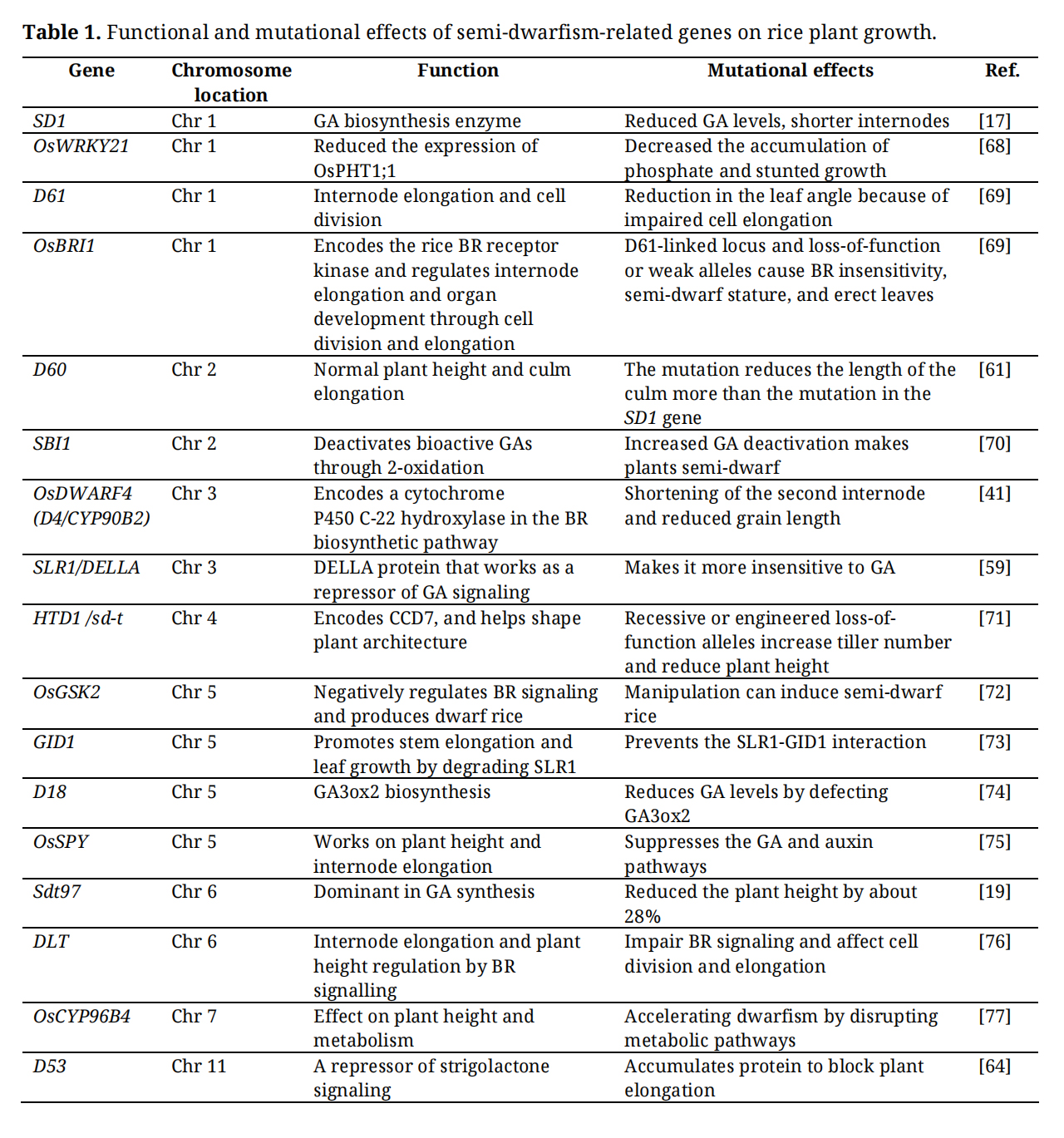 Table 1.
Functional and mutational effects of semi-dwarfism-related genes on rice plant growth.
Table 1.
Functional and mutational effects of semi-dwarfism-related genes on rice plant growth.
The semi-dwarf rice breeding strategies incorporate traditional breeding and molecular tools, including gene editing, to enhance the performance of semi-dwarf plants (Figure 2) [78]. Several successful semi-dwarf rice varieties are demonstrated in Table 2.
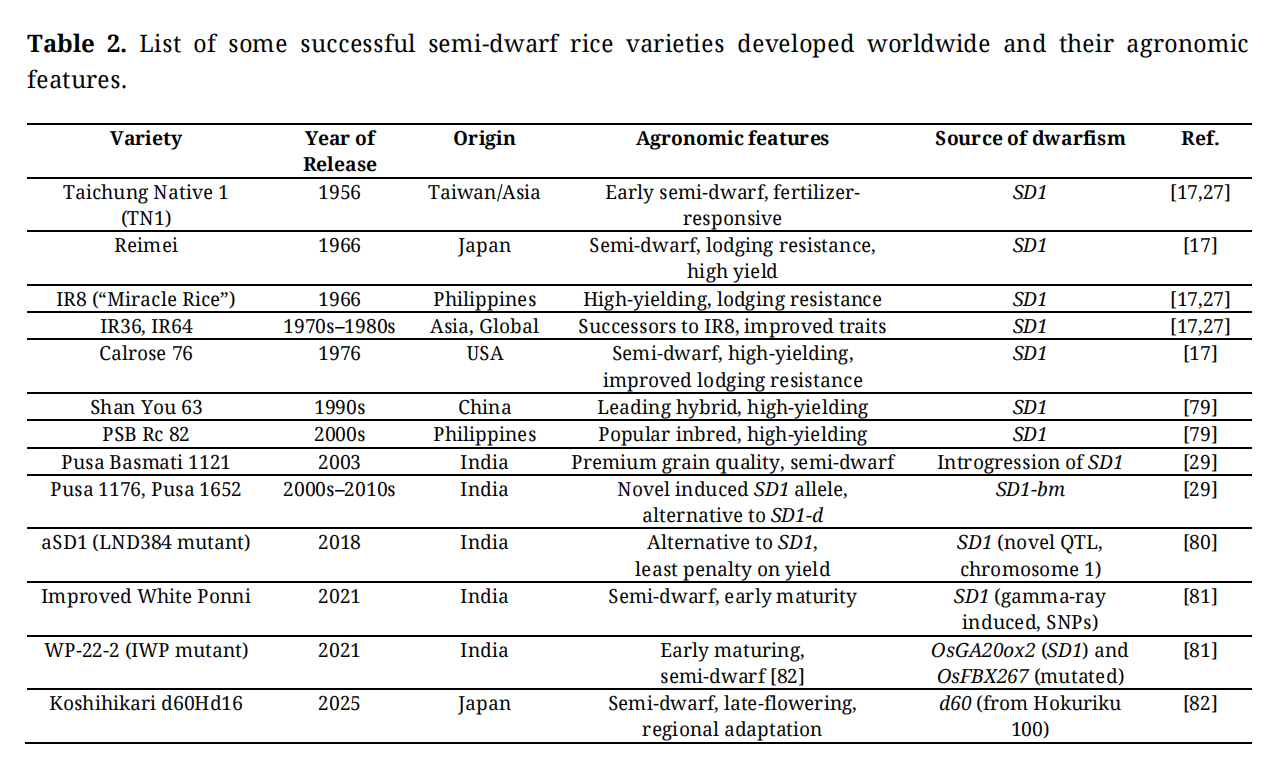 Table 2.
List of some successful semi-dwarf rice varieties developed worldwide and their agronomic features.
Table 2.
List of some successful semi-dwarf rice varieties developed worldwide and their agronomic features.
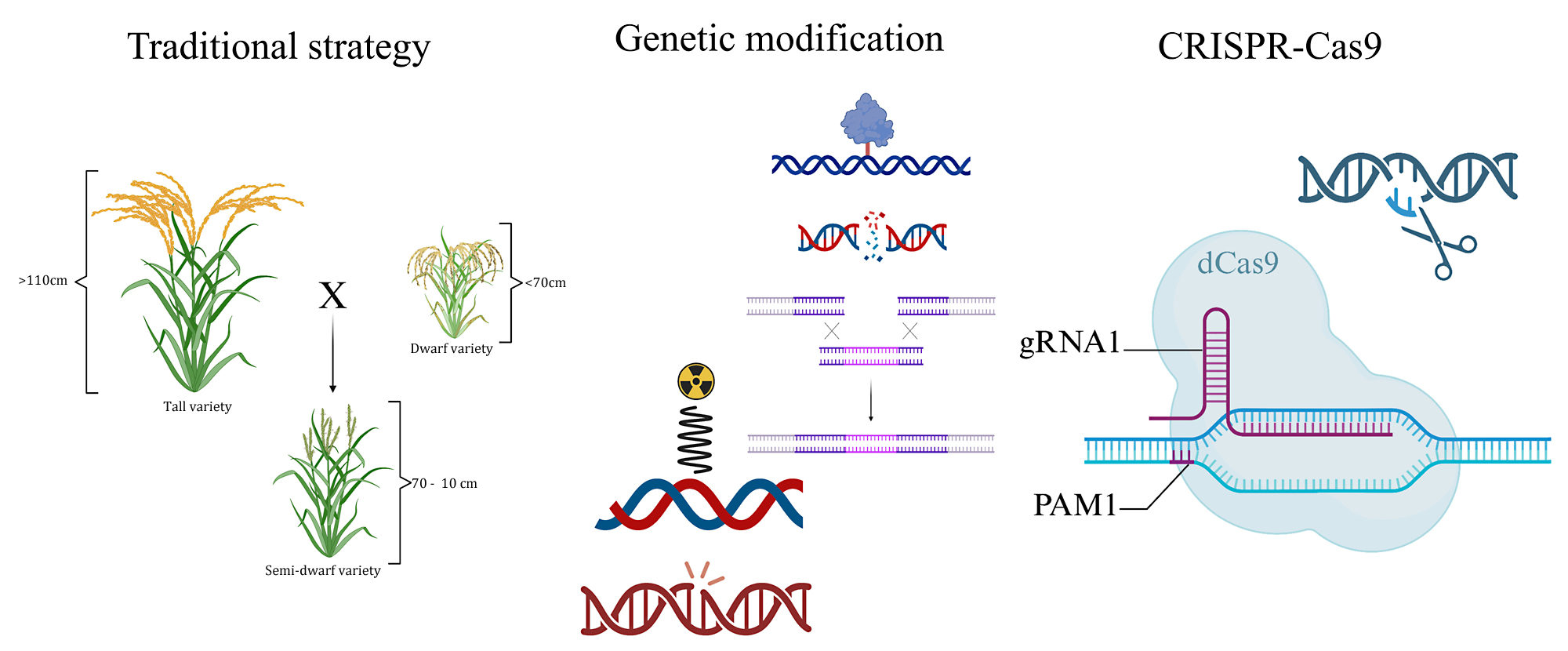 Figure 2. Breeding strategies of semi-dwarf rice. Created with BioRender.com.
The breeding strategy is usually characterized by the introgression of semi-dwarf genes from donor varieties such as DGWG into the elite cultivars through hybridization and selection. The most outstanding success involved the development of IR8, which is a semi-dwarf rice variety that was grown at IRRI by crossing Peta and DGWG [83].
Recurrent BackcrossingBackcrossing is one of the traditional ways to conduct breeding. The semi-dwarf gene has been incorporated into higher varieties by crossing with shorter plants repeatedly. The traits are also observed after each crossing [78]. Marker-assisted selection has been utilized more extensively to select for semi-dwarf progenies during backcrossing expeditiously [84]. ‘TS4’ is one of the outcomes of recurrent backcrossing. The recurrent parent of this variety is Siputeh, and WH421 is the SD1 gene donor parent [85].
Mutation BreedingInduced mutations by gamma irradiation or chemical mutagens, including ethyl methane sulfonate, have produced novel semi-dwarf mutants. For example, the popular Indian basmati type ‘Pusa Basmati-1’ was improved using semi-dwarf gamma ray mutants [81]. Mutation breeding enables breeders to obtain non-transgenic semi-dwarf varieties, thus avoiding problems that emanate from transgenic crop regulations [83].
Hybrid Rice BreedingHybrid rice breeding combines the advantages of heterosis (hybrid vigor) with desirable traits such as semi-dwarfism to achieve higher yields, better lodging resistance, and improved grain quality. Semi dwarf parents are normally favored in order to produce high-yielding and improve the lodging resistance of hybrid combinations which revolutionized rice production globally [86]. IR8 is a classic example of a semi-dwarf rice variety that played a pivotal role in hybrid rice breeding. The success of IR8 and similar semi-dwarf varieties laid the foundation for the development of hybrid rice, particularly in China and Southeast Asia, where hybrid rice now covers millions of hectares [87].
Genetic Modification Marker-Assisted BreedingMarker-assisted selection is a modern breeding technique that uses DNA markers to efficiently introduce desirable genes into elite rice varieties. This approach accelerates breeding, increases precision, and allows for the combination of multiple traits, including semi-dwarfism, disease resistance, and grain quality [85]. Progress in molecular markers associated with locus SD1 has greatly enhanced the rate of breeding programs. Today, conventional marker-assisted breeding has transferred the semi-dwarf allele to high-quality rice varieties, and no extensive field screening has been involved [88]. Basmati 370 is an example of this technique. The SD1 (semi-dwarf) gene was retrieved from IR64 and incorporated into Basmati 370. That makes the variety semi-dwarf, aromatic, and lodging-resistant [22].
Molecular Breeding and PyramidingAdditionally, breeders incorporate SD1 with disease-resistant genes (e.g., blast resistance) and quality traits (e.g., aroma, glutinous texture). This improves resilience, yield, and value in the market [89]. To escape from the bottleneck effect, breeders identified semi-dwarf and dwarf genes (e.g., SLR1, SBI, D1, etc.) other than SD1 [19,29]. A notable example is the improvement of the traditional tall Basmati variety ‘Ranbir Basmati’ by pyramiding the semi-dwarf SD1 gene with two bacterial blight resistance genes (Xa21 and xa13) using marker-assisted backcross breeding. The resulting lines were significantly shorter, had improved lodging resistance, and showed broad-spectrum resistance to bacterial blight, while maintaining superior grain quality and aroma [89].
Genetic Engineering or Transgenic StrategiesSome traditional transgenic strategies, such as overexpression or silencing of key genes using Agrobacterium-mediated transformation, have also been used to create semi-dwarf rice. These approaches typically involve introducing foreign DNA to alter the expression of genes involved in GA biosynthesis or signaling, which are central to plant height regulation [90]. Inoculating genes that increase gibberellin breakdown (e.g., GA2-oxidase) to reduce active GA levels, resulting in shorter plants [91]. The plant height can be reduced by suppressing genes like GA20-oxidase or GA3-oxidase [92].
Genome Editing StrategySeveral genome editing strategies might be able to improve the quality of rice, for instance, Zinc finger nucleases (ZFNs), transcription activator-like effector nucleases (TALENs), and CRISPR-mediated strategies. ZFNs were the first designed nuclease-based approach for genome editing in plants, preceding TALENs and CRISPR-Cas systems. They are chimeric proteins composed of a synthetic zinc-finger DNA-binding domain fused to the FokI nuclease cleavage domain. They can produce double-stranded breaks at specific genomic loci. These induced breaks are repaired through non-homologous end joining (NHEJ) or homology-directed repair (HDR), producing targeted mutations, gene replacements, or insertions [93]. They are described as tools for crop improvement broadly, including yield and quality enhancement [94]. TALENs are also engineered proteins that enable targeted double-strand breaks at predefined rice genomic loci, with repair through NHEJ or HDR producing heritable mutations. They have been used to edit endogenous rice genes and develop herbicide-resistant and potentially semi-dwarf rice lines [95]. ZFNs and TALENs are fundamental genome editing tools in rice, yet they assist in resistance to disease and the biosynthesis of starch rather than plant height [96].
CRISPR-Mediated StrategiesCRISPR-Cas9 genome editing is the leading strategy for developing semi-dwarf rice. The most common target for semi-dwarfism is the SD1 gene. Loss-of-function mutations in this gene result in a 17%–25% reduction in plant height and improved lodging resistance under high-fertilizer conditions, while grain yield, flowering time, and grain quality remained statistically comparable to the wild-type controls in the tested environments. However, these outcomes are genotype- and environment-dependent [25,97]. Cas12a-Cpf1 (another CRISPR system) has also been successfully deployed in rice, offering higher specificity and the ability for larger deletions; studies confirm its utility for knocking out genes and developing desirable traits, including dwarfism [98]. Traditional molecular cloning relies on type II restriction endonucleases that recognize short, fixed palindromic DNA sequences, typically 4–8 bp long. These enzymes cleave DNA within or near those defined recognition sites, so cleavage is restricted to predetermined positions rather than arbitrary loci [99]. Strategies developed to overcome restriction-site constraints emphasize that conventional cloning is limited by the availability of suitable sites, and that seamless junctions require special workarounds to eliminate extraneous nucleotides or cloning “scars” [100]. In contrast, CRISPR-Cas genome editing instead uses an RNA-programmed nuclease whose specificity is dictated by guide RNA (gRNA) base pairing to the target DNA [101]. For Cas9, target cleavage is typically directed by a 20-nucleotide guide segment and requires an adjacent short PAM sequence [102]. The resulting site-specific double-strand break is repaired by the plant’s endogenous NHEJ or HDR pathways, enabling precise insertions/deletions, base substitutions, or larger modifications without restriction-enzyme scars and with the possibility of recovering fully transgene-free progeny after segregation of the editing reagents [100,103]
The use of CRISPR-Cas9 technology in the development of semi-dwarf rice comprises a number of definite and following steps. The first step is target identification for editing [104]. After this, gRNA design is carried out using software such as CRISPR-P to select conserved target sites [105]. The designed gRNA is then adapted into a binary vector containing a Cas9 gene expressed by a strong plant promoter such as CaMV 35S or OsActin under the control of the U6 promoter. This recombinant vector is delivered into callus tissues of rice by Agrobacterium tumefaciens-based transformation [106]. The generated T0 transgenic plants are regenerated and diagnosed for mutations by PCR-based methods, followed by Sanger sequencing or T7E1 cleavage assay [107]. Finally, plants transformed with InDELs that cause frameshift mutations are screened, and homozygous mutants are obtained by genotyping the T1 progeny, leading to potential, stable, CRISPR-derived desired lines. The main advantage of this process is that many of the edited lines were capable of segregating out the CRISPR-Cas9 transgene in the T1 or T2 generations to reveal non-transgenic, genome-edited plants. This is a major advantage in approving an application for regulation and cultivation [108]. Furthermore, the targeted editing genes are allowed to be precisely introduced into new plants without compromising other agronomic traits through the CRISPR-Cas9 method [25].
A study was conducted by a group of scientists. They edited the SD1 gene of the Nipponbare variety of Japonica rice using the CRISPR-Cas9 system. The researchers made small insertions and deletions (1–10 base pairs) at the target site to create several autonomous homozygous SD1 mutant lines. These edited lines had a 25% reduction in plant height, with other agronomic traits sturdily unaffected, such as yield, flowering period, and grain quality [105]. Surprisingly, some of the first generation of plants (T1 lines) were found to have no trace of the CRISPR-Cas9 tool, meaning they were successfully edited and more regulatory-friendly. This strategy makes it easy to quickly develop better semi-dwarf rice varieties without the need for the lengthy process of crossbreeding [109]. Some semi-dwarf rice varieties using CRISPR-Cas9 are incorporated in Table 3.
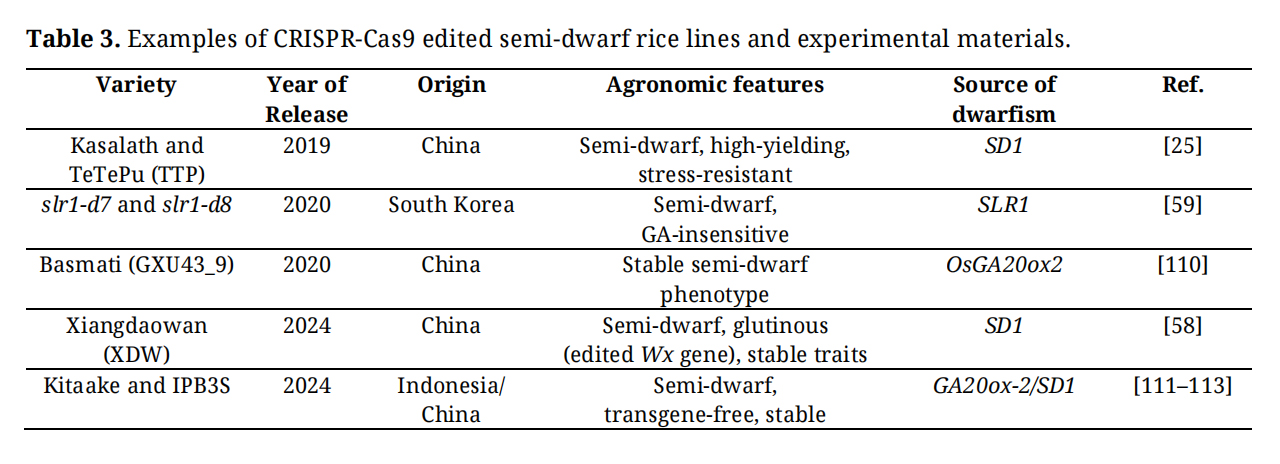 Table 3. Examples of CRISPR-Cas9 edited semi-dwarf rice lines and experimental materials.
The success of the Green Revolution rested on the discovery and use of key semi-dwarfing genes, most notably the SD1 allele. This gene alters GA biosynthesis and produces plants that resist lodging while allocating more biomass to grain, resulting in a higher harvest index [20]. Decades of reliance on this single-gene solution, however, have brought yield gains close to a ceiling. Further progress now requires a broader view of plant architecture [19]. What is described here as the rice improvement through semi-dwarfism (RISE) initiative shifts attention from isolated genes to the interacting genetic systems that shape height and form across diverse growing conditions. Moving from simple Mendelian control to quantitative genetic regulation allows breeders to adjust semi-dwarfism more precisely and to reduce common drawbacks such as poor seedling vigor [27]. This shift also introduces new challenges. Contemporary breeding programs generate vast and complex datasets through high-throughput genotyping, including whole-genome sequencing, alongside high-throughput phenotyping (HTP) platforms [114]. Managing and interpreting this volume of information has become a major obstacle. Conventional statistical approaches often struggle to capture the non-linear relationships and gene interactions that underlie the biochemical control of plant height and overall architecture [115].
Artificial intelligence and machine learning now provide practical solutions to these constraints. These approaches enable efficient pattern recognition, prediction, and classification across large phenotypic and genomic datasets that encode plant height, internode length, stem strength, and lodging resistance. They allow biologically meaningful signals to emerge from otherwise unmanageable data and speed the development of improved semi-dwarf rice lines [116]. Their impact is most evident in three interconnected areas of research. First, they support automated and high-throughput measurement of the semi-dwarf ideotype, including precise quantification of internode elongation and canopy architecture that determine lodging resistance [117]. Second, they improve genomic prediction of architectural performance while aiding in the discovery of previously unrecognized genes involved in height regulation [118]. Linear genomic-selection models capture mainly additive effects and often miss the epistatic interactions that fine-tune plant height [119]. Deep-learning architectures improve prediction of height and lodging-related breeding values by learning long-range marker interactions among semi-dwarf and other GA/BR pathway genes [120]. After GWAS, network-based and graph-neural-network approaches rank candidate genes according to their functional proximity to known semi-dwarfing pathways that must be validated experimentally [121]. Third, AI-guided design of genome-editing strategies to create new and useful semi-dwarfing alleles with minimal pleiotropic effects [122]. Once candidate loci are prioritized, machine-learning models predict guide-RNA efficiency, off-target risk, and expected editing outcomes for CRISPR, base-editing, and prime-editing reagents [123]. This shortens the cycle from gene discovery to the generation of precise, low-pleiotropy semi-dwarfing alleles that can be introgressed or edited into elite backgrounds without the yield penalties sometimes associated with classical SD1 mutants [124]. Together, as summarized in Figure 3 and Table 4, these applications might form the analytical backbone of rice improvement through semi-dwarfism.
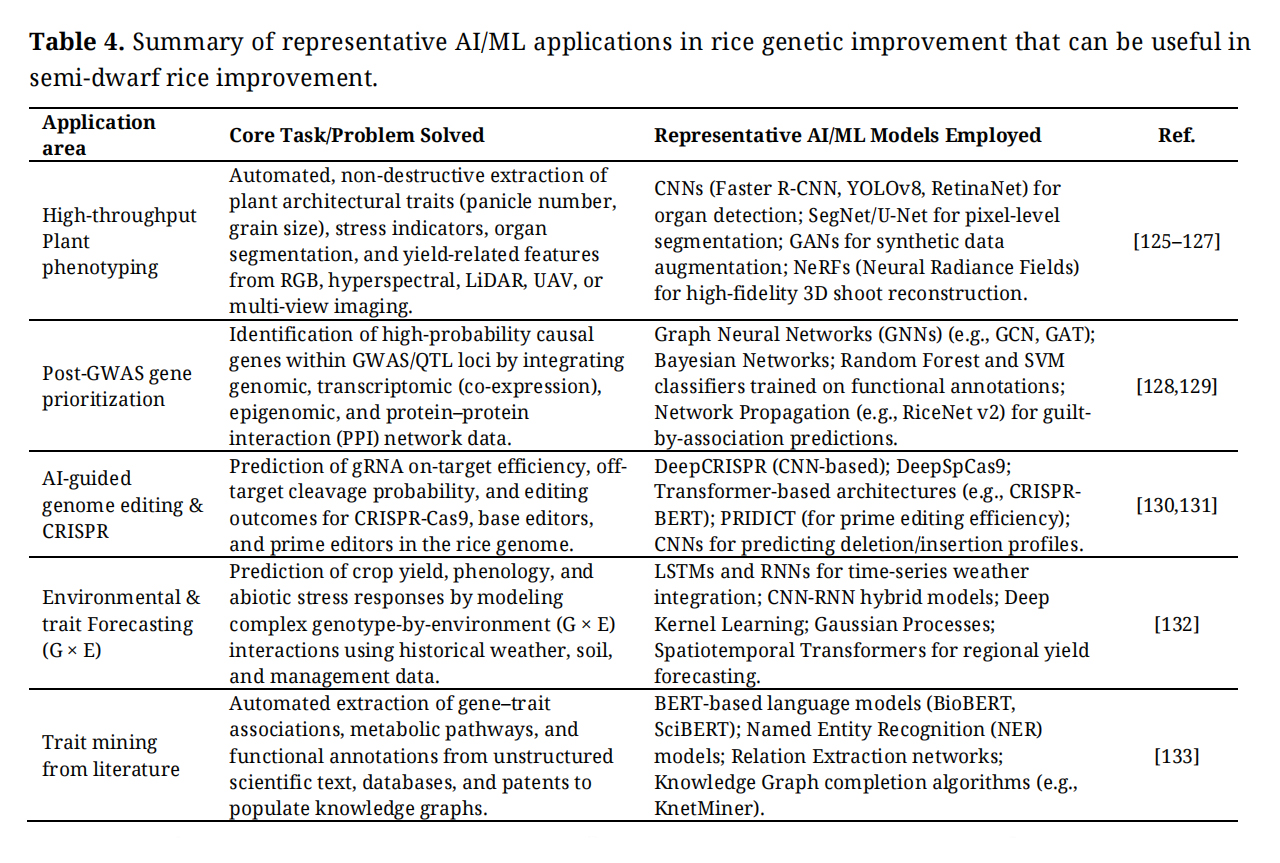 Table 4.
Summary of representative AI/ML applications in rice genetic improvement that can be useful in semi-dwarf rice improvement.
Table 4.
Summary of representative AI/ML applications in rice genetic improvement that can be useful in semi-dwarf rice improvement.
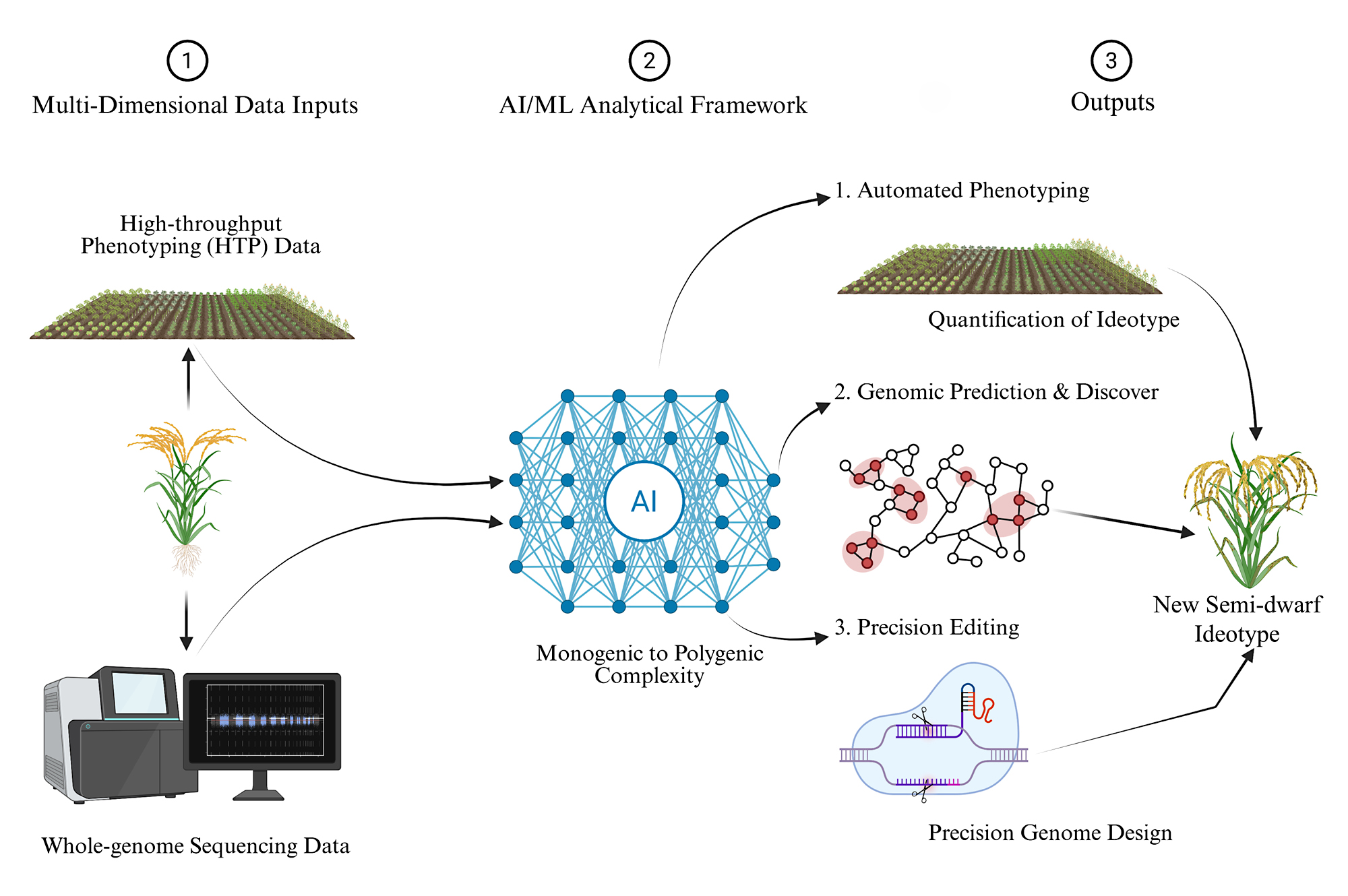 Figure 3. The core pillars of rice improvement through semi-dwarfism by AI/ML. Created with BioRender.com.
One of the main obstacles in characterizing and selecting improved semi-dwarf rice lines has long been the dependence on manual, time-consuming, and often destructive phenotyping methods [116]. Traits, particularly the precise relationship between internode length, panicle exertion, and stem diameter that determines lodging resistance, are difficult to measure accurately across the large populations needed for genetic analysis. In response, AI-enabled high-throughput phenotyping platforms have been developed that rely on computer vision and deep learning to extract precise digital phenotypes from ground-based sensors, unmanned aerial vehicles, and controlled laboratory imaging systems. The current AI-based phenotyping approaches for semi-dwarf architecture fall into three broad categories: organ-level detection, whole-plant segmentation, and three-dimensional reconstruction [127].
Organ-Level Detection and CountingDeep learning models, particularly convolutional neural networks, are now widely used to identify and quantify individual plant organs within the compact canopies typical of semi-dwarf rice. Early approaches relied on simple bounding boxes, but more recent single-stage detectors such as YOLOv8 and RetinaNet support rapid and accurate detection of panicles and grains, even under field conditions [134]. This capability is especially important for semi-dwarf genotypes, where dense panicle arrangement frequently leads to visual occlusion. Many phenotyping pipelines now use a staged approach. Faster R-CNN is commonly applied for initial object localization, followed by pixel-level segmentation networks to refine organ boundaries. Overlapping organs remain a major challenge in dense, high-yielding crop populations. To address this, generative adversarial networks are increasingly used to reconstruct occluded structures by synthesizing missing visual information, allowing yield components to be counted reliably even in complex field images [127,135].
Root System Architecture (RSA) PhenotypingImprovement of the semi-dwarf trait is not limited to above-ground features. A well-developed root system is essential to stabilize the altered center of gravity and reduce the risk of root lodging. Quantification of root system architecture has advanced rapidly through the use of deep learning models such as U-Net and SegNet [136]. These fully convolutional networks are well-suited to semantic segmentation tasks and can distinguish fine root structures from heterogeneous soil backgrounds in two-dimensional rhizotron images. Tools such as RootNav 2.0 apply these models to trace complex root networks automatically and extract traits, including branching angle and total root length. These measurements are particularly important for breeding semi-dwarf rice lines with improved drought tolerance and lodging resistance [137].
From Two-Dimensional Images to High-fidelity Three-dimensional ReconstructionAlthough two-dimensional imaging remains common, it often fails to capture the full spatial complexity of semi-dwarf rice canopies. Recent work has moved toward three-dimensional reconstruction methods that provide a more complete representation of plant structure. Earlier techniques relied on LiDAR or multi-view stereo, which can be computationally demanding or limited in surface detail. Neural Radiance Fields offer a new approach. By training deep neural networks on a limited number of images, NeRF-based methods generate realistic three-dimensional models and allow new viewpoints to be synthesized. This makes it possible to extract volumetric traits such as canopy light interception and detailed biomass distribution without destructive sampling [126].
Machine Learning for Genomic Prediction and Novel Gene Discovery in Semi-Dwarf LineagesProgress in phenotyping has been accompanied by growing use of machine learning to connect genotype with phenotype across the complex genetic backgrounds of semi-dwarf rice. These applications focus on two related goals. The first is predicting the performance of breeding lines to shorten selection cycles. The second is identifying new genes that subtly adjust the semi-dwarf phenotype [127].
Genomic Selection and Epistatic ModelingGenomic selection uses genome-wide marker data, such as single-nucleotide polymorphisms, to estimate genomic breeding values for individual plants. This allows breeders to identify promising semi-dwarf parents before committing to extensive field trials [138]. Linear models like the genomic best linear unbiased predictor are still widely used, but they mainly capture additive genetic effects and often miss the non-linear and gene–gene interactions that influence complex traits such as yield stability in semi-dwarf backgrounds [139]. To overcome these limits, deep learning models, including convolutional neural networks and multilayer perceptrons, have been adopted for genomic prediction. These models are well-suited to detecting complex patterns within high-dimensional genomic datasets that include known semi-dwarfing loci and their epistatic partners [132].
Transformer-based models, originally developed for language analysis, have also been adapted for crop genomics. Cropformer is one such example. This interpretable deep learning framework uses self-attention mechanisms and has been tested in rice, maize, and wheat. It has shown improved accuracy in predicting quantitative traits by learning long-range relationships among genetic markers, an ability that is especially valuable for dissecting polygenic modifiers associated with the SD1 locus, GA biosynthesis genes, and other height-regulating QTLs that determine the degree of semi-dwarfism and its interaction with yield [140].
Post-GWAS Prioritization and Gene Discovery for Semi-dwarf PhenotypeMachine learning also plays a key role after genome-wide association studies. GWAS often identify broad quantitative trait loci that span large genomic regions containing many candidate genes, making experimental validation costly and slow [128]. To refine candidate lists of semi-dwarfism, computational pipelines increasingly use association-based ranking strategies that prioritize genes connected to known semi-dwarfism pathways (GA and BR biosynthesis and signaling). Platforms such as RiceNet v2 rely on functional gene networks to score candidates according to their connections with known semi-dwarfism genes such as SD1, SLR1, GID1, D61, and DLT, substantially reducing the number of targets that require laboratory testing [129]. In parallel, AI-driven text mining systems such as KnetMiner integrate information from scientific publications and genomic databases into structured knowledge graphs. By linking architectural traits to specific pathways, these tools provide evidence-based rankings that help move from statistical signals to underlying biological mechanisms more efficiently [133].
The introduction of semi-dwarf rice has had a significant influence on global rice cultivation, production stability, and farming techniques since the Green Revolution. This rice type is marked by its short, sturdy stems, upright leaves, and dense canopy, all of which contribute to improved agricultural efficiency. The key agronomic impacts of semi-dwarf rice are given below.
Increased Yield and Harvest IndexSemi-dwarf rice varieties have notably enhanced yield potential by improving the harvest index, which means a larger portion of the plant’s biomass is directed towards grain production instead of vegetative growth. This characteristic contributes to increased grain yield by efficiently allocating resources within the plant [141].
Lodging ResistanceTall rice varieties are prone to falling over, or lodging, especially when bearing heavy grain loads or facing harsh weather, which results in significant yield losses. In contrast, rice plants with shorter stems have a much lower risk of lodging, enabling them to better withstand wind and rain without their stems breaking. Reducing lodging has significantly enhanced yield stability, improving reliability by as much as 50% under certain conditions, while still maintaining grain quality in intensive farming systems [142,143].
Enhanced Fertilizer ResponsivenessSemi-dwarf rice varieties such as IR8 and TN1, developed by the IRRI, exhibit strong positive responses to nitrogen fertilization without lodging. In contrast, taller traditional rice varieties tend to lodge when heavily fertilized, which negatively affects yield. The ability of these semi-dwarf varieties to tolerate high fertilizer inputs without lodging was a fundamental factor driving the significant yield improvements during the Green Revolution across Asia [144].
Improved Adaptability and Cropping IntensityThese semi-dwarf rice varieties show insensitivity to day length, enabling their cultivation in diverse environments. Their shorter growth and adaptability supported the adoption of double-cropping systems in tropical and subtropical regions. This characteristic was key to boosting annual rice production in countries like the Philippines, India, Bangladesh, and China [145].
Facilitation of MechanizationThe reduced height and more compact structure of semi-dwarf rice varieties make them well-suited for mechanized transplanting and harvesting, which are essential for efficient large-scale rice production. This architectural trait facilitates the use of machinery, improving labor efficiency and supporting modern agricultural practices [19].
Economic and Global ImpactThe introduction of SD1-based semi-dwarf rice varieties such as IR8, IR36, and IR64 by the IRRI transformed agriculture in Asia. From 1966 to 1980, these varieties contributed to a substantial increase in rice yields of 30%–50%, which greatly enhanced food security during a period of rapid population growth. They were adopted widely across nearly all rice-growing countries in Asia and became the foundation for modern high-yield rice breeding programs, supporting sustained agricultural development and productivity growth in the region. The resulting uniform plant height and reduced biomass made field operations easier, reduced labor costs, and improved efficiency during harvest [145]. An overall comparison among tall, semi-dwarf, and dwarf varieties is depicted in Table 5.
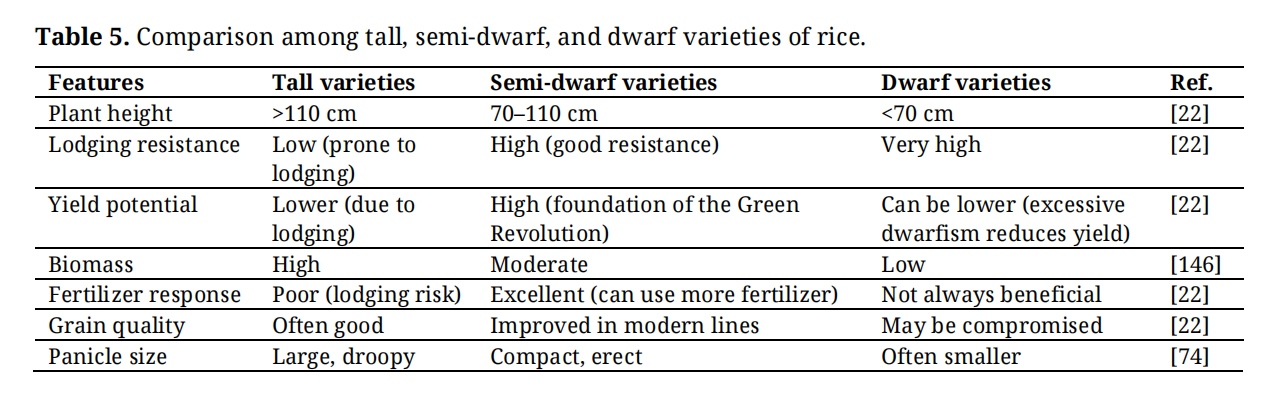 Table 5. Comparison among tall, semi-dwarf, and dwarf varieties of rice.
Semi-dwarfism has brought a significant change in global rice production, yet it presents different challenges that require new research.
Genetic BottleneckThe extensive and worldwide use of a single dwarfing gene has created a genetic bottleneck in the background of modern rice varieties [19]. The near-universal deployment of loss-of-function alleles of SD1 created the most consequential genetic bottleneck in modern rice breeding. The great majority of high-yielding varieties released since the 1960s trace their semi-dwarf stature to this single locus [20]. The recurrent use extends well beyond a simple reduction in allelic richness. First, the shared SD1 background has increased the probability that pests or pathogens evolving virulence against one variety will rapidly compromise large geographic areas planted to related cultivars, an outcome already observed with successive breakdowns of blast and bacterial-blight resistance in SD1-carrying backgrounds. [19,147]. Second, disruption of late gibberellin biosynthesis produces well-documented pleiotropic costs. It reduces spikelet fertility, smaller panicles and, under certain environments, diminished seedling vigor and stress resilience. Third, the bottleneck has constrained further genetic gain; once most elite germplasm already carries SD1, additional height reduction or lodging resistance must be sought from alternative loci, yet the narrow genetic base limits the pool of compatible donors and increases the risk of linkage drag [20].
Undesirable TraitSome mutants demonstrate undesirable traits, for example, low fertility or excessive dwarfism, decreasing the adaptation capability in breeding programs. Additionally, achieving the ideal canopy structure is difficult, and the reduction of height can hamper the efficiency of photosynthesis and yield potential in a particular environment [148,149].
Challenges with Semi-Dwarf GenesThe semi-dwarf genes are less versatile. Most available semi-dwarf genes are not widely adaptable or can cause pleiotropic effects, complicating breeding across diverse agro-ecological zones [147]. These modified varieties are highly responsive to environmental conditions like temperature, water supply, and nutrient levels, requiring extensive testing across multiple sites prior to commercial release [27].
Challenges in CRISPRTraditional molecular cloning is restricted to short, fixed palindromic recognition sequences, which prevents cleavage at arbitrary target sites and leaves sequence scars at junction borders. In contrast, CRISPR-Cas genome editing offers precise methods for developing semi-dwarf rice lines. However, some challenges also persist, including off-target mutations arising from imperfect guide-RNA specificity, mosaicism, which necessitates additional generations of backcrossing to obtain stable homozygous mutants, along with limited efficiency of HDR for precise allele replacement or knock-in events [150,151]. Regulatory hurdles remain an important additional barrier [152]. Although CRISPR can ultimately yield transgene-free edited lines, the initial delivery step almost invariably employs Agrobacterium- or particle-bombardment-mediated introduction of a binary vector that carries the Cas9/gRNA expression cassette together with a selectable marker gene (commonly hygromycin- or kanamycin-resistance) and, in many constructs, a reporter gene [153]. Even after segregation of the T-DNA, residual fragments of the selectable marker, reporter, or vector backbone may persist at levels undetectable by routine PCR [154]. In process-based regulatory frameworks still applied in several jurisdictions, any organism that has passed through a transgenic intermediate step is classified as a genetically modified organism (GMO) regardless of the final absence of foreign DNA [152]. Consequently, developers must perform extensive molecular characterization (including whole-genome sequencing) across multiple generations to demonstrate the complete absence of selectable markers, reporters, and vector sequences before regulatory clearance can be obtained [155]. These requirements substantially increase time, cost, and uncertainty surrounding the commercialization of CRISPR-derived semi-dwarf rice [156].
However, a comparative table (Table 6) has been added to address generation time, the importance of homozygosity, the number of generations typically required, and the shared drawback of relying on selectable and reporter markers between CRISPR-Cas9 genome editing and genetic transformation.
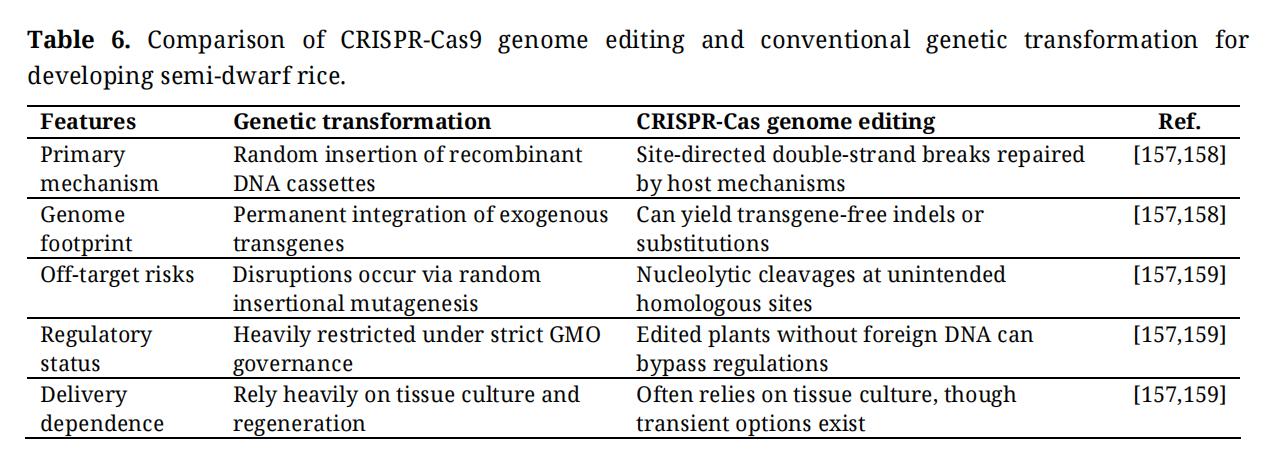 Table 6. Comparison of CRISPR-Cas9 genome editing and conventional genetic transformation for developing semi-dwarf rice.
Despite the clear potential of AI to accelerate the development of improved semi-dwarf rice varieties, several issues continue to shape how quickly these tools are adopted within the improvement of rice through semi-dwarfism. A persistent concern is the limited transparency of high-performing deep learning models. Breeders and biologists are often hesitant to rely on predictions for key traits when the biological reasoning behind those predictions is unclear [160]. Additionally, the long-term aim is to develop semi-dwarf rice varieties that perform consistently under defined environmental conditions. Achieving this goal requires moving beyond genomic data alone to capture the full interaction among genotype, environment, and management [161].
To overcome these challenges, diversification is needed in the gene pool. Broadening the genetic base through the incorporation of diverse dwarfing genes and alleles from wild rice relatives and landraces is essential, boosting both diversity and stress resilience in cultivated varieties [19,148]. Alleles of SLR1, D60, DLT, OsGSK2, D53, and others can produce moderate stature reduction with different patterns of internode shortening, erect-leaf architecture, or tillering, thereby offering routes to restore genetic diversity while mitigating the fertility and stress-tolerance penalties sometimes associated with classical SD1 mutants [149]. Critically, the value of these alternatives lies not merely in their existence but in their capacity to be pyramided with, or substituted for, SD1 under defined environmental and management regimes, an objective that demands systems-level understanding rather than single-gene substitution [19,162].
Modifications in Genome Editing StrategiesMolecular markers combined with gene editing technologies offer a promising way to speed up the development of semi-dwarf lines tailored to local needs for productivity, disease resistance, and climate resilience [58,163]. Advanced precision tools like prime editing and refined transformation protocols are vital to mitigate off-target effects, mosaicism, and regulatory ambiguities [150]. Ultimately, deploying climate-resilient, semi-dwarf rice with superior pest and disease tolerance will drive sustainable intensification of global rice production systems.
Overcoming AI Transparency and Integration BarriersContinued progress on explainable AI approaches provides both accurate predictions and interpretable outputs. Models such as Cropformer, which generate attention scores highlighting genomic regions that drive specific predictions, illustrate how computational performance can be linked to biological insight [140]. This transparency is essential for building trust and encouraging wider use among practitioners. Subsequently, future AI frameworks must combine genomics, transcriptomics, and phenomics with detailed environmental data. Early studies that integrate genetic information with weather records and soil characteristics already show improved prediction of yield responses under stress. By bringing these diverse data sources together, AI can support a shift from selecting generally high-yielding lines to designing semi-dwarf cultivars tailored to specific climates and management systems, with direct benefits for farmers in target regions [132].
The development of semi-dwarfism in rice, driven primarily by loss-of-function alleles of the SD1 gene, has profoundly influenced global crop production since the Green Revolution. However, exclusive reliance on SD1 has narrowed the genetic diversity of rice, increasing susceptibility to pests, diseases, and environmental stresses. This review highlights that a growing repertoire of alternative genes involved in GA and BR pathways now offer opportunities to achieve semi-dwarf stature with greater genetic diversity and fewer negative pleiotropic effects. Subsequently, recent advances in molecular breeding and genome-editing technologies such as CRISPR-Cas9 provide a powerful route for precise modification of these genes and can generate transgene-free edited lines, yet off-target effects, mosaicism, and regulatory constraints must still be carefully managed. Parallel advances in artificial intelligence and machine learning are accelerating the identification of novel genes and improving phenotyping and genomic prediction. Though semi-dwarfs generally improve higher and more stable yields under intensive management in many tropical and subtropical environments, these advantages are not universal. Under low-input conditions, certain tall landraces may outperform modern semi-dwarfs, and excessive height reduction can impair seedling vigor, canopy light interception, or stress resilience. However, future progress will depend on the deliberate integration of diverse semi-dwarfing alleles, precision genome editing, and AI-guided breeding strategies to develop high-yielding, lodging-resistant, climate-resilient rice varieties that can assist in solving the present challenges in rice breeding.
All data are available in the manuscript.
The authors declare that they have no conflicts of interest.
Not applicable.
The review work has been conducted as groundwork for the project “BAS-USDA JU CP-08.”
1.
2.
3.
4.
5.
6.
7.
8.
9.
10.
11.
12.
13.
14.
15.
16.
17.
18.
19.
20.
21.
22.
23.
24.
25.
26.
27.
28.
29.
30.
31.
32.
33.
34.
35.
36.
37.
38.
39.
40.
41.
42.
43.
44.
45.
46.
47.
48.
49.
50.
51.
52.
53.
54.
55.
56.
57.
58.
59.
60.
61.
62.
63.
64.
65.
66.
67.
68.
69.
70.
71.
72.
73.
74.
75.
76.
77.
78.
79.
80.
81.
82.
83.
84.
85.
86.
87.
88.
89.
90.
91.
92.
93.
94.
95.
96.
97.
98.
99.
100.
101.
102.
103.
104.
105.
106.
107.
108.
109.
110.
111.
112.
113.
114.
115.
116.
117.
118.
119.
120.
121.
122.
123.
124.
125.
126.
127.
128.
129.
130.
131.
132.
133.
134.
135.
136.
137.
138.
139.
140.
141.
142.
143.
144.
145.
146.
147.
148.
149.
150.
151.
152.
153.
154.
155.
156.
157.
158.
159.
160.
161.
162.
163.
Shuvo MN, Ahmed S, Sarker S, Alif MI, Hefferon K, Shohael AM. Integrating Frontier Technologies to Achieve Semi-Dwarfism in Rice: Highlights on Genome Editing and Artificial Intelligence. Crop Breed Genet Genom. 2026;8(4):e260024. https://doi.org/10.20900/cbgg20260024.

Copyright © Hapres Co., Ltd. Privacy Policy | Terms and Conditions


