Location: Home >> Detail
J Psychiatry Brain Sci. 2026;11(6):e260019. https://doi.org/10.20900/jpbs.202600019
 ,
Andrea De Angelis 1,2 ,
Niruj Agrawal 1,2,3 ,
Bruce Tamilson 1,2,3,4 ,
1
2
3
4
*
Psychiatric presentations in patients with neurological conditions are common and are typically managed within specialist neuropsychiatric clinics. This study aimed to describe recorded psychiatric diagnoses and somatic symptoms, assess current depressive and anxiety symptom severity, and examine correspondence between recorded diagnoses and symptom scores among specialist neuropsychiatric outpatients. A descriptive cross-sectional study was conducted at a tertiary regional neuropsychiatry outpatient clinic in London. Of 166 patients invited, 79 were included in the study cohort; complete PHQ-9 and GAD-7 responses were available for 76 and 78 participants, respectively. Participants completed a standardised questionnaire capturing demographic information, PHQ-9 and GAD-7 scores. Among participants with FND, 58/63 (92.1%) reported at least mild depressive symptoms (PHQ-9 ≥ 5), while 36/64 (56.3%) reported moderate or higher anxiety symptoms (GAD-7 ≥ 10). These descriptive findings illustrate psychiatric and somatic assessment needs within a specialist cohort. Whether routine symptom screening or integrated care pathways improve patient outcomes requires prospective evaluation.
Neuropsychiatric conditions encompass a broad spectrum of disorders at the interface between neurology and psychiatry. These include functional neurological disorder (FND), epilepsy, neurodegenerative and neurovascular diseases, and the psychiatric sequelae of neurotrauma, neuro-oncological disease and neurosurgical interventions. Patients may present with overlapping neurological, cognitive, behavioural, emotional and somatic symptoms, requiring assessment that integrates neurological and psychiatric perspectives. Psychiatric disorders are common across neurological populations and may increase disability, complicate treatment, reduce quality of life, increase healthcare utilisation and contribute substantially to the overall burden of illness [1].
Depressive and anxiety disorders are among the most frequently encountered psychiatric comorbidities in neurological practice, although their prevalence varies according to the neurological condition, clinical setting and method of assessment. In epilepsy, systematic review evidence demonstrates a substantial prevalence of depressive disorders, while epidemiological evidence suggests that the relationship between epilepsy and psychiatric illness may be bidirectional [1,2]. Psychiatric symptoms may also remain under-recognised within neurological services because affective, cognitive and somatic symptoms frequently overlap with neurological disease, while clinical attention is often directed primarily towards neurological diagnosis and physical symptom management [3].
FND represents a particularly complex condition within neuropsychiatric practice. It is characterised by neurological symptoms associated with clinical evidence of altered nervous-system functioning rather than structural neurological pathology sufficient to account for the presentation. Contemporary approaches emphasise that FND can be diagnosed positively through characteristic clinical features rather than solely through the exclusion of other neurological disorders [4,5]. Its development and persistence are understood within an integrated biopsychosocial framework involving interactions between neurobiological processes, attention, expectations, previous illness or injury, psychological factors and the wider social context. Psychological trauma or identifiable stress may be relevant for some patients but is neither universally present nor required for diagnosis.
Psychiatric and somatic comorbidities are frequently observed in people with FND. Depression, anxiety, post-traumatic stress symptoms and other psychiatric disorders commonly coexist with chronic pain, fatigue, sleep disturbance, headache and additional functional symptoms. The prevalence and nature of these comorbidities vary across functional seizures, functional movement disorders, functional weakness and other FND phenotypes [6,7]. Recognition of this heterogeneity is clinically important because psychiatric and somatic comorbidities contribute substantially to disability, treatment needs and overall quality of life.
Despite the close relationship between neurological and psychiatric morbidity, access to specialist neuropsychiatric assessment remains inconsistent. Previous evaluation of service provision in London identified substantial variability in neuropsychiatry pathways, significant unmet need and organisational and funding barriers to care [8]. Effective neuropsychiatric care therefore requires assessment that extends beyond neurological diagnosis to identify psychiatric disorders, psychological distress and associated somatic symptoms that may influence disability, rehabilitation and treatment planning. Recent literature further suggests that assessment extending beyond depression and anxiety may be necessary to capture the broader spectrum of psychiatric morbidity encountered within neurological populations [3,9].
Although psychiatric comorbidity has been well described in individual neurological disorders, relatively few studies have characterised the full spectrum of psychiatric and somatic comorbidity among patients attending specialist neuropsychiatry outpatient services. Furthermore, little is known about the extent to which routinely documented psychiatric diagnoses reflect patients' current psychological symptom burden when assessed using validated screening instruments. Addressing this gap may improve understanding of patients' unmet mental health needs and inform the organisation of specialist neuropsychiatric services.
The Patient Health Questionnaire-9 (PHQ-9) and Generalised Anxiety Disorder-7 (GAD-7) are brief, validated self-report instruments for assessing the severity of depressive and anxiety symptoms in routine clinical practice [10,11]. Although these measures do not establish psychiatric diagnoses, they provide a standardised method of identifying clinically significant symptoms and may facilitate further assessment, monitoring and referral where appropriate.
This study therefore aimed to characterise the psychiatric and somatic comorbidity of patients attending a specialist tertiary neuropsychiatry outpatient service by describing documented psychiatric diagnoses and associated somatic symptoms, and by assessing the prevalence and severity of current depressive and anxiety symptoms using the PHQ-9 and GAD-7. The study also examined the correspondence between diagnoses documented in current clinical problem lists and contemporaneous depressive and anxiety symptom scores.
A descriptive cross-sectional study was conducted as part of a service evaluation within a tertiary regional neuropsychiatry outpatient clinic in London, United Kingdom. The clinic provides specialist assessment and management for patients with FND and psychiatric presentations associated with neurological, neurosurgical and other neuropsychiatric conditions. The service covers a population of approximately 3.2 million people across South West London and Surrey. Referrals are received from neurologists, psychiatrists, primary care clinicians and other specialist services.
ParticipantsConsecutive adult patients attending the neuropsychiatry outpatient clinic over a six-month period from February 2024 were invited to participate. Patients were eligible if they attended the outpatient clinic during the study period and were able to complete the study questionnaire. Of 166 patients who initially agreed to participate, 73 did not return questionnaires and 14 returned incomplete responses that were excluded, leaving 79 participants in the study cohort. Reasons for questionnaire non-return were not systematically recorded, so explicit refusals could not be distinguished from other reasons for non-response. Questionnaire-specific missing items within the included cohort are described in the Statistical analysis section.
Data CollectionParticipants completed a questionnaire incorporating demographic information together with the validated Patient Health Questionnaire-9 (PHQ-9) and Generalised Anxiety Disorder-7 (GAD-7) instruments. Questionnaires were completed either electronically via email or as paper copies during clinic appointments, according to participant preference.
Neurological diagnoses, psychiatric diagnoses and somatic symptoms were extracted from current electronic clinical problem lists. Somatic categories comprised chronic pain, chronic fatigue, headaches/migraines and sleep problems. Extraction was limited to recorded entries, without independent diagnostic reassessment. A symptom not recorded in the problem list was classified as not documented; this should not be interpreted as confirmed absence. Consistency of symptom recording across clinicians was not assessed.
To supplement clinical problem-list data, self-reported sleep disturbance and fatigue were assessed using PHQ-9 items 3 and 4, respectively. These items assess difficulty falling or staying asleep, or sleeping too much, and tiredness or low energy during the preceding two weeks. Responses indicating symptoms on at least several days (item score ≥ 1) were compared with documented sleep problems and chronic fatigue. Both items were answered by all 79 participants and were analysed individually, irrespective of whether the remaining PHQ-9 items were complete.
Neurological diagnoses and FND subtypes were not mutually exclusive. Where clinically appropriate, patients could receive more than one neurological diagnosis and individuals with FND could be classified into multiple FND subtypes if more than one functional symptom phenotype was present. Consequently, totals within these categories may exceed the total number of study participants.
Outcome MeasuresThe primary outcome measures were:
•
•
•
Secondary outcomes included the frequency of somatic symptoms documented in clinical problem lists and self-reported sleep disturbance and fatigue assessed using PHQ-9 items 3 and 4, respectively.
Assessment InstrumentsPatient Health Questionnaire-9 (PHQ-9): The Patient Health Questionnaire-9 (PHQ-9) is a validated nine-item self-report questionnaire used to screen for depressive symptoms and assess their severity (Kroenke et al. 2001). It does not independently establish a depressive disorder diagnosis. Each item is scored from 0 (‘not at all’) to 3 (‘nearly every day’), producing a total score ranging from 0 to 27. Scores are categorised as minimal (0–4), mild (5–9), moderate (10–14), moderately severe (15–19) and severe (20–27) depressive symptoms. A score of 10 or above is widely accepted as indicating clinically significant depressive symptoms.
Generalised Anxiety Disorder-7 (GAD-7): The Generalised Anxiety Disorder-7 (GAD-7) is a validated seven-item self-report questionnaire used to assess the presence and severity of anxiety symptoms (Spitzer et al., 2006). Each item is scored from 0 (“not at all”) to 3 (‘nearly every day’), producing a total score between 0 and 21. Scores are categorised as minimal (0–4), mild (5–9), moderate (10–14) and severe (15–21) anxiety symptoms. A score of 10 or above is generally considered indicative of clinically significant anxiety warranting further clinical assessment.
Statistical AnalysiOriginal analyses were performed using IBM SPSS Statistics version 27. As this was an exploratory descriptive cross-sectional service evaluation, analyses were primarily descriptive in nature. Continuous variables are presented as means with standard deviations (SD), whilst categorical variables are summarised using frequencies and percentages. For recorded psychiatric diagnoses, percentages were calculated using the number of participants within the relevant neurological diagnostic category as the denominator and are reported as n/N (%). Participants could have multiple psychiatric diagnoses; therefore, percentages within a neurological category need not sum to 100%.
Frequencies and percentages were calculated for recorded neurological and psychiatric diagnoses, PHQ-9 and GAD-7 symptom-severity categories, and somatic symptoms documented in clinical problem lists, both overall and within neurological diagnostic categories. Demographic characteristics of responders and non-responders were also summarised descriptively.
Recorded diagnoses were cross-tabulated against PHQ-9 and GAD-7 scores using a threshold of ≥10 to identify moderate or higher symptom levels. The depression-related comparison included recorded depressive disorders or mixed anxiety and depressive disorder. The anxiety-related comparison included recorded anxiety disorders or mixed anxiety and depressive disorder. Each participant was counted once within each comparison. Counts and percentages were calculated separately for participants with and without a relevant recorded diagnosis.
The study cohort comprised 79 participants. Questionnaire score analyses included only participants with all items completed on the relevant instrument: 76 for the PHQ-9 and 78 for the GAD-7. Participants with incomplete questionnaires remained included in analyses of demographic characteristics and recorded diagnoses. Missing questionnaire responses were not imputed.
Given the exploratory nature of the study, the relatively small sample size and the low numbers within several neurological diagnostic subgroups, formal inferential statistical analyses were not performed. Consequently, no hypothesis testing or multivariable analyses were undertaken, and the findings should be interpreted as descriptive and hypothesis-generating. Subgroup summaries describe recorded diagnostic categories. No conclusions about relative prevalence or symptom burden between categories were drawn.
Ethical ConsiderationsThis study was conducted as a service evaluation/quality improvement project and was reviewed by the Trust Research and Development Department. In accordance with institutional policy and the UK Policy Framework for Health and Social Care Research, the project was classified as a service evaluation and formal Research Ethics Committee approval was therefore not required.
All participants received a written participant information sheet outlining the purpose of the study, study procedures, data handling and arrangements to protect confidentiality before providing written informed consent. Participation was entirely voluntary, and participants were informed that declining participation would not affect their clinical care. All data were anonymised prior to analysis and reporting. The study was conducted in accordance with the ethical principles of the Declaration of Helsinki (1975, revised 2013).
Of 166 patients invited, 79/166 (47.6%) were included in the study cohort, 73/166 (44.0%) did not return questionnaires and 14/166 (8.4%) returned incomplete responses and were excluded. Among included participants, complete PHQ-9 responses were available for 76/79 (96.2%) and complete GAD-7 responses for 78/79 (98.7%).
The cohort included 51/79 (64.6%) females, 27/79 (34.2%) males and one participant who did not disclose their gender (1/79, 1.3%). The mean age was 40.6 years (SD 13.8). Participants aged under 30 years comprised 17/79 (21.5%), those aged 30–60 years comprised 51/79 (64.6%), and those aged over 60 years comprised 11/79 (13.9%) (Table 1).
White British or other White ethnicity was recorded in 67/79 (84.8%) participants, Asian British or other Asian ethnicity in 6/79 (7.6%), Mixed or Multiple ethnic groups in 3/79 (3.8%), Black British or other Black ethnicity in 2/79 (2.5%), and other ethnic groups in 1/79 (1.3%) (Table 2).
The comparison group comprised all 87 patients not included in the study cohort: 73 who returned no questionnaire and 14 whose responses were excluded as incomplete. This group included 58/87 (66.7%) females and 29/87 (33.3%) males, with a mean age of 42.2 years, compared with 40.6 years among included participants. White British or other White ethnicity was recorded in 65/87 (74.7%), compared with 67/79 (84.8%) among included participants (Table 2). Recorded neurological diagnoses among those not included comprised FND in 62/87 (71.3%), epilepsy in 19/87 (21.8%) and other neurological conditions in 21/87 (24.1%); these categories were not mutually exclusive. Among included participants, the corresponding counts were 64/79 (81.0%), 15/79 (19.0%) and 12/79 (15.2%), respectively. These comparisons were descriptive and do not exclude differences in unmeasured characteristics.
 Table 1. Age and Gender Distribution.
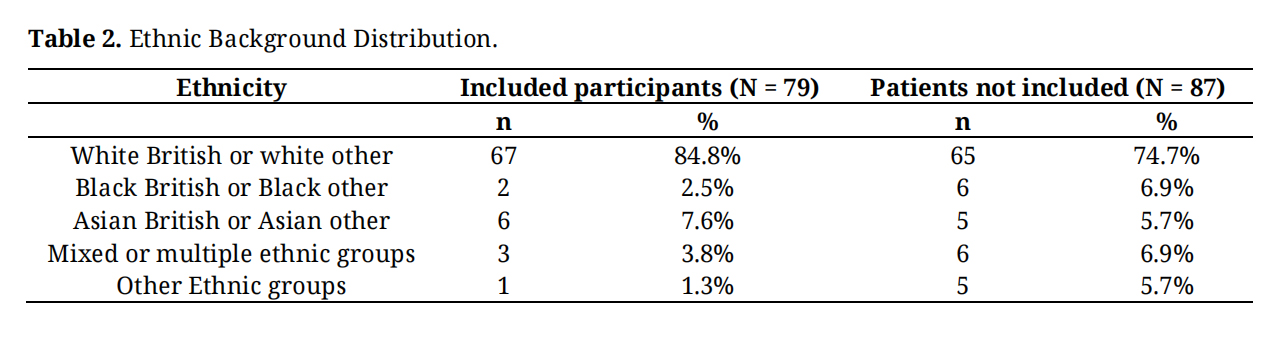 Table 2. Ethnic Background Distribution.
Patients not included comprise 73 questionnaire non-responders and 14 patients excluded because of incomplete responses
Neurological Diagnoses and Psychiatric ComorbiditiesThe study cohort included 64 patients with FND, 15 patients with epilepsy and 12 patients with other neurological conditions, accounting for 16 recorded diagnoses across those categories. Diagnostic categories were not mutually exclusive, and some patients had more than one neurological diagnosis. Similarly, patients with FND could be classified into more than one FND subtype where multiple functional symptom phenotypes were present.
Recorded dissociative subtypes included dissociative convulsions (n = 39), mixed dissociative disorders (n = 16), dissociative motor disorders (n = 11) and other dissociative disorders (n = 5). Other neurological diagnoses included neuro-oncological disorders (n = 5), neurovascular disorders (n = 4), neurotrauma (n = 3), neurosurgical sequelae (n = 2), neuroinflammatory or infectious disorders (n = 1) and neurodegenerative disease (n = 1).
Among the 64 participants with FND, recorded psychiatric diagnoses included anxiety disorders in 19/64 (29.7%), depressive disorders in 16/64 (25.0%), neurodevelopmental disorders in 13/64 (20.3%), personality disorders in 9/64 (14.1%) and post-traumatic stress disorder (PTSD) in 7/64 (10.9%). Autism spectrum disorder was recorded in 7/64 (10.9%) and attention-deficit/hyperactivity disorder (ADHD) in 8/64 (12.5%); these diagnoses were not mutually exclusive.
Among participants with dissociative convulsions, depressive disorders were recorded in 12/39 (30.8%), anxiety disorders in 10/39 (25.6%) and neurodevelopmental disorders in 10/39 (25.6%). Among participants with dissociative motor disorders, anxiety disorders were recorded in 4/11 (36.4%) and personality disorders in 3/11 (27.3%). These categories overlapped and were not treated as independent comparison groups.
Among participants with epilepsy, depressive disorders were recorded in 5/15 (33.3%) and anxiety disorders in 2/15 (13.3%). Among the five participants with neuro-oncological conditions, one had a recorded depressive disorder, one had bipolar affective disorder and one had PTSD; these diagnoses were not necessarily recorded in different individuals. Depressive disorders were recorded in three of the four participants with neurovascular conditions. Findings in these small categories are presented descriptively and should not be interpreted as stable prevalence estimates.
Mixed anxiety and depressive disorder was retained as a separate category in the descriptive diagnostic summaries but was included in both the depression related and anxiety related comparisons with questionnaire scores, as defined in the statistical analysis section.
Anxiety and Depressive Symptom SeverityValues are n/N (%), where N is the number with a complete questionnaire within the relevant diagnostic category. Percentages of 0% and 100% are omitted. Counts and denominators are retained.
The cohort comprised 79 participants with complete PHQ-9 and GAD-7 responses available for 76 and 78 participants, respectively. Missing items were not imputed. Neurological categories and dissociative subtypes overlap, so participants may contribute to more than one row. ‘—’ indicates that no complete questionnaire was available. Subtype membership follows the supplied diagnostic fields. One participant had an ‘other dissociative disorder’ recorded without the overall FND flag. Percentages may not sum to 100% because of rounding. Findings in small categories should not be interpreted as stable prevalence estimates.
Depressive and anxiety symptom scores are presented within each recorded neurological diagnostic category in Table 3. Categories overlap and should not be interpreted as independent comparison groups.
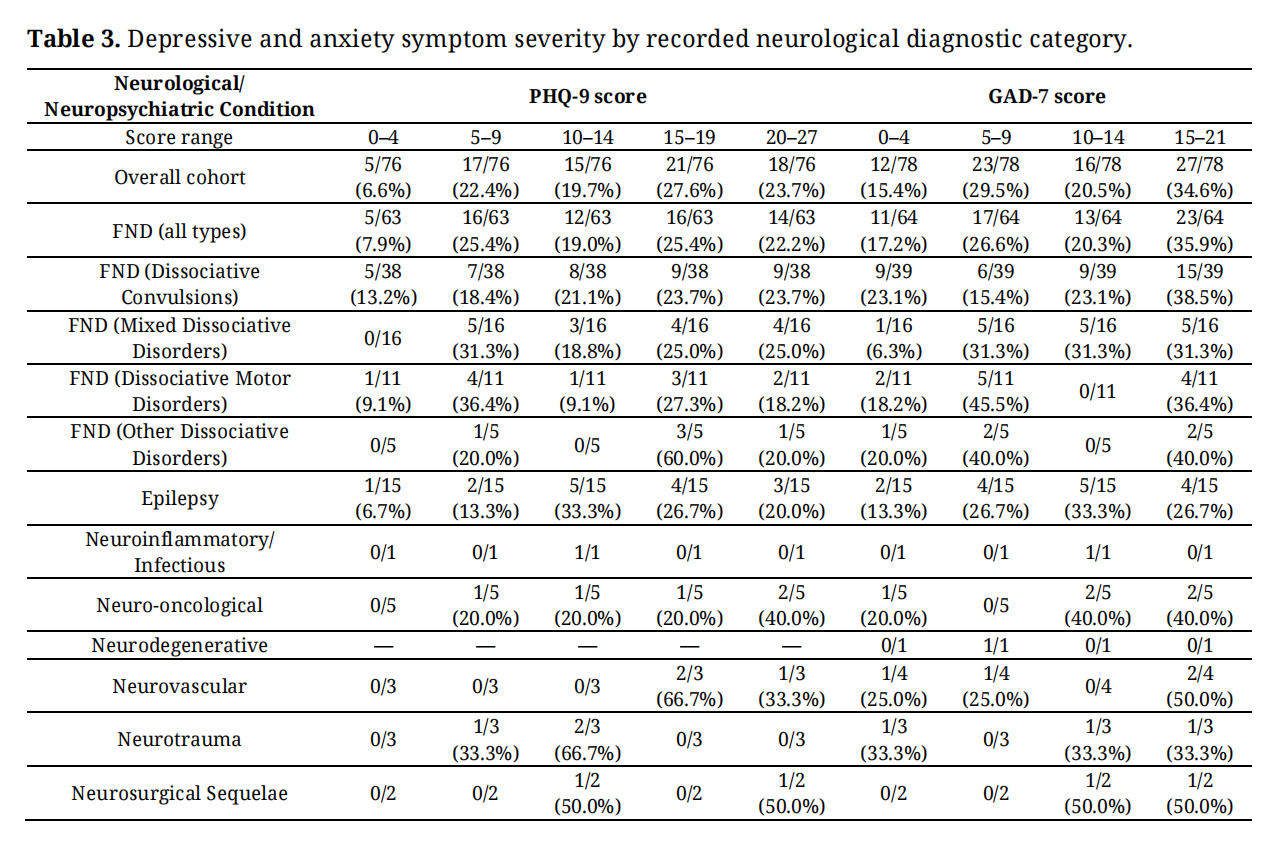 Table 3. Depressive and anxiety symptom severity by recorded neurological diagnostic category.
Within the FND group, 30/63 (47.6%) participants with complete PHQ-9 responses scored ≥ 15, comprising 16/63 (25.4%) with moderately severe symptoms and 14/63 (22.2%) with severe symptoms. Minimal depressive symptoms were reported by 5/63 (7.9%). Among participants with FND, 23/64 (35.9%) scored within the severe anxiety range (GAD-7 15–21), while 11/64 (17.2%) reported minimal anxiety symptoms.
Among participants with dissociative convulsions, 18/38 (47.4%) with complete PHQ-9 responses scored ≥ 15, while 15/39 (38.5%) with complete GAD-7 responses scored within the severe anxiety range. Among participants with mixed dissociative disorders, 8/16 (50.0%) scored within the moderately severe or severe depressive symptom categories and 5/16 (31.3%) within the severe anxiety category. Among participants with dissociative motor disorders, 4/11 (36.4%) reported severe anxiety symptoms.
Among participants with epilepsy, 3/15 (20.0%) reported severe depressive symptoms (PHQ-9 20–27) and 4/15 (26.7%) moderately severe depressive symptoms. Severe anxiety symptoms were reported by 4/15 (26.7%), and moderate anxiety symptoms by 5/15 (33.3%).
The remaining neurological diagnostic groups demonstrated more variable symptom profiles, although interpretation is limited by the small numbers within individual diagnostic categories.
Correspondence between Recorded Diagnoses and Symptom ScoresAmong participants with complete PHQ-9 responses, 28/76 (36.8%) had a recorded depressive disorder or mixed anxiety and depressive disorder, while 54/76 (71.1%) scored ≥ 10. Of the 28 participants with a relevant recorded diagnosis, 25/28 (89.3%) scored ≥ 10; among the 48 without such a diagnosis, 29/48 (60.4%) scored ≥ 10 (Table 4).
Among participants with complete GAD-7 responses, 30/78 (38.5%) had a recorded anxiety disorder or mixed anxiety and depressive disorder, while 43/78 (55.1%) scored ≥ 10. Of the 30 participants with a relevant recorded diagnosis, 16/30 (53.3%) scored ≥ 10; among the 48 without such a diagnosis, 27/48 (56.3%) scored ≥ 10. These comparisons describe correspondence between clinical documentation and current symptom scores, rather than diagnostic accuracy.
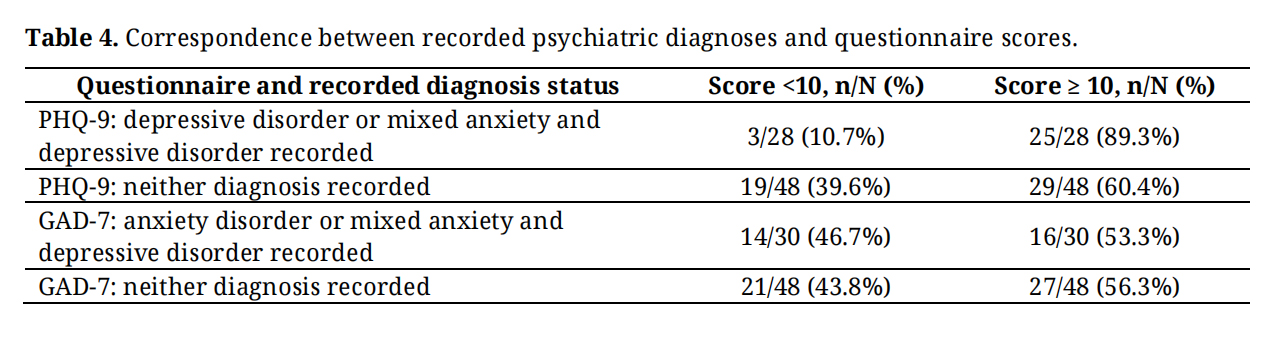 Table 4. Correspondence between recorded psychiatric diagnoses and questionnaire scores.
Percentages use the number of participants in each row as the denominator. Analyses include complete PHQ-9 questionnaires (n = 76) and complete GAD-7 questionnaires (n = 78). Mixed anxiety and depressive disorder contribute to both comparisons, with each participant counted once within each comparison. Scores ≥ 10 indicate moderate or higher symptoms and do not establish a psychiatric diagnosis.
Recorded Somatic Symptoms and Self-Reported Sleep Disturbance and FatigueSomatic symptoms documented in clinical problem lists are shown by neurological category in Figure 1. Across the cohort, headaches/migraines were recorded in 16/79 (20.3%), chronic pain in 6/79 (7.6%), chronic fatigue in 5/79 (6.3%) and sleep problems in 5/79 (6.3%).
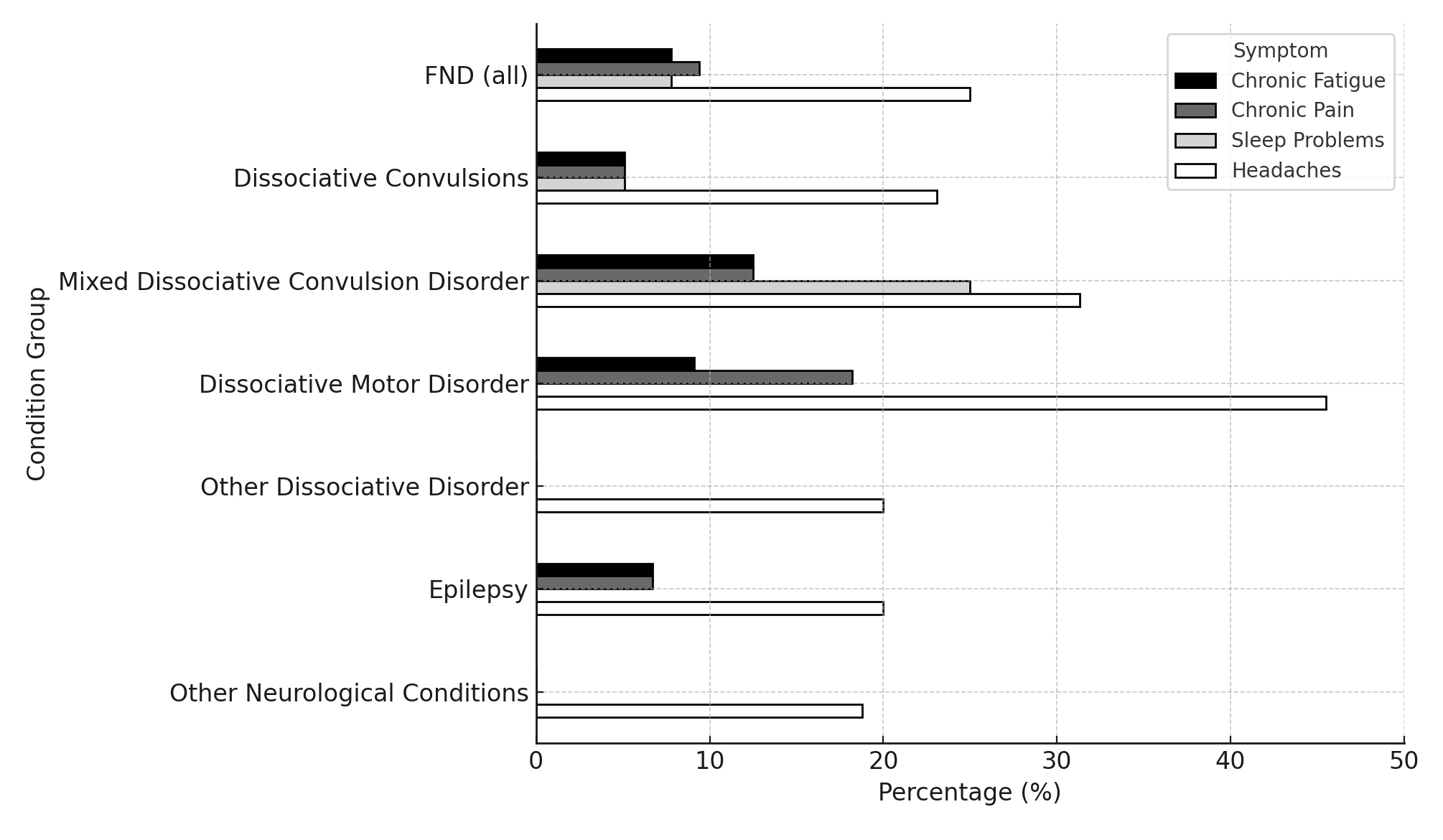 Figure 1. Somatic symptoms documented in clinical problem list by neurological diagnostic category.
On PHQ-9 item 3, 69/79 (87.3%) reported sleep disturbance on at least several days during the preceding two weeks. On item 4, 76/79 (96.2%) reported tiredness or low energy at this frequency. Sleep disturbance was reported by 64 participants without documented sleep problems, and fatigue was reported by 71 without documented chronic fatigue (Table 5).
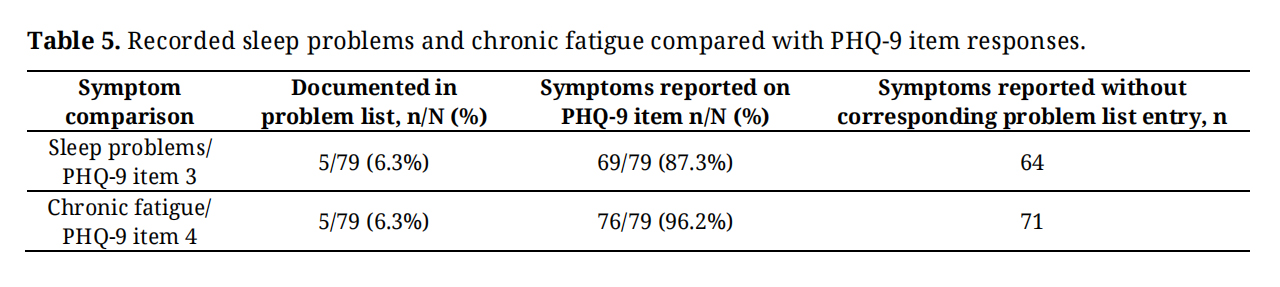 Table 5. Recorded sleep problems and chronic fatigue compared with PHQ-9 item responses.
Symptoms were considered reported when the item score was ≥1, indicating occurrence on at least several days during the preceding two weeks. Both items were available for all 79 participants. Clinical problem list entries and questionnaire responses assess different aspects and time frames of symptoms. Reporting a symptom does not establish a chronic condition or a missed diagnosis.
This study described recorded psychiatric diagnoses and current depressive and anxiety symptoms among patients attending a specialist tertiary neuropsychiatry outpatient service. Depression, anxiety, PTSD, personality disorders and neurodevelopmental conditions were represented in the cohort. The findings describe observed patterns within recorded neurological categories rather than establishing differences between conditions. Most participants had FND, diagnostic categories overlapped, and several categories contained few participants. Recorded psychiatric diagnoses did not fully correspond with contemporaneous self-reported symptom scores.
The psychiatric diagnoses and symptoms recorded among participants with FND are consistent with literature describing psychiatric comorbidity in this population. Recent reviews have described high rates of depression, anxiety disorders, trauma-related disorders, personality disorders and other psychiatric conditions across FND populations, together with a substantial burden of somatic symptoms including pain, fatigue and sleep disturbance [6,7]. However, psychiatric comorbidity should not be interpreted as evidence that FND is solely psychological in origin. Contemporary models conceptualise FND as a disorder of altered nervous system functioning involving disruption of networks responsible for attention, emotion, agency, interoception and predictive processing, with biological, psychological and social factors contributing differently between individuals [4,5,12]. This biopsychosocial model acknowledges the importance of psychiatric symptoms without reducing the disorder to a purely psychological explanation.
Depressive, anxiety, trauma-related and other psychiatric diagnoses were documented among participants with dissociative convulsions. Previous reviews describe variation in psychiatric comorbidity across FND phenotypes [6,7]. However, the present study cannot establish differences between phenotypes because subtype membership overlapped and subgroup sizes were small. Such variation highlights the heterogeneity of FND and reinforces the importance of individualised clinical formulation rather than assuming a uniform psychiatric profile across all functional symptom presentations. Recognition of psychiatric comorbidity may influence treatment planning, symptom management and rehabilitation, while care should be taken to avoid diagnostic overshadowing whereby psychiatric diagnoses detract from the positive neurological diagnosis and appropriate neurological management of FND.
Trauma-related conditions were also represented within the FND group. Trauma should not be regarded as a universal explanation for FND; nevertheless, a substantial body of evidence indicates that adverse life events and childhood trauma occur more frequently in patients with FND than in healthy or neurological control populations [13]. More recent large-scale electronic health record studies similarly suggest that adverse life events represent one of several interacting biopsychosocial factors associated with FND rather than a prerequisite for its development [14]. Furthermore, patients with coexisting PTSD or significant childhood adversity may experience greater symptom severity, poorer physical health and increased disability [15]. These findings support a trauma-informed approach in which clinicians enquire sensitively about trauma when clinically appropriate while avoiding assumptions that trauma is universal or required to validate the diagnosis.
Neurodevelopmental conditions, including autism spectrum disorder and ADHD, were also documented within the FND cohort. Autism and ADHD were not mutually exclusive, and several patients had both diagnoses. Emerging evidence suggests that autism occurs more frequently in people with FND than would be expected from general population estimates [16,17]. Although the mechanisms underlying this association remain uncertain, proposed explanations include differences in sensory processing, emotional awareness, cognitive flexibility, social communication and previous adverse health experiences. These factors should be regarded as potential contributors to individual vulnerability and clinical presentation rather than established causal mechanisms.
Recognition of neurodevelopmental conditions may have important implications for clinical management. Adaptations to communication style, sensory environment, predictability of care and the pace of rehabilitation or psychological interventions may improve engagement and treatment outcomes. Failure to recognise autism or ADHD may contribute to diagnostic overshadowing, misunderstanding of behaviour and reduced therapeutic engagement. Nevertheless, the relatively small number of neurodevelopmental diagnoses within the present cohort means that conclusions regarding prevalence and clinical significance should be interpreted cautiously and require confirmation in larger prospective studies.
Patients with epilepsy also experienced substantial depressive and anxiety symptoms. This finding is consistent with extensive evidence demonstrating a bidirectional relationship between epilepsy and psychiatric disorders [2,18]. Depression and anxiety may precede seizure onset, develop following the diagnosis of epilepsy, or arise through shared neurobiological mechanisms, medication effects and psychosocial consequences of living with an unpredictable neurological condition. Fear of recurrent seizures, loss of independence, social stigma and restrictions on employment or driving may further contribute to psychological distress. Psychiatric comorbidity in epilepsy is clinically important because it has consistently been associated with poorer quality of life, reduced treatment adherence and less favourable seizure-related outcomes.
Although participant numbers were relatively small within the neurovascular, neurotraumatic, neuro-oncological, neurosurgical and neurodegenerative groups, psychiatric symptoms were identified across all neurological diagnostic categories. This observation supports previous work demonstrating that psychiatric disorders are common throughout neurological practice rather than being confined to FND and epilepsy [1,19]. Depression and anxiety may be particularly challenging to recognise because cognitive, behavioural and somatic symptoms frequently overlap with neurological illness itself. Psychiatric symptoms may arise through the combined effects of neurological injury, disability, altered social roles, uncertainty regarding prognosis and treatment burden. Although the present study was not powered to estimate prevalence within these smaller diagnostic groups, the findings reinforce the importance of maintaining a broad awareness of psychiatric morbidity across neurological disorders.
The patient-level comparison demonstrated that recorded psychiatric diagnoses did not fully correspond with contemporaneous self-reported symptoms. Among participants without a recorded depressive disorder or mixed anxiety and depressive disorder, 29/48 (60.4%) had PHQ-9 scores ≥ 10. Among those without a recorded anxiety disorder or mixed anxiety and depressive disorder, 27/48 (56.3%) had GAD-7 scores ≥ 10. Conversely, some participants with recorded diagnoses scored below these thresholds. These findings do not establish missed diagnoses or diagnostic error. Differences may reflect symptom fluctuation, treatment effects, differences between diagnostic criteria and questionnaire thresholds, and the contribution of neurological or somatic symptoms to questionnaire scores.
The PHQ-9 and GAD-7 are screening instruments rather than diagnostic interviews. Elevated scores indicate symptom levels warranting clinical consideration but do not establish depressive or anxiety disorders. Sleep disturbance, fatigue, concentration difficulties and psychomotor symptoms may also reflect neurological illness or disability. Conversely, a participant with a recorded psychiatric diagnosis may have low current scores because of treatment or symptom fluctuation. The observed differences therefore describe incomplete correspondence between current symptom scores and documented diagnosis. They do not quantify missed diagnoses or establish under-recognition.
Assessment limited to depression and anxiety may still underestimate the complexity of psychiatric morbidity within neurological populations. A recent study of consecutive neurological inpatients demonstrated that multidimensional psychiatric assessment identified clinically significant somatisation, obsessive-compulsive symptoms, interpersonal sensitivity and other forms of psychological distress in addition to depression and anxiety [9]. Similarly, recent reviews have emphasised that depression frequently remains under-recognised within neurological services and advocate systematic identification alongside integrated neurological and psychiatric management [3,18]. Taken together, these findings suggest that screening instruments such as the PHQ-9 and GAD-7 should form one component of a broader neuropsychiatric assessment that also considers trauma-related symptoms, neurodevelopmental conditions, substance use, cognitive impairment, psychotic symptoms, personality factors and risk.
Pain, fatigue, sleep disturbance and headache were documented in this cohort, while questionnaire responses indicated frequent recent sleep disturbance and tiredness or low energy. The clinical importance of these symptoms is supported by the wider literature, although their impact on disability, quality of life and treatment outcomes was not measured in this study. A recent systematic review and meta-analysis estimated that 55% of patients with FND reported pain, although estimates varied across studies [20]. Sleep disturbance is similarly common, affecting approximately 58% of individuals with FND according to a recent systematic review, although estimates remain heterogeneous because of differences in study populations and assessment methods [21]. An international online survey also described fatigue, headache, chronic pain and sleep disturbance among respondents with FND [22], while broader reviews of psychiatric and somatic comorbidities have highlighted the importance of recognising these symptoms as part of the overall clinical presentation rather than as isolated complaints [7].
The frequency of somatic symptoms documented in clinical problem lists was substantially lower than the frequency of symptoms reported on the corresponding PHQ-9 items. Sleep disturbance and fatigue were frequently reported without a corresponding problem-list entry, suggesting that problem lists may not fully capture contemporaneous symptom burden. This pattern is compatible with under-documentation but does not establish clinical under-recognition. PHQ-9 items assess symptoms over two weeks and do not establish chronic sleep disorders or chronic fatigue syndromes. Differences in symptom definitions, duration, recording practices and clinical priorities may therefore contribute to the discrepancy. These findings support considering recent self-reported symptoms alongside recorded clinical problems during assessment.
From a service-delivery perspective, the present findings suggest that symptom measures may provide information complementary to recorded clinical diagnoses. Their routine use could be considered as part of broader neuropsychiatric assessment, alongside pathways for clinical review where indicated. However, this study did not evaluate whether screening improves recognition, referral, treatment or patient outcomes. Previous work has described variation and unmet need in neuropsychiatry provision [8], while multidimensional assessment may capture symptoms beyond depression and anxiety [9]. Whether incorporating such assessments into routine care improves service delivery requires prospective evaluation.
Collaboration between neurology, psychiatry, psychology, specialist nursing, occupational therapy, physiotherapy and other rehabilitation professionals may help services address the range of symptoms and recorded conditions described in this cohort. An individualised assessment could consider mood and anxiety symptoms, trauma-related difficulties, neurodevelopmental conditions, cognition, pain, fatigue, sleep, functioning and social participation. The present study did not evaluate the effectiveness of this model. Future evaluations should assess whether integrated pathways improve access to appropriate care and outcomes such as functioning, participation and quality of life, consistent with recommendations on outcome measurement in FND [23].
Strengths and LimitationsThis study has several strengths. It utilised real-world clinical data from a specialist tertiary neuropsychiatry service and included patients representing a broad range of neurological and neuropsychiatric disorders. Use of the validated PHQ-9 and GAD-7 enabled standardised assessment of depressive and anxiety symptom severity across the cohort. Inclusion of individual FND phenotypes also allowed a more detailed description of the clinical presentations encountered within specialist neuropsychiatric practice. Finally, comparison of demographic characteristics between responders and non-responders permitted some assessment of potential response bias.
Several limitations should be acknowledged. First, only 79/166 (47.6%) invited patients were included, creating potential selection and non-response bias. Although some demographic characteristics were similar between included and non-included patients, differences were observed in ethnic composition and recorded neurological diagnoses. Psychiatric symptom severity and reasons for non-return were unavailable for those who did not return questionnaires. Patients with greater distress, disability or difficulties completing questionnaires may have been more or less likely to participate; the direction of any resulting bias cannot be determined. The findings therefore describe the included cohort and should not be assumed to represent all patients attending the service.
Second, this was a single-centre study undertaken within a specialist tertiary neuropsychiatry service. Patients referred to tertiary services are likely to have greater diagnostic complexity and psychiatric morbidity than those managed within general neurology or primary care, limiting the generalisability of the findings to other clinical settings.
Third, several neurological diagnostic groups contained relatively few participants. Percentages calculated from these subgroups may therefore appear disproportionately large despite representing only one or two individuals and should be interpreted cautiously. Neurological diagnoses were not mutually exclusive, and some participants had multiple neurological diagnoses. Likewise, individuals with FND could be classified into more than one FND phenotype, meaning that the same participant could contribute to multiple subgroup summaries.
Fourth, psychiatric diagnoses and somatic symptoms were extracted from routine electronic clinical records rather than established using structured diagnostic interviews or dedicated symptom measures. Differences in documentation between clinicians may therefore have resulted in under-recording or misclassification of psychiatric disorders and associated somatic symptoms.
Fifth, although the PHQ-9 and GAD-7 are well-validated screening instruments, they cannot establish psychiatric diagnoses. Several questionnaire items, including fatigue, sleep disturbance, concentration difficulties and psychomotor symptoms, overlap with manifestations of neurological illness. Consequently, elevated scores may reflect a combination of psychiatric symptoms, neurological disability and associated somatic burden.
Finally, the cross-sectional descriptive design precludes conclusions regarding causality, temporal relationships or prognosis. The study was not designed to determine whether psychiatric symptoms contribute to neurological outcomes or vice versa, nor whether systematic screening improves patient outcomes. Consequently, observed differences between diagnostic groups should be regarded as exploratory and hypothesis-generating.
Future research should utilise larger prospective multicentre cohorts incorporating structured psychiatric assessment alongside validated measures of functioning, disability and quality of life. Longitudinal studies are needed to determine whether psychiatric symptoms predict neurological and functional outcomes, whether systematic screening improves recognition and access to treatment, and whether integrated neuropsychiatric pathways improve quality of life, healthcare utilisation and patient experience. Future studies should also examine psychiatric and somatic comorbidity across individual FND phenotypes to better understand factors associated with prognosis and treatment response.
Recorded psychiatric diagnoses and self-reported depressive and anxiety symptoms were common among participants attending this specialist neuropsychiatry outpatient service. Recorded psychiatric diagnoses did not fully correspond with contemporaneous self-reported symptom scores. This finding should be interpreted in the context of screening instruments’ limitations and the overlap between psychiatric, neurological and somatic symptoms.
Brief symptom measures may complement individualised neuropsychiatric assessment, while broader assessment may help characterise psychiatric and somatic difficulties beyond depression and anxiety. Screening results require clinical interpretation and should not replace comprehensive evaluation.
Routine screening and integrated multidisciplinary pathways are potential approaches for service development. Prospective studies are needed to establish whether they improve recognition, referral, treatment, functioning, quality of life or other patient outcomes.
This study was reviewed by the Trust R&D and was determined to constitute a service evaluation/quality improvement project involving minimal risk to participants. As such, formal ethical approval was waived in accordance with institutional policies and the UK Policy Framework for Health and Social Care Research.
Informed consent was obtained from all individual participants included in the study. Participants were provided with detailed information about the study aims, procedures, and data handling, and participation was entirely voluntary. Participants were informed during the consenting process that anonymised data may be used for research and publication purposes.
Clinical trial number: Not applicable.
Declaration of Helsinki STROBE Reporting GuidelineThe study was conducted in accordance with the principles of the Declaration of Helsinki (1975, as revised in 2013). The Strengthening the Reporting of Observational studies in Epidemiology (STROBE) reporting guideline was followed.
The anonymized datasets generated and/or analysed during the current study are available from the corresponding author on reasonable request.
Conceptualization, LN, ADA and BT; Methodology, LN, ADA; Software, BT; Validation, LN, BT, ADA and NA; Formal Analysis, LN and BT; Investigation, LN; Resources, LN; Data Curation, LN; Writing—Original Draft Preparation, LN; Writing—Review & Editing, BT and LN; Visualization, LN and BT; Supervision, NA and BT; Project Administration, LN; Funding Acquisition, Not applicable.
The authors declare that they have no competing interests. During the preparation of this manuscript, the authors used OpenAI to assist with language editing. All AI-assisted content was reviewed and revised by the authors, who take full responsibility for the accuracy, integrity, and final content of the manuscript.
This research received no specific grant from any funding agency in the public, commercial, or not-for-profit sectors.
1.
2.
3.
4.
5.
6.
7.
8.
9.
10.
11.
12.
13.
14.
15.
16.
17.
18.
19.
20.
21.
22.
23.
Nihoyannopoulos L, De Angelis A, Agrawal N, Tamilson B. Psychiatric and Somatic Co-Morbidities in a Specialist Neuropsychiatry Outpatient Clinic. J Psychiatry Brain Sci. 2026;11(6):e260019. https://doi.org/10.20900/jpbs.20260019.

Copyright © Hapres Co., Ltd. Privacy Policy | Terms and Conditions


