Location: Home >> Detail
J Sustain Res. 2026;8(3):e260059. https://doi.org/10.20900/jsr20260059
 ,
Daniel González-Montoya 3 ,
Jairo Coronado-Hernández 1
,
Daniel González-Montoya 3 ,
Jairo Coronado-Hernández 1
1
2
3
*
Developing capabilities for complex systems require filling the gap between innovation management and engineering. To address this challenge, we propose an integrative macro-conceptual model that links the systems engineering V-Model, diverse readiness level (RL) scale, including relevant innovation theories to systematically interpret the eco-innovation process. An interpretive, abductive case-study design is employed to realize the “EcoTea” project: a Colombian eco-innovation project focused on developing and validating an electric river vessel for operation on the Atrato River in the Chocó region. The framework is supported by documentary evidence across system lifecycles to evaluate the maturity and coordination of technical, environmental, and contextual dimensions. Model applications effectively structure the intended evolution toward a functional prototype, identifying critical milestones including opportunity assessment, technological integration, and stakeholder engagement. The analysis further reveals that RLs progress at different rates, creating coordination challenges that often prioritize technical advancement while exposing gaps in social, regulatory, and market readiness. The proposed framework bridges engineering and business management domains, providing a practical method for guiding eco-innovation. The findings demonstrate that technical success alone is insufficient without alignment with commercial, social, and regulatory maturity at critical decision gates. The findings emphasize the need for proactive public policies that prepare the broader environment for technological adoption.
The acquisition and development of capabilities to create or enhance value underpin organizational competitiveness [1]. To pursue leadership or differentiation, organizations must assess their internal and external environments by identifying strengths, weaknesses, opportunities, and threats, making capability development central to competitive strategy [2,3].
This competitive pursuit requires creative solutions, often driven by the application of scientific advances to develop or strengthen capabilities that advance operational effectiveness [4]. From a systems perspective, efforts to improve a managed sociotechnical system initiate its lifecycle. This process combines theoretical and practical considerations from engineering and innovation fields to transform ideas. from scientific discoveries to tangible solutions, through a process marked by complexity and nonlinearity [5]. This nonlinearity, coupled with social embeddedness, introduces uncertainty and risk [3]. Consequently, success depends not only on technical achievement but also on satisfying user interests [6].
In the literature, engineering and innovation advances have addressed this challenge from various perspectives. Engineering emphasizes practical application models grounded in the understanding of transformation activities, seeking to optimize utility and value through precise quantitative measurement [7–10]. In contrast, innovation research develops theoretical and analytical frameworks that examine the social relationships, interests, and interactions that enable transformation in the material world [3,11]. Accordingly, evaluating the effectiveness of capability development requires an integrative perspective capable of assessing both technical capacities and social dimensions.
Research that bridges these traditions has adopted several approaches. Some have integrated engineering tools into educational settings and diverse contexts [12,13], recognizing the conditions and events necessary for designing effective solutions in complex sociotechnical systems [14,15]. Others have examined the externalities and impacts of technologies to support comprehensive design and management methods [16,17], or emphasize the need to investigate system complexity holistically when developing competitive and effective solutions within broader social structures [18].
Among the available tools, integrative frameworks such as readiness levels (RLs) employ qualitative and quantitative indicators to assess the maturity of technologies and their adoption environments [19–27]. Within eco-innovation, related approaches seek to connect engineering-based measurement tools with organizational decision-making, particularly in transitions toward circularity, including the environmental management system (EMS) and the circular-economy framework (CEF) [28].
However, these integrative approaches remain relatively narrow in scope, highlighting the need for a broader framework to support their effective application and commercial success [28]. Thus, a framework is needed that links technical capability development with the social context of deployment.
To address this gap, this study proposes a macro-conceptual model that frames the interaction between engineering management tools and innovation postulates, identifying factors associated with both technical and commercial success. Applied to the EcoTea case (i.e., an eco-friendly electric vessel), the model provides a holistic view of the complexities involved in technology development across the evolutionary stages of the system lifecycle.
This study offers insights for design and engineering teams, shipyards, engineering firms, technology entrepreneurs, and innovation managers seeking to align value propositions and market conditions with engineering decisions. It also provides a foundation for researchers interested in eco-innovation initiatives.
Bridging engineering and innovation traditions seeks to guide decision-making toward more effective task management and resource allocation, thereby supporting the design of effective and controllable solutions. Achieving this integration of theoretical postulates and practical applications requires an understanding of structure and purpose:
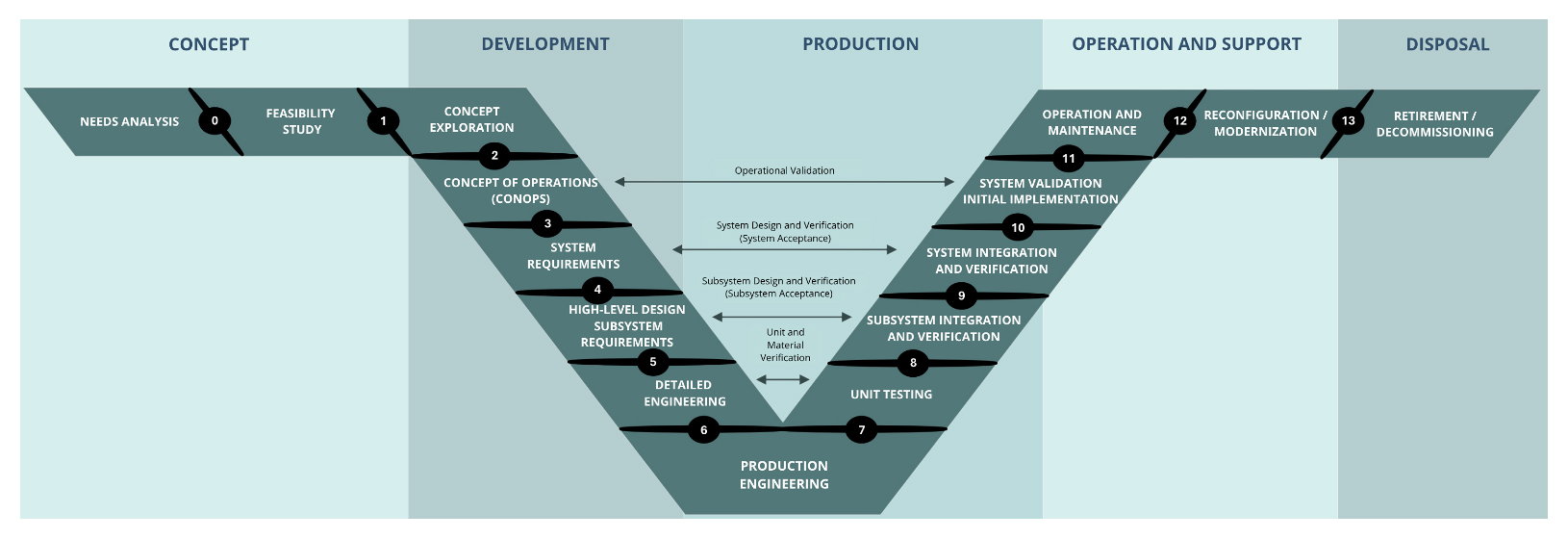
Engineering and Ship LifecycleFrom an engineering perspective, a range of methodological tools supports the management of product and service lifecycles. According to the ISO/IEC/IEEE 15288 standard, the system lifecycle comprises five phases: concept, development, production, utilization and support, and retirement [8]. To address the complexity of system management, several frameworks have been developed to support planning and monitoring across different lifecycle stages.
Driven by sustainability concerns and impact assessments, current research has emphasized the importance of the concept phase for effective management of subsequent stages [29–32]. Hence, several methodologies have emerged to guide design and development, including the design spiral, the incremental commitment spiral model (ICSM), and the waterfall model [7,33,34]. Among these, the V-Model serves as an activity management framework that, although primarily focused on development, identifies the requirements, decisions, and characteristics that connect and enable integrated analysis across lifecycle phases [7,9]. This makes it particularly suitable for guiding design while accounting for downstream stages throughout the system lifecycle (Figure 1).
RLs as Maturity IndicatorsTo assess the readiness of engineered systems, Mankins [35] proposed the technology RL (TRL) scale, which measures the developmental maturity of technologies based on modifications or novel scientific principles. However, technical maturity alone is often insufficient because the application of a developed artifact is inherently linked to its broader context and eventual market diffusion beyond internal organizational planning.
To address this limitation, researchers have introduced a variety of complementary RLs that evaluate the internal and external conditions of developing organizations to determine and coordinate appropriate system deployments and adjustments, thereby reducing the risk of failure [19,21,22]. Because these dimensions evolve simultaneously, the various readiness scales must be assessed and coordinated jointly to determine the overall readiness associated with the market opportunity driving development [19,22]. Table 1 presents the identified scales and their corresponding levels across the system lifecycle phases.
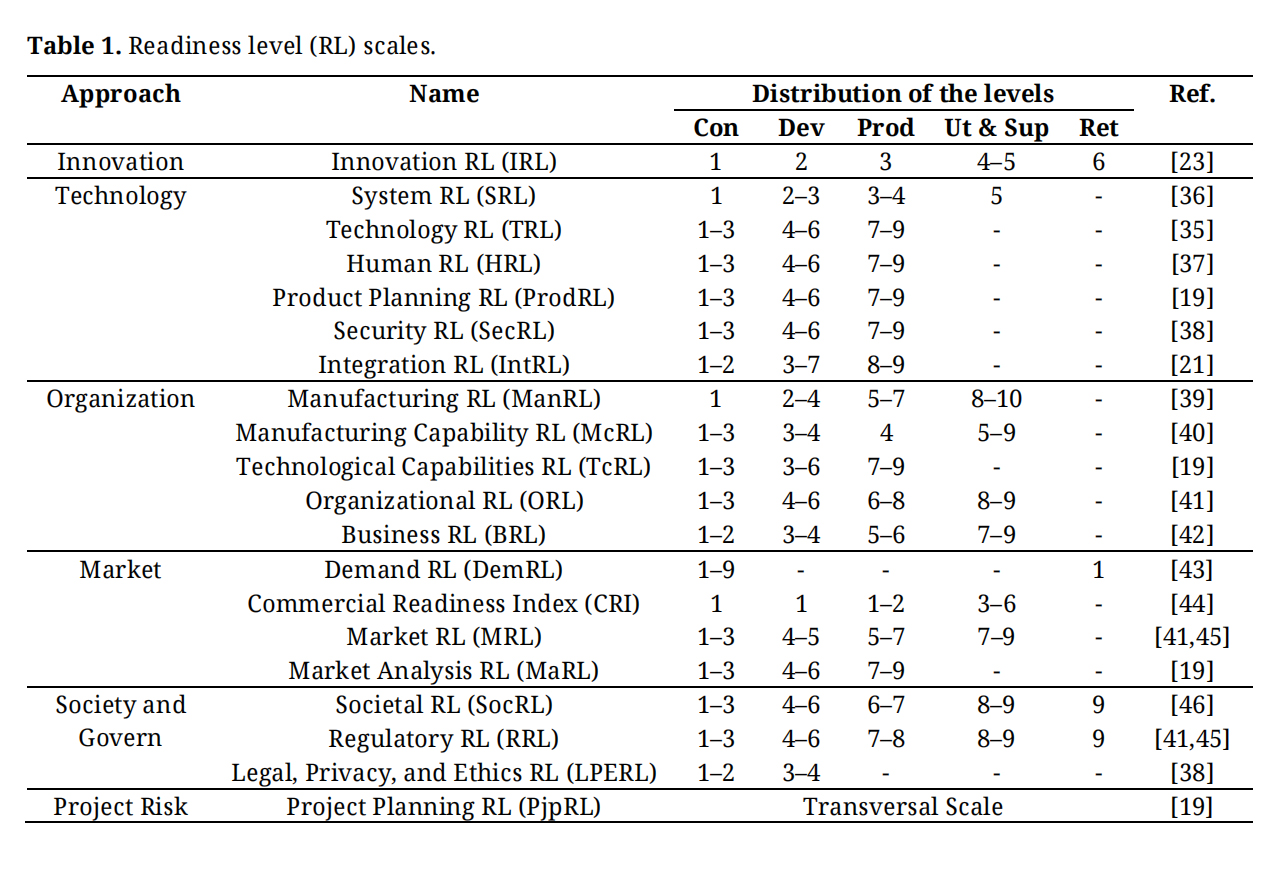 Table 1. Readiness level (RL) scales.
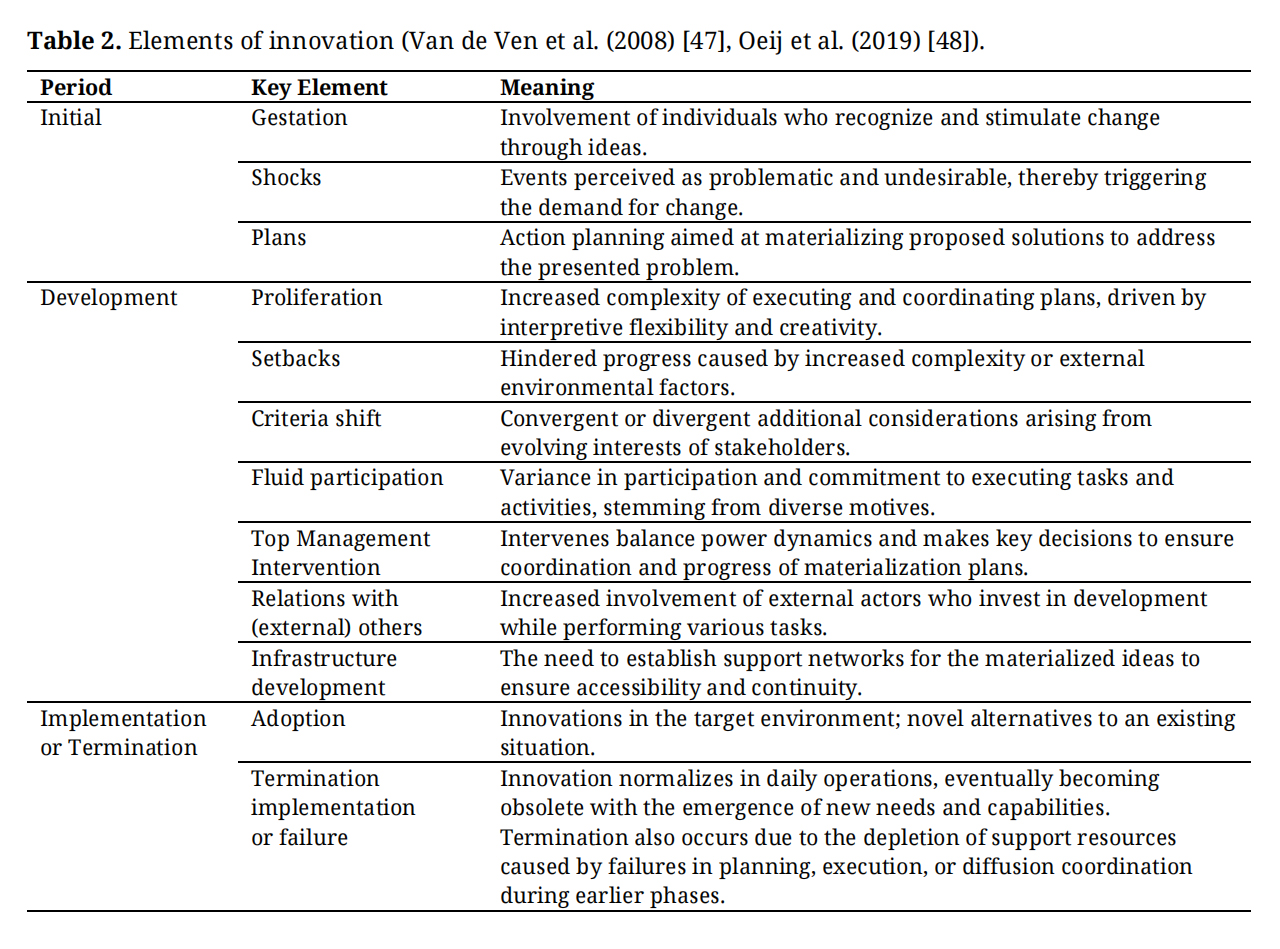
From the perspective of innovation studies, Parayil (1991) [11] and later Van de Ven et al. (2008) [47] argued that change processes emerge from social interactions among diverse individuals. Recognizing this inherently social nature reveals that technological creation is also a purposive process shaped by evolving interactions among social actors. Consequently, several key elements have been proposed to explain transformation processes within societies and organizations (Table 2).
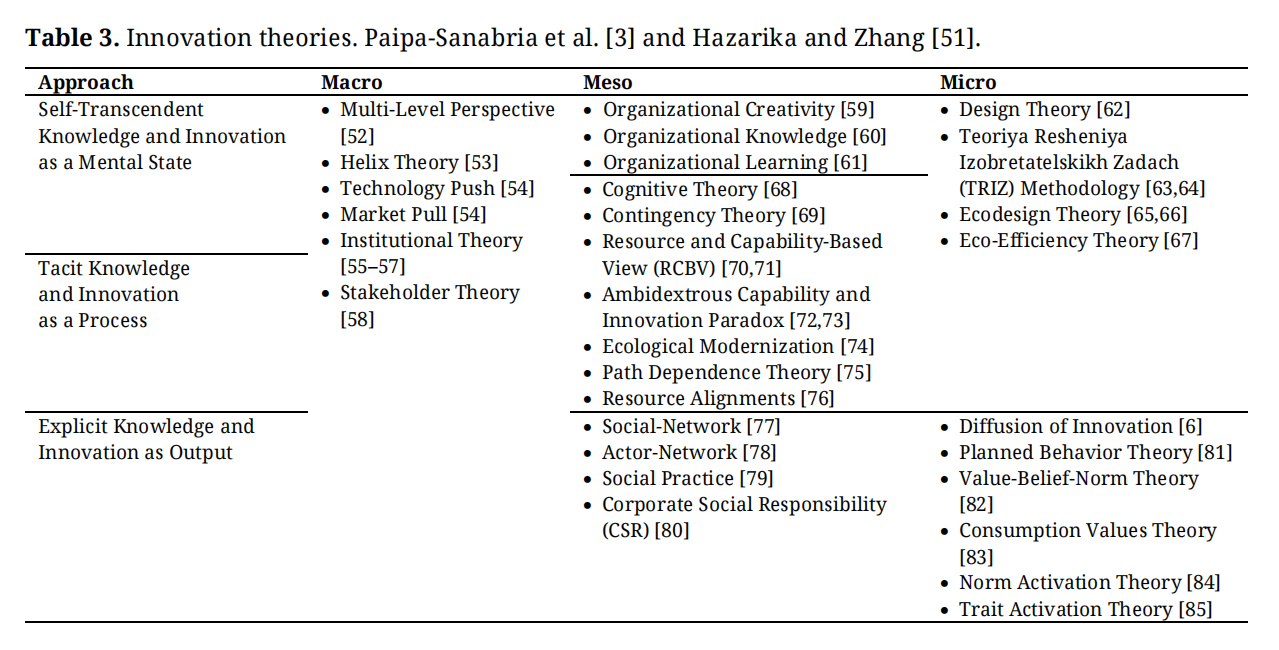
Innovation TheoriesUltimately, the transformation of societies through the application of knowledge has been extensively examined within innovation literature and its diverse theoretical traditions. These theories generally describe the transformation of three forms of knowledge—self-transcending, tacit, and explicit—into practical application, requiring analysis through three complementary perspectives: mental state, process, and output [49,50].
Within systems management, these perspectives are applied to analyze interests, conflicts, agreements, and communication channels across societies and organizational environments at different levels of analysis [3]. Table 3 presents the classification of these theories.
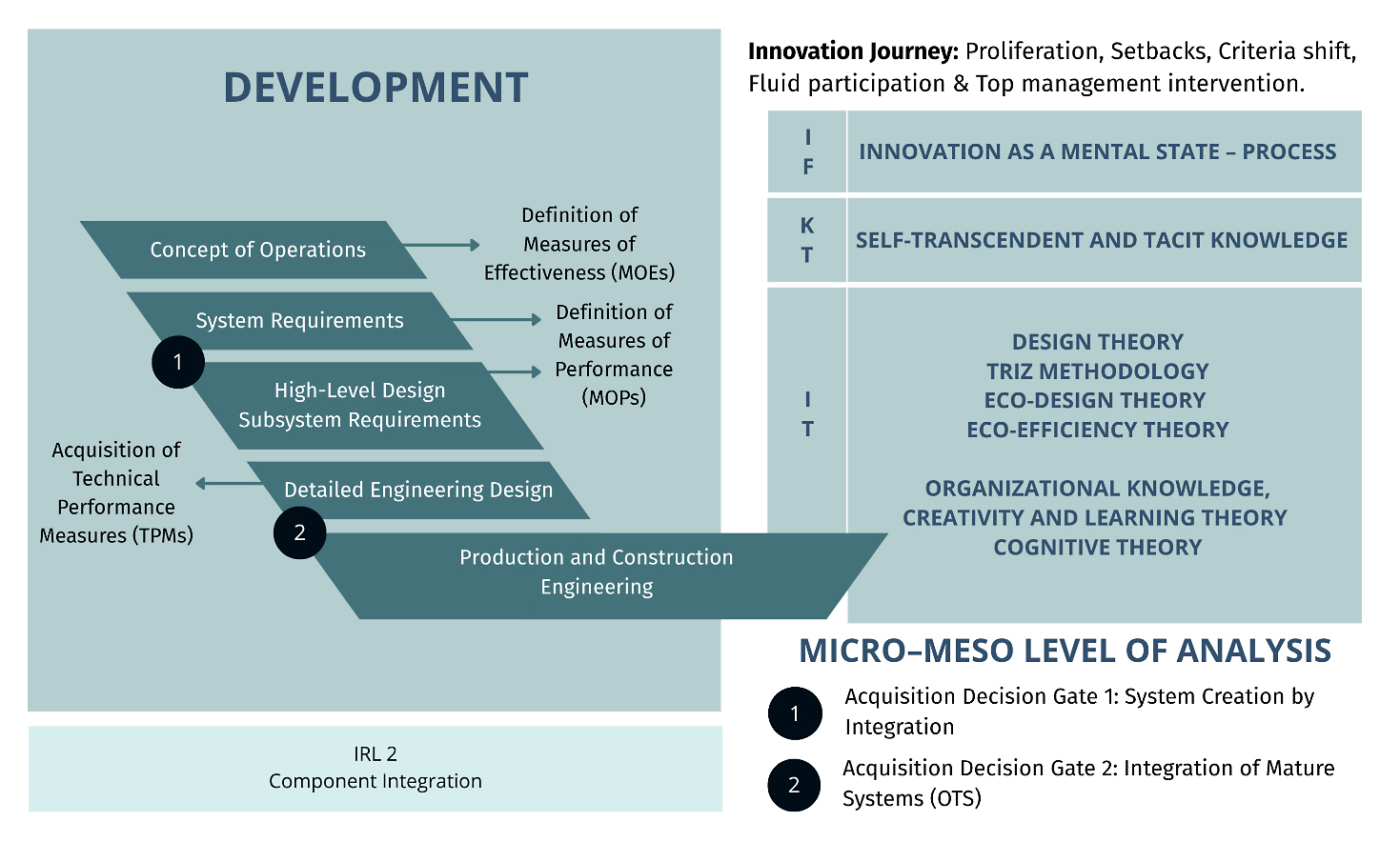
Integrating theoretical and applied perspectives reveals analytical relationships that support the management of organizational creativity and decision-making (Figure 2).
This framework serves as an integrative conceptual model for visualizing the relationships between engineering models and innovation postulates. The V-Model defines the phases of the system lifecycle, including the stages of development and production phases and the transition gates between activities. As technology evolves, various RLs emerge to assess the maturity of technology and surrounding environments, requiring careful coordination [22]. Similarly, innovation postulates examine, at macro, meso, and micro levels, the transformative processes and motivations of social actors driving change.
Accordingly, the model incorporates lifecycle phases, evolutionary stages, and the coordinated RLs of both technology and environment across those phases. It also captures the social relationships and contextual conditions that emerge throughout the system lifecycle. Although highly integrative and explanatory, the framework does not provide specific measurement mechanisms, as quantitative assessment lies beyond the scope of this study.
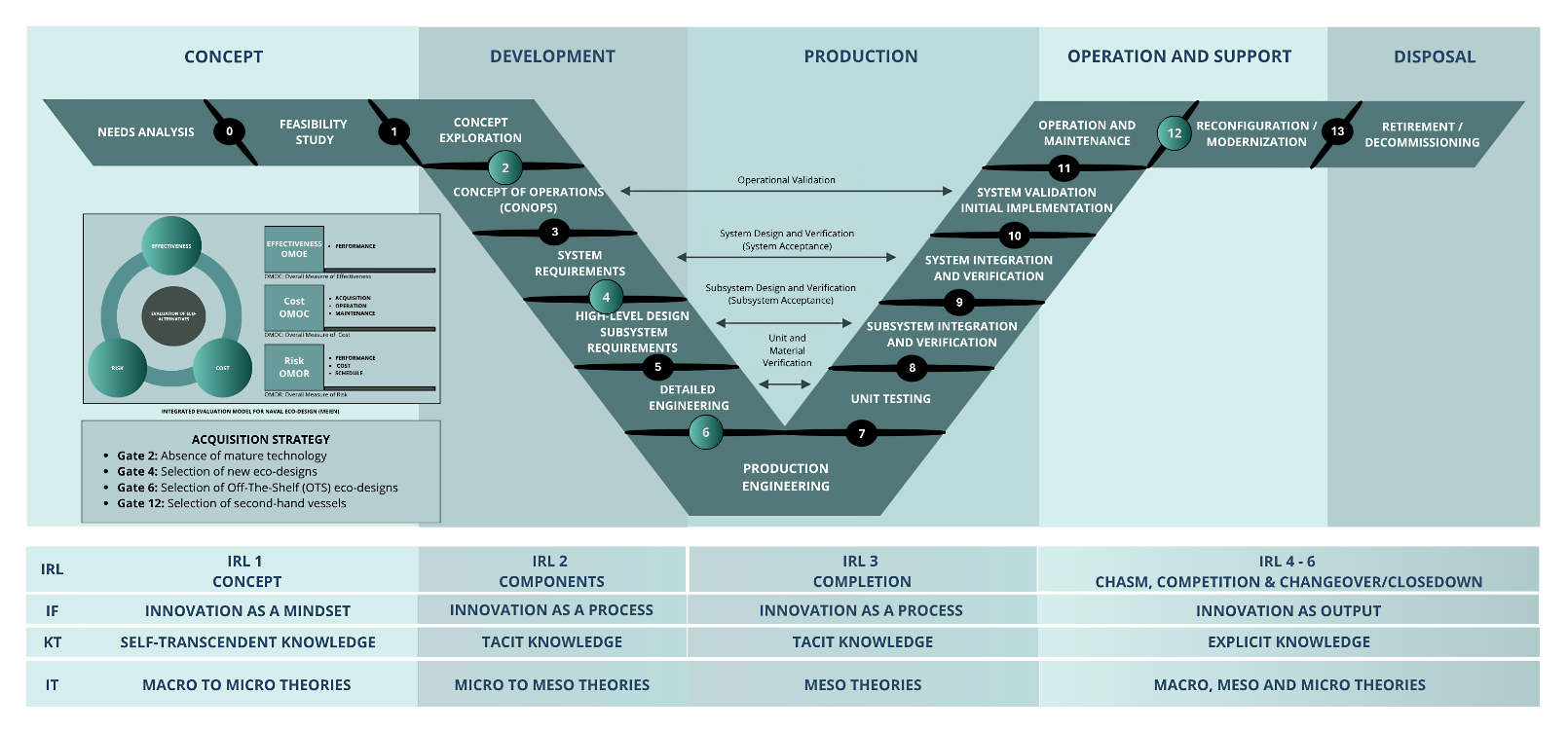 Figure 2.
Integrated Macro-Conceptual Model Linking the Systems Engineering V-Model, Innovation Readiness Levels (IRLs), and Innovation Theories Across the System Lifecycle.
Figure 2.
Integrated Macro-Conceptual Model Linking the Systems Engineering V-Model, Innovation Readiness Levels (IRLs), and Innovation Theories Across the System Lifecycle.
Given the complexity of this integration, the analytical elements used to develop the model are presented below.
Model Decision GatesA key feature of the V-Model is its ability to coordinate projects involving technology management, innovation, and venture creation. The model incorporates several decision gates that facilitate the acquisition of resources, knowledge, relationships, and talent required to identify needs, formulate concepts, develop solutions, scale production, meet market demand, commercialize innovations, and ultimately retire them [7].
In the context of naval vessels, Morris (2019) [86] identified a series of critical decision gates associated with substantial resource commitments. At these points, key decisions define the plan and structural framework for the subsequent phase, supported by an analysis of alternatives (AoA) to guide selection among competing options [87,88]. Additionally, circularity considerations and vessel acquisition strategies [78,89,90] necessitate an additional decision gate related to technology acquisition. Table 4 summarizes these decisions.
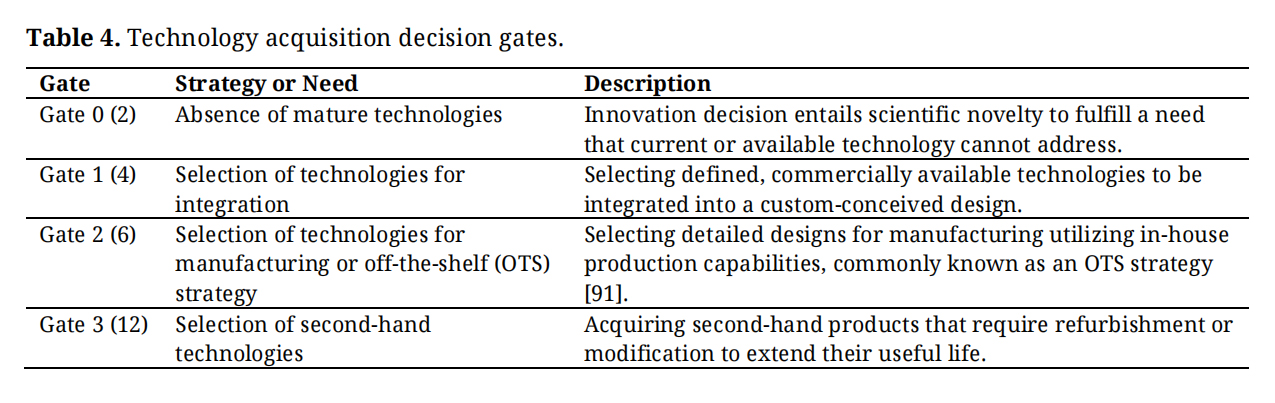 Table 4. Technology acquisition decision gates.
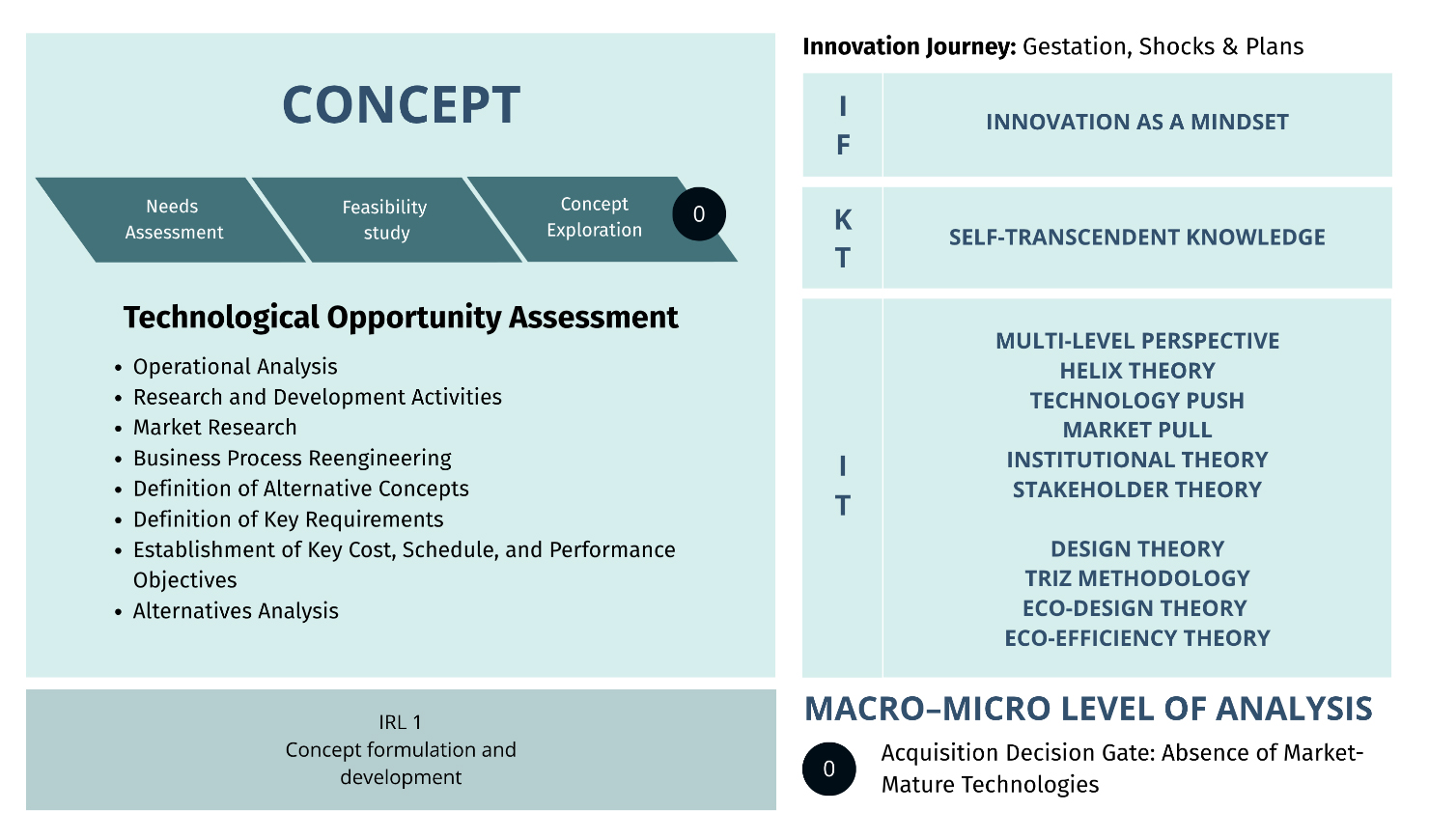
The concept phase involves identifying the market or societal opportunity that technological development seeks to address. This stage is inherently characterized by high uncertainty. Figure 3 presents the analytical elements of the model for this phase.
At this stage, it is essential to identify the impacts that trigger change, the emergence of ideas that respond to those impacts, and the action plans that align knowledge and resources toward implementation. The technological adaptation decision gate is established at this point, representing the innovation pathway through which new knowledge is applied when mature technologies are unavailable.
Driven by these impacts and the alignment of stakeholder actions, the concept phase primarily draws on the multi-level perspective, helix theory, market pull, institutional theory, and stakeholder theory. These frameworks help define market needs and identify macro-level actors, thereby justifying resource investments. As new knowledge is applied to formulate solutions, the analytical focus shifts to the micro level, examining idea generation within specialized teams driven by technology push dynamics. This process is reflected in the postulates of Design Theory and the Teoriya Resheniya Izobretatelskikh Zadach (TRIZ) methodology. Within the growing emphasis on eco-innovation [51,89,92,93], environmental responses are deliberately incorporated through the principles of ecodesign theory and eco-efficiency.
Development Phase: From Concept to Integrated System ArchitectureThe development phase encompasses the activities required to transform ideas into tangible solutions. It captures the efforts of specialized teams that apply tacit knowledge to integrate explicit knowledge derived from a novel idea or scientific principle. Figure 4 presents the analytical elements associated with this phase.
The complexity of technological development is reflected in idea proliferation, fluid participation, setbacks, and shifting criteria, all of which arise through the exchange of resources and information among diverse actors. In this context, top management plays a critical coordinating role, ensuring progress toward milestones and supporting effective decision-making.
At the designated acquisition gates, the technologies that will guide materialization are selected. Prototype development also requires ensuring subsystem compatibility while accounting for the challenges of future replication. In naval vessel projects, this process depends on obtaining precise feedback from the target client before significant resources are committed to materialization [9].
From an innovation perspective, achieving a minimum viable product (MVP) requires the configuration and transformation of design concepts, reflecting the principles of design theory, ecodesign theory, eco-efficiency theory, and the TRIZ methodology. Because materialization depends on the exchange of information and resources, it also requires shared objectives, common solution concepts, and mechanisms for resolving conflict, as reflected in cognitive theory, organizational creativity, and organizational knowledge.
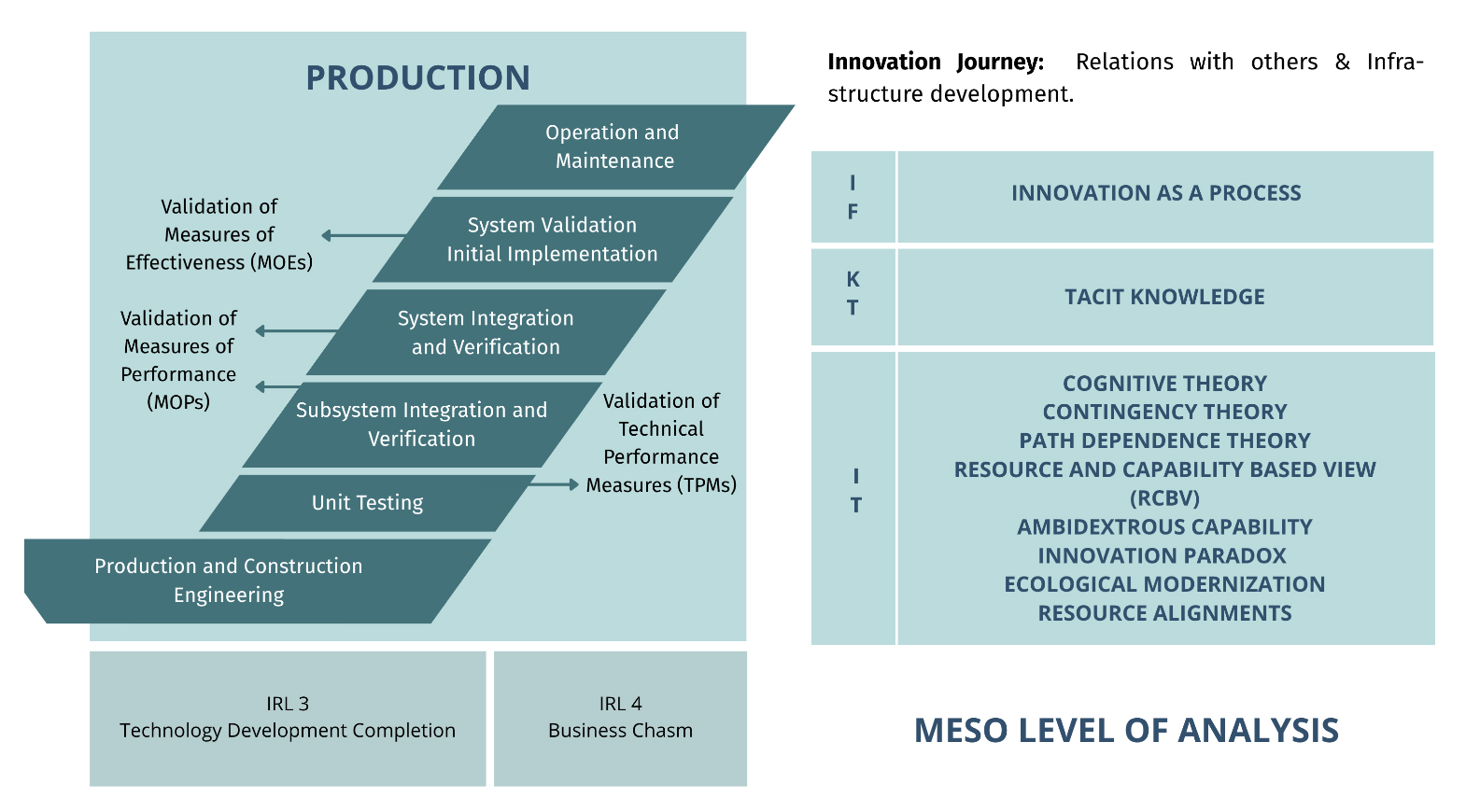
Production and Validation Phase: From Prototype to Replicable ArtifactThe production phase involves manufacturing the prototype in accordance with organizational capabilities. At the same time, plans for replication are developed while the technology undergoes certification to verify its safety and maturity [7]. Figure 5 presents the analytical elements associated with this phase.
Planning activities conducted before deployment and during certification focus on building the relationships and agreements needed to strengthen value and supply chains. This includes developing the support infrastructure required for the utilization phase and adapting production methods to facilitate scaling. Management must therefore consolidate these relationships and reconfigure administrative, maintenance, and manufacturing resources to support the new business line.
From an innovation perspective, these relationships transform tacit knowledge into routine practices used by organizational personnel in daily operations. This shifts the analytical focus toward innovation as a process of organizational change and environmental adaptation. Examining relationship formation and certification success highlights the relevance of meso-level frameworks, including contingency theory, path dependence theory, the resource and capability-based view (RCBV), ambidextrous capability and innovation paradox, ecological modernization, and resource alignments. together, these perspectives examine the organizational structures that enable knowledge creation, materialization, and replication.
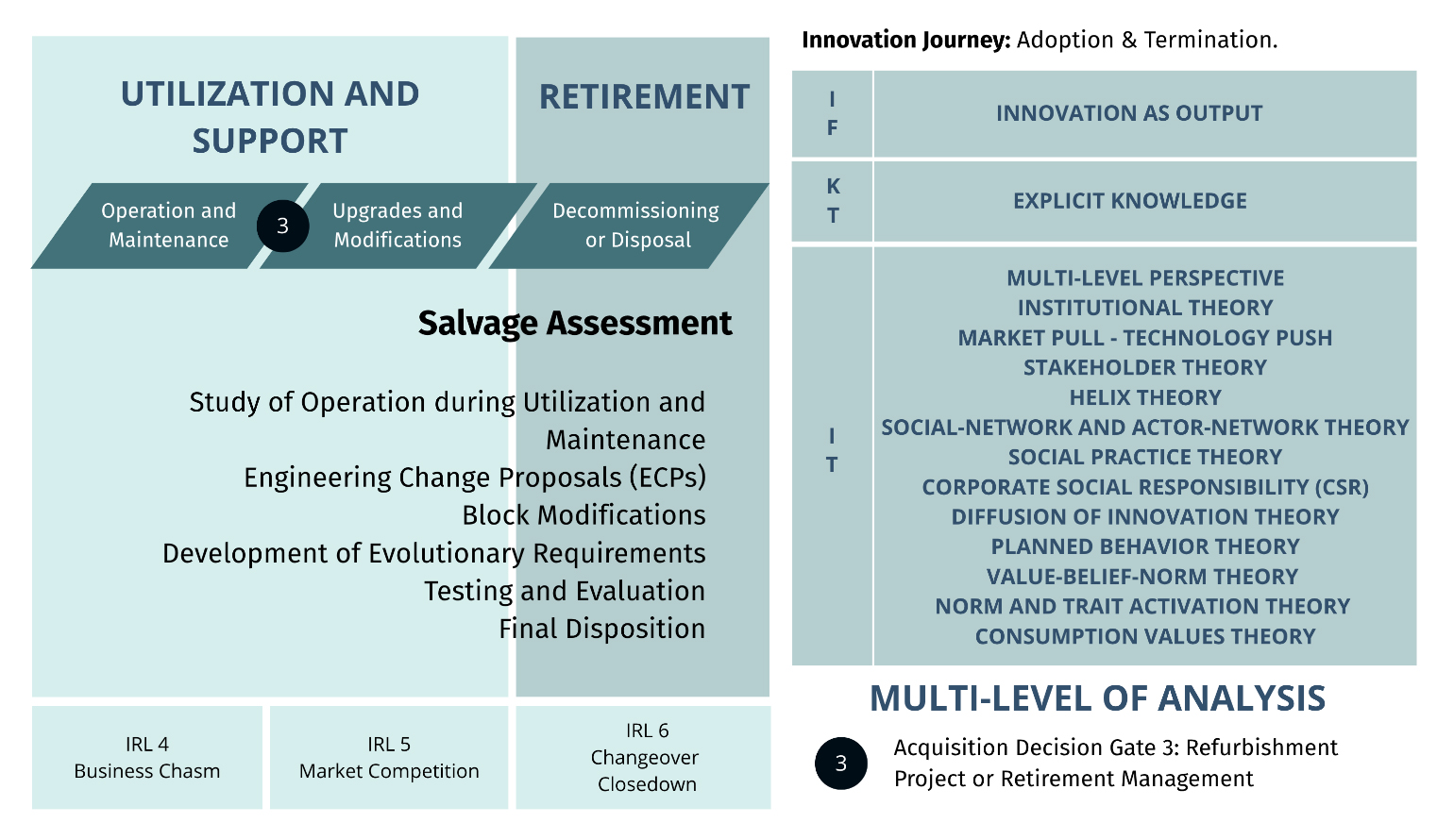
Utilization, Support, and Diffusion Phase: From Artifact to InnovationA technology becomes a true innovation only after achieving social and market acceptance. Figure 6 presents the key analytical elements associated with this phase.
Once commercial relationships and replication activities have been established, the organization must confront the market gap and navigate the path toward either successful adoption or eventual termination if the product is considered obsolete or without value [48].
The developing firm must pursue profitability and sustainability while continuously optimizing production to meet operational, tactical, and strategic objectives. The dynamics of social acceptance create simultaneous relationships of competition and complementarity within the environment. They also require frameworks that address societal well-being and legal compliance.
Accordingly, the analytical focus of innovation shifts to the system, product, or service as an explicit form of knowledge and examines the broader changes it generates within society. This transformation can be understood through macro-level postulates (institutional theory, market pull, technology push, stakeholder theory, corporate social responsibility, and helix theory), meso-level frameworks (diffusion of innovation, social-network theory, actor-network theory, and stakeholder theory), and micro-level consumer theories (norm activation theory, value-belief-norm theory, and trait activation theory). The multi-level perspective serves as the overarching framework for theoretical interpretation.
Retirement or Renewal Phase: From End-of-Life to a New Innovation CycleWhen a technology reaches the end of its lifecycle and becomes obsolete due to changing market demands or technical limitations, strategic intervention becomes necessary. This may involve acquiring new technology to extend the system’s useful life or implementing end-of-life management activities in accordance with sustainability principles. At this stage, a decision gate emerges between refurbishment and complete retirement.
As technologies become obsolete, new challenges arise that require the application of knowledge to enhance value, well-being, and development [43]. Consequently, this process initiates a new cycle of technological development and returns to the beginning of the system lifecycle.
Building on the theoretical foundation established above, this study adopts a case-study design [94]. The proposed model interprets eco-innovation development in naval vessels as a sociotechnical process in which engineering activities, integration decisions, maturity levels, organizational capabilities, regulatory conditions, market dynamics, and stakeholder participation continuously interact. In this context, the model serves as an analytical framework for understanding how these elements interrelate throughout the system lifecycle.
The methodological approach is both interpretative and abductive. The interpretative perspective facilitates an in-depth understanding of technological development within its specific sociotechnical context, viewing project realities as products of interactions among actors and their environment [95]. The abductive perspective relies on systematic combining [96], moving beyond the rigidity of purely deductive or inductive approaches through an iterative dialogue between theoretical frameworks and empirical observations.
Following this logic, and drawing on the literature on systems engineering, technology RLs, and innovation management, a preliminary model was developed and then analytically contrasted with documentary evidence from the case. This iterative process enabled an assessment of the model’s ability to organize the observed development process, identify relationships between technical and contextual dimensions, and derive insights relevant to eco-friendly vessel development. The EcoTea case therefore serves an illustrative purpose, capturing the progression from the identification of socio-environmental needs and technological opportunities to concept development, system integration, prototype construction, and the challenges associated with diffusion and scaling, thereby demonstrating the model’s analytical value.
Case-Study DescriptionThe empirical component of this research centers on the EcoTea case study, an eco-friendly vessel developed as a research, development, and technology integration project coordinated by COTECMAR in collaboration with multiple institutions. The project addresses critical challenges in the Atrato River region of Chocó, including pollution and ecosystem degradation [97,98], the obsolescence of existing river transport systems [99], and deployment barriers associated with limited infrastructure [100].
Designed to address these regional needs, the project’s primary outcome is a functional prototype of a shallow-draft vessel that integrates sustainable technologies for passenger transportation, as illustrated in Figure 7.
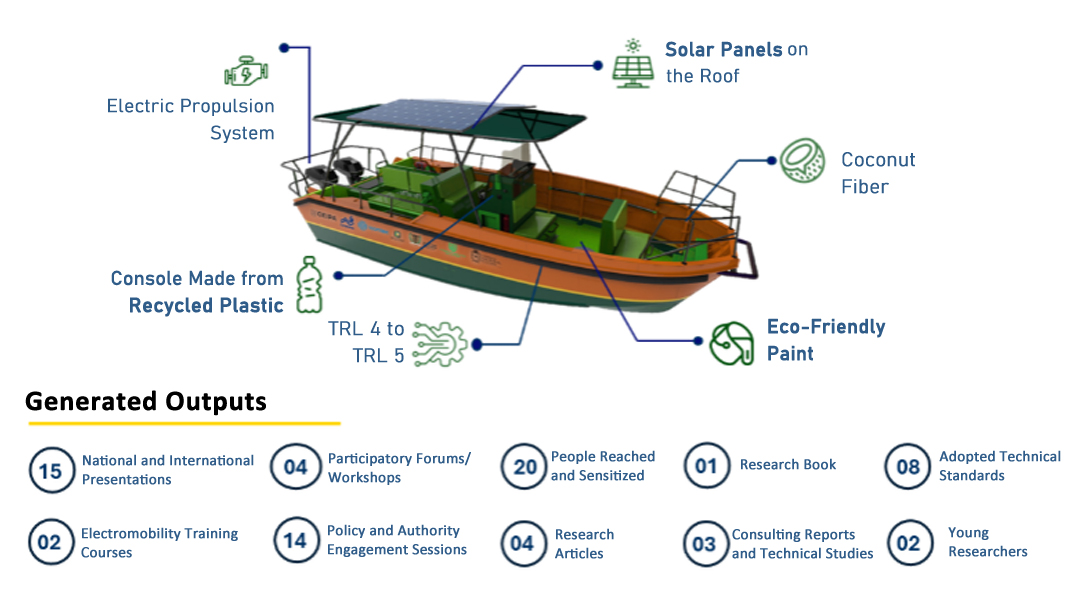 Figure 7. EcoTea eco-friendly vessel.
The EcoTea project was evaluated using the proposed model, which systematically traced its progression from initial need identification through the challenges associated with technological diffusion.
Data SourcesThe case study was analyzed using a comprehensive documentary dataset that captured direct contributions to concept formulation, technical development, and decision-making. Rather than cataloging each document individually, the evidence serving as input to the model was systematically grouped according to document type and corresponding lifecycle phase (Figure 8). For the concept phase, documents related to opportunity identification and technological feasibility were examined, including government funding calls, feasibility studies, and technology watch reports. During the development phase, the analysis focused on technical design and environmental assessment documents, including technology foresight studies, regulatory profiling, naval architecture blueprints, and community engagement records. For the production and validation phase, records related to prototype construction and testing were analyzed, including manufacturing schedules, bills of materials, field-testing protocols, and lifecycle assessments (LCA).
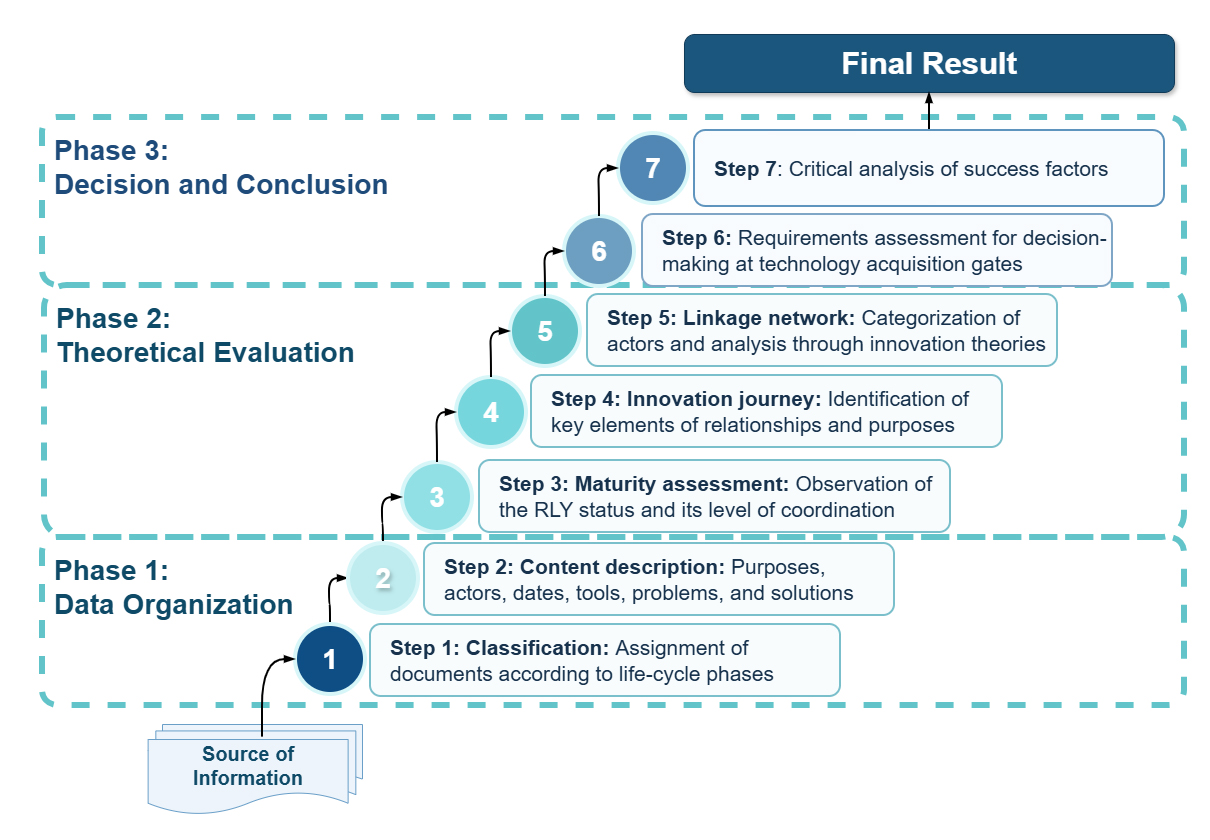 Figure 8. Conceptual structure diagram of the EcoTea project. Source: Authors’ own elaboration.
The proposed macro-conceptual model was applied to the EcoTea case through an abductive analytical procedure organized into a seven-step flowchart (Figure 9). The primary objective of this procedure was to evaluate the model’s empirical usefulness in organizing and interpreting the development of a sustainable vessel innovation across its technical, organizational, market, regulatory, and social dimensions.
As shown in Figure 8, the methodological sequence progresses through three major phases of analysis:
•
•
•
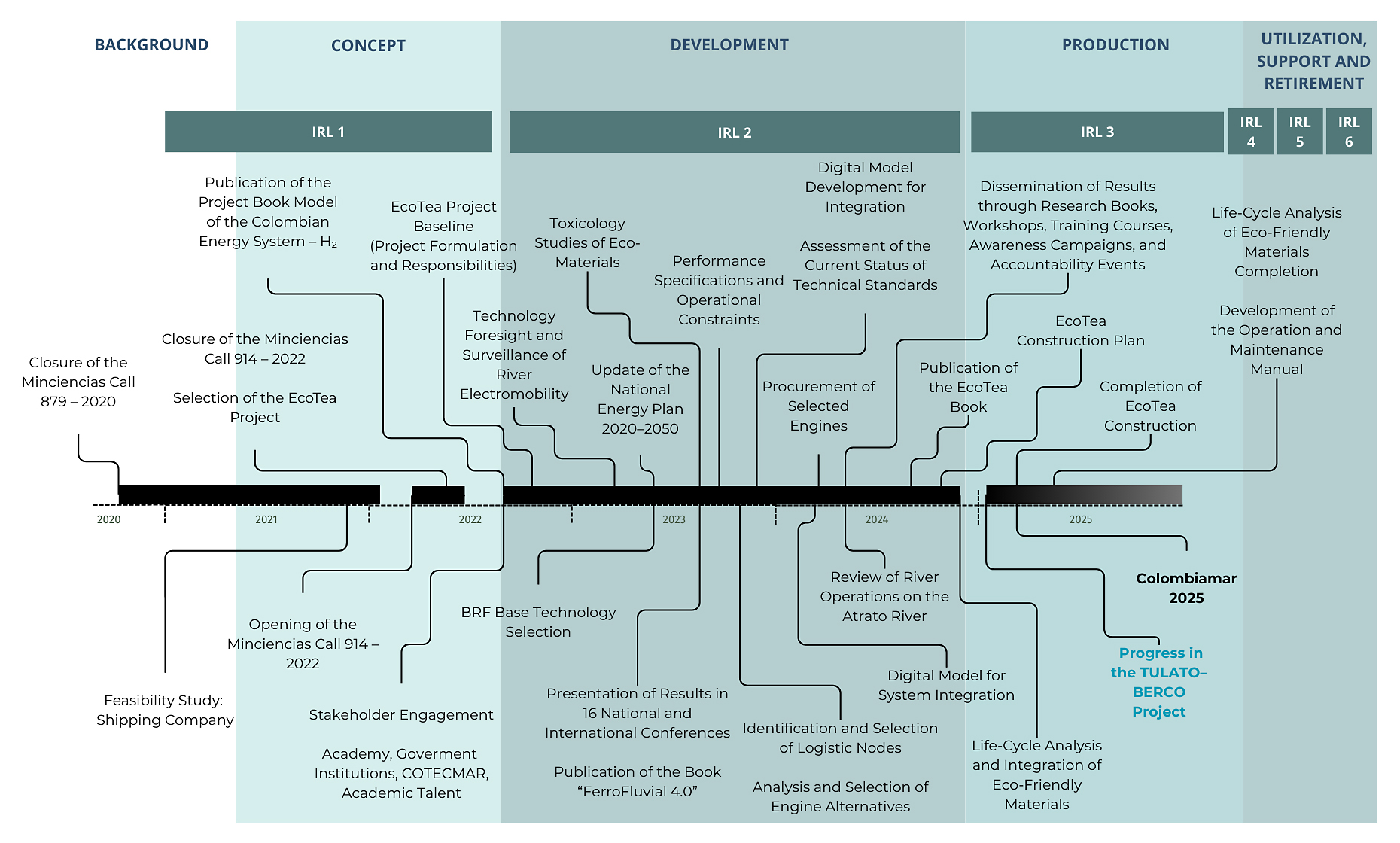 Figure 9. EcoTea Project Milestones.
To strengthen analytical reliability and reduce interpretative bias, researcher triangulation and systematic cross-review of the documentary evidence were employed. Reliability was addressed through internal consistency, evidence traceability, and interpretative agreement.
First, the documents and activities associated with the EcoTea case were independently reviewed by the authors. Because they participated in different operational areas of the project (i.e., social coordination, electromobility design, and technical integration) they could compare technical, organizational, environmental, and innovation-management perspectives.
Second, preliminary findings were examined through a systematic cross-review process. When an activity could be associated with multiple phases or dimensions, classification was determined according to its primary contribution to overall project progress.
Third, interpretative discrepancies were discussed during consensus meetings. These differences were resolved using three criteria: explicit documentary evidence, consistency with the project’s temporal sequence, and conceptual alignment with the components of the proposed model.
Finally, strict traceability was maintained between the raw evidence, analytical categories, and final interpretation of results. This approach ensured that conclusions were derived from systematic, cross-validated analysis rather than individual assessments.
A review of the documentary evidence identified 15 relevant institutions involved in the EcoTea project. Through their respective research groups and operational activities, these organizations contributed in multiple capacities aligned with their institutional responsibilities and objectives.
Examining these roles highlights the importance of aligning diverse stakeholder interests to justify and advance the project. The interactions among participating actors also reveal critical information flows throughout project execution. These flows are essential to the broader innovation process, generating impacts that extend beyond technological advancement in academia and industry to influence public policy and national development agendas. Table 5 presents the actors involved in the development and execution of the EcoTea project.
The temporal classification of the documentary sources enabled the construction of a project milestone map. This framework provided a chronological view of team progress as research activities advanced and ideas evolved into the tangible development of the vessel (Figure 9).
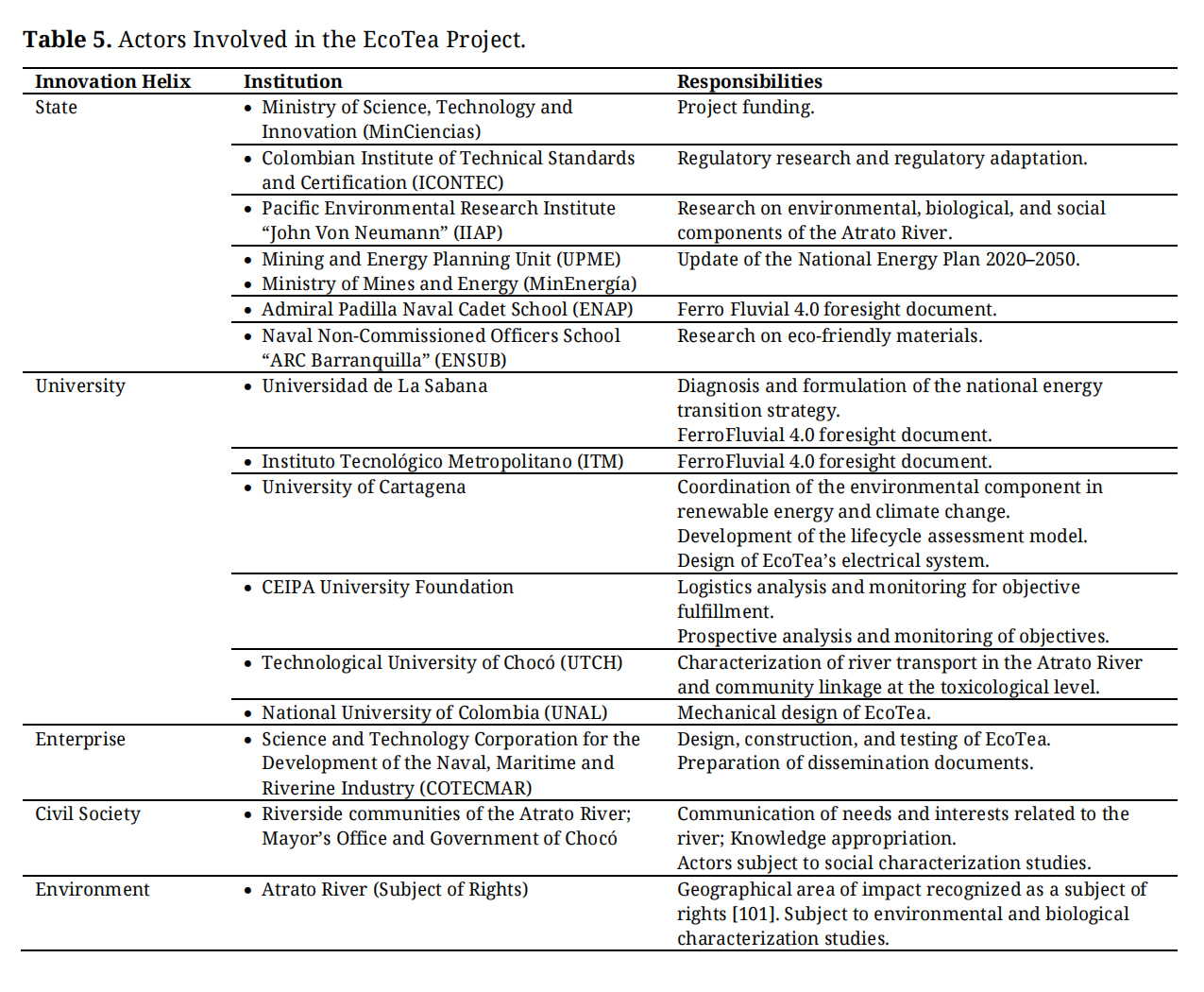 Table 5. Actors Involved in the EcoTea Project.
The background phase covers events and documents published between 2020 and 2022, during which the EcoTea project was conceived and approved. These documents emphasized the need for an energy transition and the development of national river transport routes. The origins of this transition can be traced to the National Energy Plan (PEN) [100] and the National Logistics Policy (CONPES 3982) [102], both of which called for a comprehensive assessment of existing energy and transportation infrastructure. In 2020, this effort culminated in the launch of Call 879 [103]. Concurrently, the Navy completed its strategic planning for river transport systems through the Feasibility Study for River Transport. Together, these initiatives led to the approval and funding of the FerroFluvial 4.0 and MEC H2 research projects. These foundational efforts identified the systemic barriers limiting the modernization of the country’s river infrastructure.
The FerroFluvial 4.0 project aims to modernize river transportation through the adoption of electromobility technologies. Its objective is to integrate these technologies into national productive chains, improving the competitiveness of rail and river transport while strengthening regional connectivity across diverse geographic and climatic conditions [103,104]. In parallel, the MEC H2 project assessed the national electricity-generation landscape with the goal of developing sustainable energy systems and extending electrical infrastructure to remote regions, directly addressing existing infrastructure deficiencies in Colombia [103,105]. Both projects concluded in 2022, identifying a broad set of economic and social needs across the country.
The outcomes of these initiatives, together with their influence on national policy development, directly motivated the creation of the EcoTea project under Call 914-2022 [106]. They also contributed to the update of the National Energy Plan for 2022–2052 [100], which established guidelines for the development, improvement, and integration of sustainable energy solutions in river transportation. As a result, the EcoTea project officially began in 2023 with the objective of improving transportation capabilities along the Atrato River [107].
The formulation of the EcoTea project included five objectives critical to its implementation and deployment:
•
•
•
•
•
These developments provided the foundation for the project and culminated in the conceptual formulation presented in the baseline document. The proposed solution achieved a TRL 3 and an IRL 1, as outlined in Table 1, thereby reaching Acquisition Gate 0 in response to the absence of existing viable solutions. Figure 10 illustrates the sequence of events identified through the documentary review that led to the formulation of the EcoTea concept.
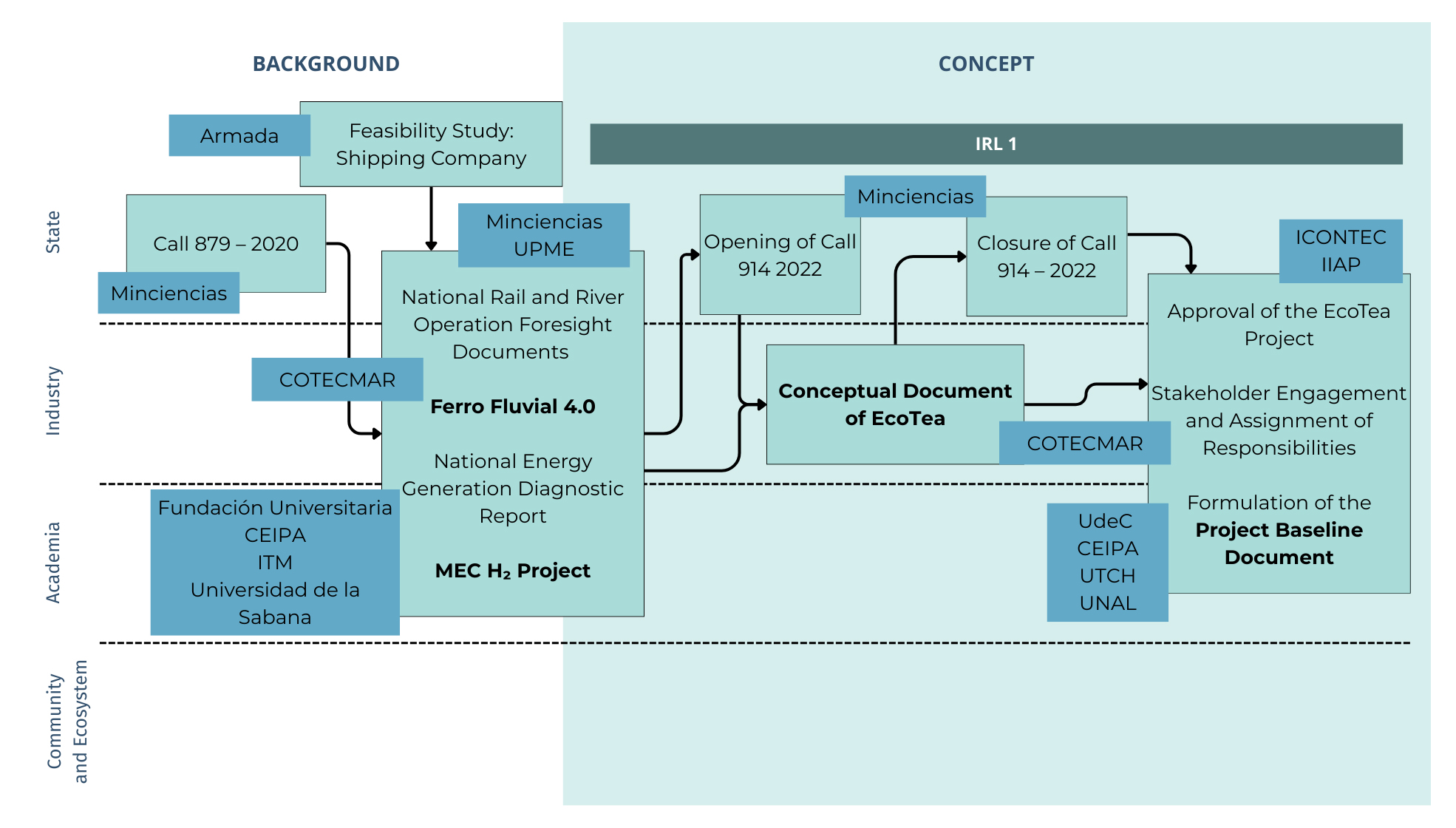 Figure 10. Concept Phase Information Flows.
The development phase encompasses events and documents spanning April 2023 to March 2025. These records reveal a complex network of relationships and information exchanges among the various project teams.
This phase began concurrently with the conclusion of the concept phase, during which the technological concept was refined using the RL models presented in Table 1. The finalized project proposal introduced initial approaches for exploring and diagnosing the target impact area, supported by local communities and regional educational institutions. These preliminary assessments were expanded through dedicated studies addressing regulations governing vessel design, manufacturing, and operation; river transport systems and associated infrastructure, including social, economic, and environmental dimensions; and technological foresight related to electric river mobility.
During concept refinement, the first technology selected for integration was the river reconnaissance boat (BRF), which had reached TRL 4 in 2020 [108]. This platform was designated for modifications to its propulsion, electrical, electronic, and material systems. The integration of these technologies altered the vessel’s physical and structural characteristics relative to the selected configuration. Findings from the characterization studies were shared among project teams, establishing the initial design requirements, performance specifications, and operational constraints.
Following completion of the regulatory and regional characterization studies in late 2023, the mission baseline and target transport capabilities for EcoTea were firmly defined. The regional analysis revealed substantial deficiencies in social conditions, economic development, infrastructure, governance, environmental conservation, and logistics. These gaps, which had previously limited a comprehensive diagnosis of the region, required priority attention because of their commercial relevance [107]. The study ultimately identified four key logistics nodes along the Atrato River—Riosucio, Quibdó, Turbo, and Carmen del Darién—selected for their trade activity and regional connectivity.
The completed regulatory assessment identified 18 technical standards applicable to electric vessels, complementing the preliminary technical boundaries established for technology development and integration. These standards supported the definition of measures of effectiveness (MoE) related to cargo capacity, passenger accommodation, routing, and emission and impact limits. However, their efficient implementation remains challenging due to recognized gaps in business and regional capabilities. To address these limitations, strategic initiatives were developed to encourage adoption and contextual adaptation, beginning with awareness campaigns targeting local communities and relevant stakeholders [107].
At the same time, technological foresight activities concluded in 2023, producing a comprehensive inventory of technologies and scientific advances. These included electric power generation systems, electric river propulsion technologies, innovations in sustainable materials engineering, integration methods, and approaches for developing or adapting charging stations and port infrastructure [107,109,110]. This technology-scouting effort laid the foundation for subsequent EcoTea subprojects focused on charging-station design and river-port retrofitting, both of which are essential for future scaling and market readiness.
With the characterization studies completed, development progressed to the technological modification of the BRF vessel. The synthesis of the foresight studies culminated in the formulation of the concept of operations (ConOps). This process began with defining system requirements and decomposing the vessel into functional integration groups, translating MoEs into specific measures of performance.
The central objective of EcoTea’s development is the replacement of conventional propulsion and energy-generation technologies. This approach ensures that large-scale implementation contributes directly to the International Maritime Organization (IMO) emission targets [111] while aligning with the updated PEN guidelines [100]. Technology-scouting activities therefore focused on identifying viable propulsion alternatives for electric river mobility through the analysis of established success cases [107]. As a result, the propulsion and energy-generation systems were designated as the project’s core technologies.
At the first acquisition gate, COTECMAR prioritized propulsion-system selection through the development of a multicriteria evaluation model and application of the AoA methodology. Evaluation criteria included technical effectiveness in meeting transportation requirements (range, autonomy, recharge time) and cargo demands (power requirements, system volume, and weight capacity); environmental performance through reductions in equivalent emissions and optimization of water displacement to improve maneuverability and compatibility with river ecosystems [112–114]; and economic viability related to acquisition and support. The latter criterion assessed supplier presence within the Colombian market to ensure long-term sustainability while reducing development costs and supply risks. In December 2023, the process concluded with the application of the analytic hierarchy process (AHP), selected because of the subsystem’s relatively low complexity. This completed the AoA evaluation and resulted in the selection of two 50-kW motors integrated with solar panels and lithium batteries as an auxiliary energy-generation system.
Following this selection and laboratory testing of mechanical and energy performance, integration activities began to support preliminary design development. This phase included the creation of specialized software for calculating technological modifications and integration parameters. Using a digital model, the software facilitated subsystem integration, estimated material and component requirements, and performed simulations to verify compliance with ISO 12215-5:2019 structural standards [115].
Building on modifications to the propulsion plant (Group 200) and the energy-generation and electrical systems (Group 300), design activities expanded to include command and navigation systems (Group 400); auxiliary systems such as bilge and flooding management, mooring and anchoring, fire suppression, ventilation, and cooling (Group 500); equipment and habitability systems (Group 600); and hull structural modifications (Group 100). The initial model was developed using conventional materials, creating a technological baseline that supported a preliminary LCA.
To reduce the equivalent carbon footprint, the project incorporated sustainable materials developed by COTECMAR in collaboration with ENSUB. These materials underwent validation through analyses of toxicity, contamination, aquatic-life impacts, heavy-metal content, additive pollution, and bioaccumulation. Successful applications included a recycled PET command console, recycled PET/EPS coatings, and the replacement of selected fiberglass habitability components with coconut fiber. These modifications were intended to reduce environmental impacts across multiple supply-chain stages. Their incorporation also required updates to the digital model, enabling the team to achieve preliminary performance targets, prepare for production, and complete the technological selection process at Decision Gate 2.
The completion of the digital model and characterization studies was accompanied by extensive knowledge-dissemination activities. Research outputs were shared through the publication of the book, EcoTea: Potential of River Electromobility in Colombia [107] and the specialized course, Navigating Toward the Future: Electromobility in Small Vessels. Additional findings were disseminated through seminars, conference presentations, and peer-reviewed publications. Completion of the digital model and detailed engineering activities successfully cleared Acquisition Gates 1 and 2, achieving TRL 6 and IRL 2. These milestones culminated in a highly defined MVP. Figure 11 summarizes these achievements and illustrates the complex information flows that characterized the development phase.
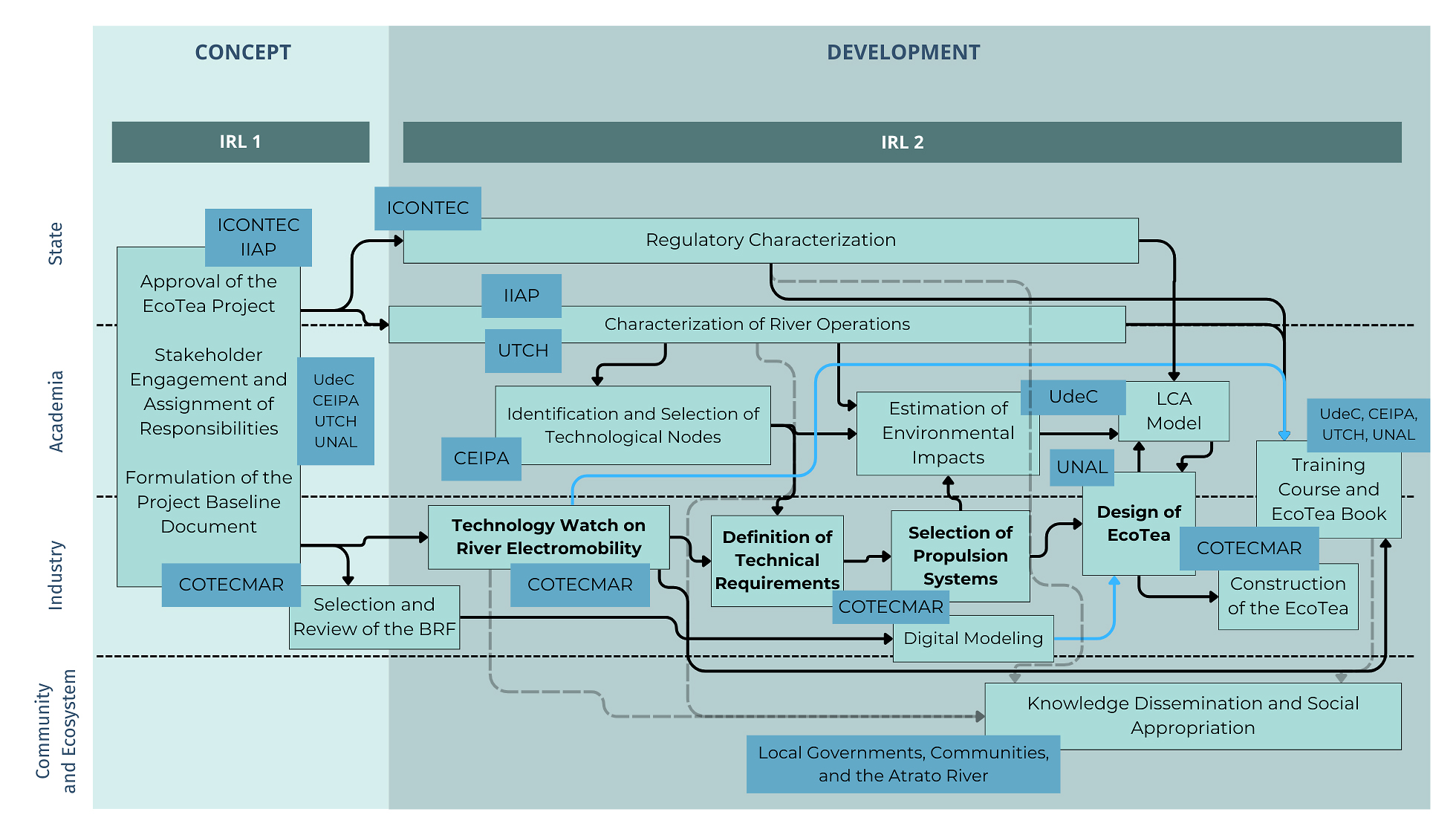 Figure 11. Actor-Network Map for the Development Phase.
Documentary sources from late 2024 through the first four months of 2025 document substantial progress in vessel construction and its demonstration in a relevant operational environment. Although these activities are sometimes classified within the development phase, the present framework treats manufacturing, together with production planning and material procurement, as part of the formal production phase. A major milestone occurred during the ColombiaMar congress in March 2025, where EcoTea was successfully demonstrated as a fully functional prototype operating in Cartagena Bay and the Canal del Dique (Figure 12).
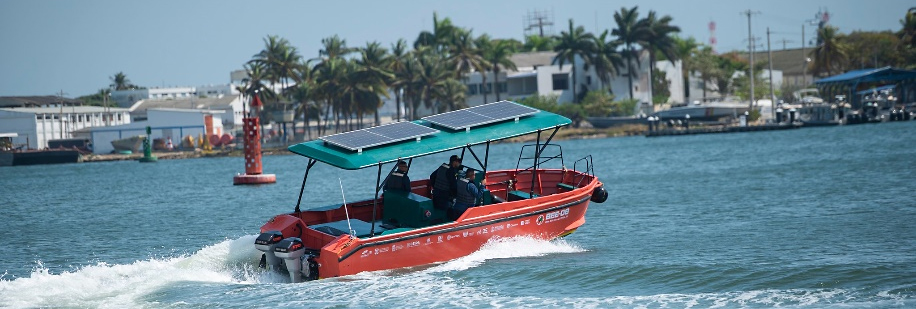 Figure 12. EcoTea Navigation Trials in Cartagena Bay.
Within the systems lifecycle, the production phase begins with validating the replicability of achievements attained during product development [19,23]. Accordingly, extensive prototype testing was conducted in accordance with ISO 12215-5, 11592-1, and 11592-2 standards [115–117]. These evaluations assessed dynamic stability, speed, trim, deadweight, and load tolerance, generating critical recommendations for operation and identifying opportunities for improvement before formal certification.
The testing program also confirmed the expected performance of the integrated material technologies. Results demonstrate the potential of novel eco-materials to reduce environmental impacts, particularly during the use phase and in transformation processes associated with incorporating recycled and natural materials throughout the lifecycle. This approach promotes the use of waste materials commonly found in river environments, including coconut fiber, PET, EPS, and aluminum sheets. Nevertheless, the manufacturing processes for electric motors still require further development to fully realize their impact-reduction potential, particularly regarding material consumption and transformation activities [118]:
•
•
•
•
The EcoTea project concluded this phase with successful integration and testing reports in a relevant operational environment, achieving TRL 7 and fulfilling the project’s primary objective. Its current and future trajectory aligns with government investment strategies aimed at strengthening capabilities in riverine regions through complementary infrastructure and remote-vessel technology initiatives, including the BERCO-TULATO project [108,119,120]. These related projects have been approved and have reached maturity levels exceeding TRL 5, reflecting EcoTea’s success in coordinating technological, market, environmental, and organizational readiness. Figure 13 summarizes the current status and future direction of this phase
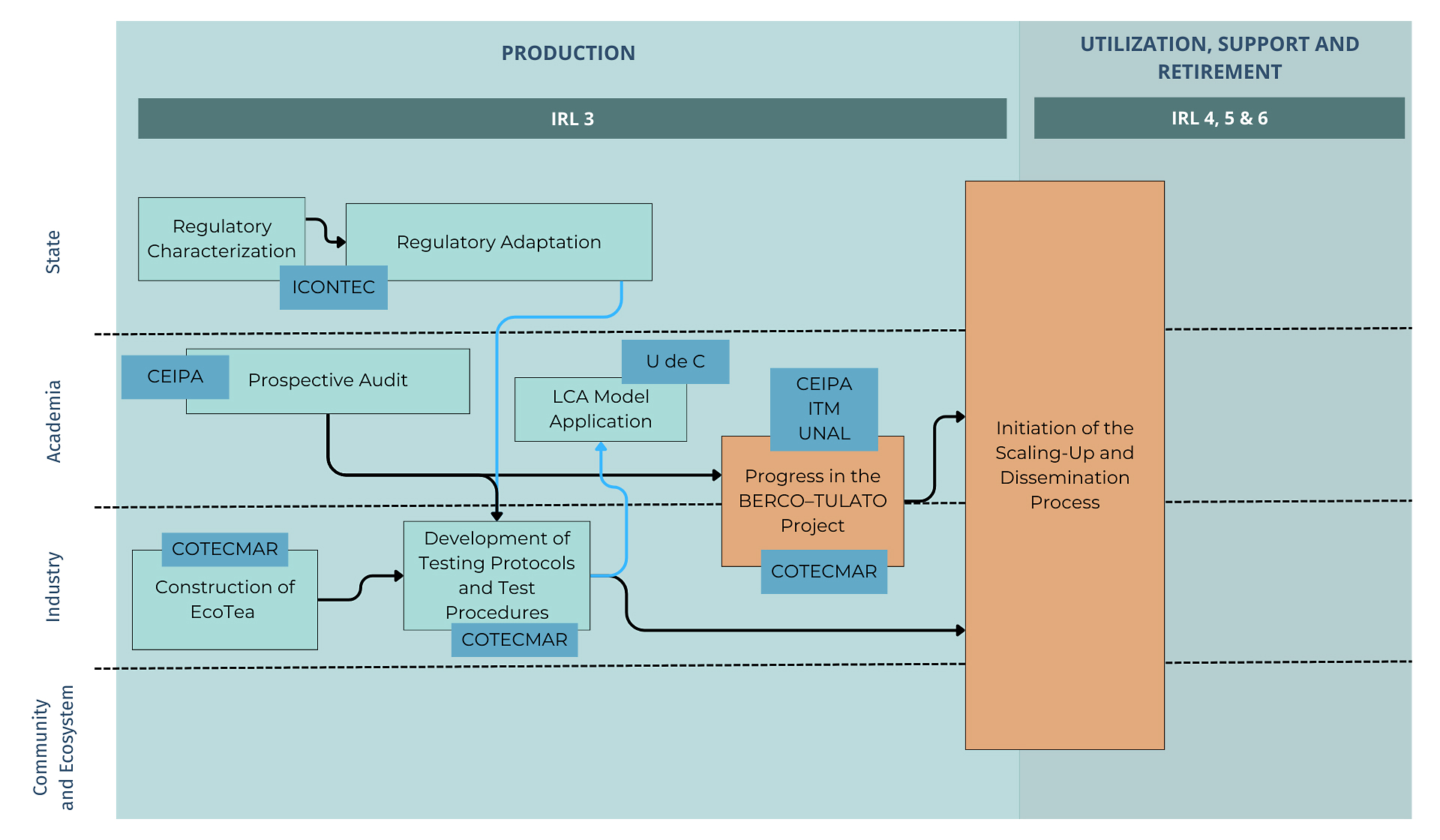 Figure 13. Production Phase: Current and Future State.
The development trajectory described throughout this section is synthesized in Table 6, which aligns the analytical elements of the proposed framework with the V-model lifecycle phases, RL, decision gates, and innovation theories. This matrix demonstrates how external environmental pressures were systematically translated into evaluation criteria that guided the vessel’s technical progression
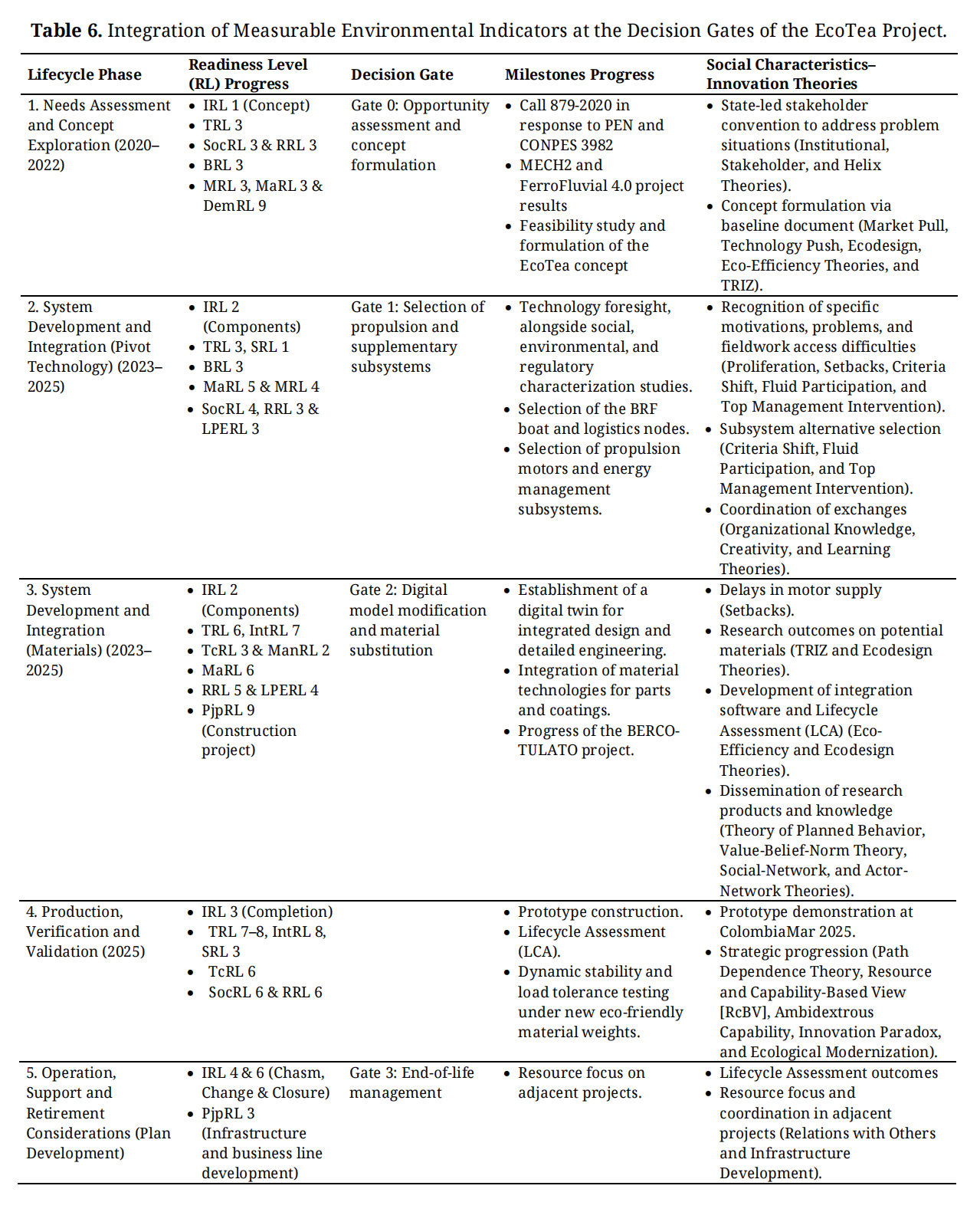 Table 6.
Integration of Measurable Environmental Indicators at the Decision Gates of the EcoTea Project.
Table 6.
Integration of Measurable Environmental Indicators at the Decision Gates of the EcoTea Project.
The case-study invites reflection on the relationship between business management and engineering, viewing innovation as a mechanism for exploring knowledge and applying it to the management and transformation of complex systems.
Relevant Case Considerations Concept PhaseAt IRL 1, a clear diagnosis of regional and market conditions is evident. This assessment identifies existing problems and gaps while recognizing a critical need that can be addressed through the integration of novel technologies, including efficient transportation systems, electrical and communication networks, and environmentally sustainable vessels.
Achieving this objective required close interaction among the state, universities, COTECMAR, civil society, and the environment, highlighting the importance of communication in formulating a viable technical solution. These relationships are well explained by helix theories [53], actor-network theory, and stakeholder theory through the alignment of interests, partnerships, and capabilities [55,58,78]; by market pull in identifying community needs [54]; by technology push through the exploration of available technologies [54]; and by institutional theory, where the state acts as both promoter and demander of innovation to advance strategic objectives [55].
Approval of the EcoTea project at Acquisition Gate 0 initiated the exploration of a vessel concept tailored to the target region and distributed responsibilities among teams specializing in different knowledge domains. As this process unfolded, the analytical focus shifted from the macro level of market needs and alternatives to the micro level of technological development. Innovation was therefore examined through the lens of mindset and self-transcendent knowledge, emphasizing the interactions and dynamics of specialized teams.
The evaluation of alternatives against explicit requirements operationalized the principles of design theory and the TRIZ methodology, supporting the initial definition of the vessel concept and the subsystems selected for modification [62–64,121]. Ecodesign and eco-efficiency theories were likewise incorporated through the systematic assessment of the environmental and social requirements the vessel was expected to meet [65–67]. From the perspective of RLs, the demand-formulation diagnosis is clearly reflected [43], establishing the technical, safety, organizational, business, market, social, and legal requirements incorporated into the final concept.
Development PhaseThe development phase is not sharply separated from concept refinement; rather, it progressively shifts the unit of analysis toward the micro and meso levels.
The refinement of the system’s technical structure required the integration of knowledge through the expertise and communication of teams across multiple organizations. The intellectual capabilities of these teams and their collaborative exchanges bridged the gap between scientific inquiry and engineering development [61]. A notable example is the creation of coconut-fiber components and eco-coatings by ENSUB.
The detailed regional characterization, development of integration software, replacement of subsystems and materials, and regulatory analyses were all linked through the communication channels and outputs of participating teams. These processes are consistent with organizational creativity and organizational knowledge theories [59,60].
However, integration outcomes did not emerge from a fully balanced consensus among all participants. Intervention by project leadership proved essential. Through the application of the AoA methodology and AHP for selecting the pivot technology—the electric motor—and defining its performance characteristics as the design baseline, management aligned the outputs of multiple teams. This dynamic closely reflects the innovation journey framework [4,47]. By the time digital modeling and integration were completed, a substantial portion of project knowledge had been codified into explicit digital documentation.
Another important aspect was the transfer of technical knowledge to local communities and stakeholders. Although research outputs effectively informed the public about the project, no evidence of feedback influencing technical development was identified. This limitation is reflected in the MRL and BRL scales [41,42]. Nevertheless, regional diagnosis results, design progress, and government funding initiatives were broadly disseminated. From the perspective of the RRL scale [41], regulatory characterization successfully applied existing standards while identifying significant gaps in sustainable-technology regulation, generating recommendations for future legal updates.
Production and Project ClosureUpon reaching IRL 3 and transitioning into production, the physical modifications resulting from subsystem integration established the MVP and introduced considerations related to technological scaling. The resulting product subsequently underwent testing under rigorous regulatory standards. However, this explicit knowledge remains incomplete because replication and scaling plans have yet to be fully formalized, pending final quality adjustments.
A further challenge is the inability to invest immediately in scaling activities due to insufficient market readiness. Successful scaling requires supporting port infrastructure and electrical grids, objectives currently being addressed through the BERCO-TULATO project. As reflected in the AoA evaluation criteria, the maturity of the integrated subsystems must also be considered, requiring continued advancement of coatings, coconut-fiber components, and, to some extent, electric motors. Achieving full TRL 9, therefore depends on corresponding advances in market maturity (MRL 6 and 7, SocRL 7), regulatory maturity (RRL 7) [41,45,46], and organizational maturity (BRL 6, ORL 8, McRL 4, ManRL 7, and TcRL 9) [22].
Despite these external constraints, the successful completion of the technological integration provides a clear example of dynamic capabilities through the effective coordination of actors and knowledge to transform ideas into physical artifacts [70,71]; ambidextrous capability through the integration of research-derived knowledge into existing technologies while overcoming the innovation paradox [73,122]; and contingency and path dependency theories through the adaptation of new systems to an existing platform in response to a specific socio-environmental challenge, consistent with COTECMAR’s strategic mission and role as a shipyard [69,75].
Theoretical AppreciationsBy addressing the existing gap in knowledge regarding the integration of systems engineering models and innovation theory, this study highlights the strong complementarity of these perspectives while distinguishing their respective contributions.
Innovation theory primarily focuses on managing social relationships. This is evident in stakeholder conflicts over time, delays in resource exchanges, the relational management exercised by project leadership to align interests and resolve unforeseen contingencies, and the strategic allocation of resources to design and implement mechanisms that sustain project progress.
In contrast, the engineering perspective provides a structured framework organized around stages and activities. Within this framework, various tools and methodologies are applied, including situation-characterization approaches, analyses of social, environmental, regulatory, and legal contexts, mechanisms that facilitate design and knowledge transfer, and formal evaluation and decision-making frameworks.
Throughout the decision-making process, assessing progress through multiple RLs and coordinating internal and external relationships proved essential. This coordination was neither linear nor straightforward and often exhibited considerable complexity. As shown in Table 6, RLs do not advance uniformly and are inherently difficult to synchronize, frequently resulting in project management becoming heavily centered on TRLs. As challenges related to social and market readiness emerged through technological foresight and diagnostic activities, the need for strategic diffusion planning became increasingly apparent. This represents a critical coordination point, typically occurring between the production phase and the utilization and support phase, where organizations must devote substantial effort to orchestrating the social networks described by innovation theory. Tao et al. (2009) [23] referred to this transition as the “market chasm.”
Unlike more narrowly focused models and frameworks, the proposed macro-conceptual model integrates multiple analytical perspectives. In relation to the V-model, the ICSM, and the waterfall model [7,33,34], it facilitates the recognition of social conditions that improve requirements elicitation and support design and development decisions. With respect to the EMS and CEF frameworks [28], it enhances understanding of the complexities involved in transition decisions when environmental conditions are unprepared or opportunities change. Finally, regarding the integrated RL scales [21,22,52], the model provides additional insight into the relationships among project milestones, the resources required, and the strategic actions necessary to progress across RLs and lifecycle phases.
Although innovation theories emphasize different aspects of organizational and societal transformation, they are inherently complementary. Their relevance emerges at different stages of the change process, creating a logical structure for their application. Recognizing this sequence among theoretical frameworks can guide decision-making and improve the deployment of resources and talent.
According to Van de Ven (2008) [4,47], even when innovation does not result in incremental, disruptive, or radical change, its core principles remain applicable to processes of technological adaptation. This perspective recognizes that both social and technical dimensions are essential to successful system modification. Effective management of major transformations also strengthens an organization’s ability to handle smaller changes, enhancing competitiveness through differentiation, market leadership, and operational effectiveness.
This emphasis on managing resources and talent aligns closely with engineering and design project management through the V-model, lifecycle frameworks, and RL objectives. In this context, technical capabilities must be complemented by the effective management and alignment of human interests. Such alignment helps ensure that efforts directed toward system modification are accepted, successful, and capable of generating societal value and well-being. It also highlights the importance of educating and training end-users so they recognize not only the benefits of technological advancement but also the importance of sustainability within technological development.
Practical ImplicationsEngineering and management are complementary disciplines that jointly create well-being through the sustainable application of knowledge. Integrating innovation theories into engineering projects and recognizing key management dimensions can improve talent coordination and reduce risks associated with technological change. This integration is reflected in two essential elements: strong stakeholder relationships and effective communication.
In addition, successful system creation and modification require careful attention to timing and strategic opportunity. While engineering teams operate according to defined schedules, research and development activities must also align with market opportunities and user readiness. Achieving this alignment requires effective coordination of resources and outcomes to adapt to changing environmental conditions [19,23,45].
In practical terms, the proposed macro-conceptual model serves as an analytical tool for these purposes. Design teams, engineering firms, shipyards, and innovation managers can use the framework to identify gaps in technological and contextual maturity before authorizing progression to subsequent development stages. This adaptability should also extend to research outputs and integration activities. The tools developed, together with the scientific and technological knowledge generated, can be applied across different organizational and market contexts. As a result, these intellectual assets become strategic resources capable of supporting competitive advantage and long-term well-being.
The framework can also support organizational transitions toward sustainability. By systematically identifying opportunities and constraints within the operating environment, it helps guide strategic decisions concerning regulatory adaptation and cultural change.
Policy ImplicationsAs demonstrated by the EcoTea case, government support plays a critical role in reducing the financial risks associated with advanced research, development, and technological deployment. Public investment in riverine development and commitment to international climate agendas enabled a deeper understanding of regional conditions and supported projects that promote social well-being while strengthening institutional modernization and public-resource management.
However, the benefits of such research extend beyond the organizations conducting it. From a policy perspective, governments should move beyond financing emerging technologies and actively cultivate the socioeconomic conditions necessary for their adoption and diffusion. Research outcomes should be viewed not merely as indicators of competitiveness but also as sources of evidence for addressing broader systemic challenges.
Policymakers must therefore prioritize market preparation, regulatory adaptation, infrastructure development, and effective public communication. Although research funding is essential for diagnosing contextual conditions, these investments must be accompanied by policies that prepare the broader operating environment. Only through such a comprehensive approach can eco-innovations move beyond isolated technical achievements and become widely adopted solutions that strengthen economic, industrial, social, and environmental well-being.
The proposed macro-conceptual model effectively bridges the theoretical and practical divide between Systems Engineering and innovation management. By integrating the V-Model, RLs, and innovation theories, the framework provides a holistic approach to technological development. Its application to the EcoTea case demonstrates that critical engineering decisions, including propulsion-system selection and the integration of eco-friendly materials, cannot be separated from their broader context. The model proves to be a valuable operational tool, showing that technical success must be aligned with market, regulatory, and societal readiness at key decision gates to achieve systemic innovation.
At the same time, the development and application of the model reveal important limitations regarding its empirical validation. A primary limitation of both the study and the project is that EcoTea cannot yet be considered a fully mature innovation. Although the project achieved significant technical success through the development of a functional prototype validated in a relevant operational environment (TRL 7), widespread adoption remains constrained by substantial contextual barriers. These include limited charging infrastructure and adapted river ports, incomplete regulatory frameworks for river electromobility, insufficient market readiness, and the need for stronger social appropriation within local communities. Moreover, the strong support provided by the national government and the strategic role of COTECMAR create a favorable environment for financing research activities. Private firms with weaker governmental connections must secure resources directly from the market, exposing them to substantially greater risks due to more limited financial capacity for technological and organizational transformation.
Methodologically, the validity and reliability of this study are bounded by the EcoTea project results documented in technical reports through the production phase. As a result, the case provides only limited insight into the utilization, support, and retirement phases because the vessel has not yet reached end-of-life operation. Within the context of eco-innovation and sustainable development, the case represents a rigorous development effort integrating renewable technologies to reduce environmental impacts and improve well-being in biodiverse regions with vulnerable communities [107]. This outcome illustrates the complexity of scaling eco-innovations, consistent with the observations of Machiba (2011) [92] and Paipa-Sanabria et al. (2025) [3].
Within sustainability research, the absence of empirical evidence regarding ecosystem impacts during final disposal is often considered a significant limitation. Although the proposed macro-conceptual model theoretically addresses this issue through the retirement gate (IRL 6), the present application is limited to identifying the factors and resources required to manage innovation complexity successfully. Variables related to operational efficiency and the effectiveness of inter-institutional coordination were not quantified. In addition, the case does not examine in depth the micro-level dynamics of the concept and integration phases, nor does it fully capture the role of interpersonal relationships in shaping the successes and challenges experienced by project teams during technology development.
Future research lines addressing these limitations should traverse several promising directions:
1.
2.
3.
4.
5.
6.
The dataset of the study is available from the authors upon reasonable request.
Conceptualization, EP-S; methodology, EP-S; software, EP-S; validation, EP-S, DG-M and JC-H; formal analysis, EP-S; investigation, EP-S; resources, EPS; data curation, EP-S; writing—original draft preparation, EP-S; writing—review and editing, EP-S, DG-M and JC-H; visualization, EP-S; supervision, DG-M and JC-H; project administration, EP-S; funding acquisition, EP-S. All authors have read and agreed to the published version of the manuscript.
The authors declare no conflicts of interest.
This research and the APC were funded by the National Fund for Science, Technology, and Innovation Financing Francisco José de Caldas, provided by the Ministry of Science, Technology, and Innovation of Colombia through Call 914 of 2022 for the development of the project ECOTEA—Development of an eco-friendly electric watercraft within the energy transition framework for inland waterway transportation of cargo and passengers on the ATR River (Code: 2243-914-91527).
The author, Edwin Paipa-Sanabria, expresses his deepest gratitude to the Ministry of Science for its valuable support and funding through Call No. 909 of 2021, which enabled the completion of his doctoral studies in Innovation at Universidad de la Costa.
1.
2.
3.
4.
5.
6.
7.
8.
9.
10.
11.
12.
13.
14.
15.
16.
17.
18.
19.
20.
21.
22.
23.
24.
25.
26.
27.
28.
29.
30.
31.
32.
33.
34.
35.
36.
37.
38.
39.
40.
41.
42.
43.
44.
45.
46.
47.
48.
49.
50.
51.
52.
53.
54.
55.
56.
57.
58.
59.
60.
61.
62.
63.
64.
65.
66.
67.
68.
69.
70.
71.
72.
73.
74.
75.
76.
77.
78.
79.
80.
81.
82.
83.
84.
85.
86.
87.
88.
89.
90.
91.
92.
93.
94.
95.
96.
97.
98.
99.
100.
101.
102.
103.
104.
105.
106.
107.
108.
109.
110.
111.
112.
113.
114.
115.
116.
117.
118.
119.
120.
121.
122.
Paipa-Sanabria E, González-Montoya D, Coronado-Hernández J. Bridging Engineering and Management: A Macro-Conceptual Model for Eco-Innovation. J Sustain Res. 2026;8(3):e260059. https://doi.org/10.20900/jsr20260059.

Copyright © Hapres Co., Ltd. Privacy Policy | Terms and Conditions