Location: Home >> Detail
J Sustain Res. 2026;8(3):e260074. https://doi.org/10.20900/jsr20260074
 ,
Bassam A. Tayeh 2,3
,
Bassam A. Tayeh 2,3
1
2
3
*
Polypropylene fibers (PPF) are attracting growing interest as a reinforcement for concrete pavements, where their low cost, corrosion resistance, and chemical inertness address several of the intrinsic weaknesses of plain Portland cement concrete. This review consolidates laboratory, field, and standardized-test evidence on how PPF influence the mechanical performance, durability, and sustainability of pavement concrete. Across the collected studies, PPF contribute only modest gains in compressive strength but substantial improvements in flexural and tensile behavior, fracture toughness, and energy absorption, together with marked reductions in plastic and drying shrinkage and enhanced resistance to impact, abrasion, skid wear, and freeze–thaw and chemical exposure. These effects are most pronounced within an effective dosage range of roughly 0.3%–1.0% by volume, beyond which reduced workability, dispersion difficulties, and the low elastic modulus of polypropylene begin to offset the benefits. Collectively, they extend service life and lower maintenance demand, particularly under the repeated and moving loads characteristic of pavements, and can permit thinner sections at equivalent load capacity. Hybrid systems combining PPF with steel, basalt, nano-silica, or recycled constituents recover complementary properties and perform well in high-demand applications such as airport runways, bridge decks, and tunnel linings. From a sustainability standpoint, PPF reduces plastic waste and carries lower embodied energy and carbon than steel reinforcement, and life-cycle assessments report emissions and cost savings at optimized dosages. The review identifies fiber surface treatment, mix-design optimization, and machine-learning-based performance prediction as the principal routes to overcoming current limitations, and highlights hybrid and multi-scale composites, self-monitoring fiber systems, and improved PPF formulations as priorities for future research toward durable, low-impact pavement infrastructure.
PPF, polypropylene fiber; PPFRC, polypropylene fiber-reinforced concrete; PCC, Portland cement concrete; NSC/HSC, Normal-/high-strength concrete; RAC, recycled-aggregate concrete; SCC, self-compacting concrete; GPC, geopolymer concrete; UHPC, ultra-high-performance concrete; RCC, roller-compacted concrete; LECA, lightweight expanded clay aggregate; ITZ, interfacial transition zone; FBG, fiber Bragg grating
Concrete pavements are used across nearly all infrastructure networks for their stiffness, durability, and long service life. Yet Portland cement concrete (PCC) carries intrinsic weaknesses—low tensile strength, limited crack resistance, and susceptibility to shrinkage and environmental deterioration—that manifest in service as premature cracking, surface wear, and a rising maintenance burden as pavements age. Fiber reinforcement has emerged as an effective response to these limitations, improving the mechanical response and post-cracking behavior of concrete and thereby extending its useful life [1–4]. As illustrated in Figure 1, polypropylene fiber-reinforced concrete (PPFRC) sustains higher load and deflection than plain concrete at both serviceability and ultimate states, owing to its greater ductility and post-crack load-carrying capacity [5]. These improvements translate directly into longer service life, lower maintenance cost, and a stronger sustainability case for PPFRC in pavement applications.
Fiber reinforcement acts as an internal, discontinuous reinforcement distributed throughout the matrix. Both natural and synthetic fibers are used for this purpose, including steel, polypropylene, glass, carbon, aramid, and basalt [6–9]. Acting as micro-reinforcements, the fibers bridge microcracks and restrain their propagation, improving ductility and durability while also enhancing resistance to freeze–thaw damage and to plastic and drying shrinkage [1,2,10]. Macro-synthetic fiber-reinforced concrete, in particular, combines high durability with effective crack control and has been applied in pavements, slabs, tunnels, and bridge decks where these attributes are decisive [11].
Among synthetic fibers, polypropylene fiber (PPF) has been studied most extensively, owing to a combination of low cost, corrosion resistance, tensile durability, chemical inertness, and ready dispersion within a cementitious matrix [11–14]. Distributed through the matrix, PPF form a three-dimensional network that limits microcrack development and reduces permeability, improving durability and longevity [15,16]. These properties are especially valuable in pavement engineering, where cyclic traffic loads and environmental exposure are the governing challenges [13,17,18], and PPF have accordingly been applied not only in pavements and overlays but also in canals, dams, and repair works [10,11,17]. Their potential extends to emerging binder systems as well: in geopolymer concrete (GPC), PPF have been reported to improve tensile behavior and cracking resistance [19].
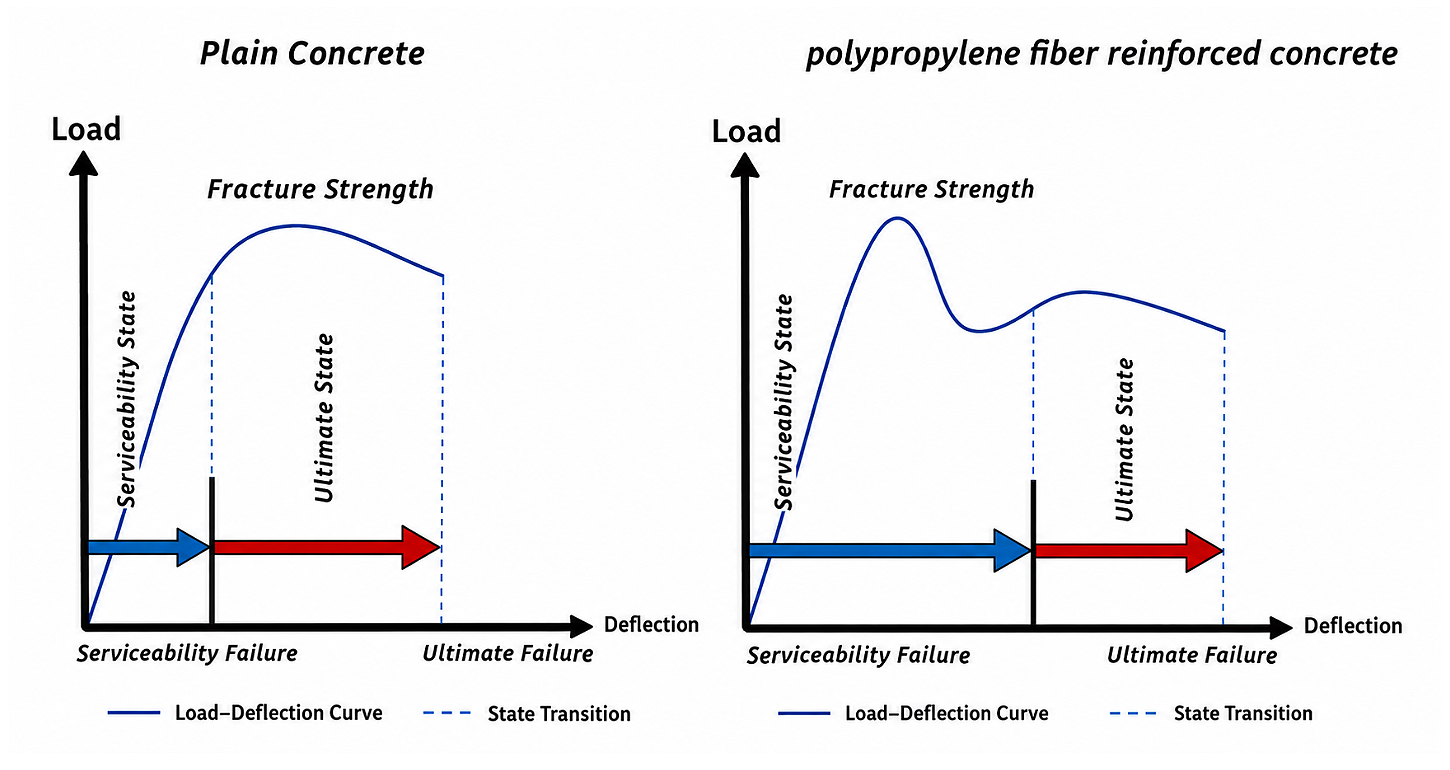 Figure 1. States of behavior of plain concrete vs. PPF-reinforced pavement [5].
This review examines comprehensively the influence of PPF on the performance of concrete pavements, integrating laboratory, field, and standardized-test evidence. Its objectives are to synthesize the effects of PPF on fresh and hardened properties, shrinkage and crack control, durability, and structural and field behavior, and to connect these findings to sustainability and to practice. Its contribution is to bring these strands together in a single pavement-focused account: where existing reviews of PPFRC are largely confined to a single theme, this work spans the full property chain, foregrounds the dose–response behavior that recurs across property classes, and treats hybrid PPF systems and life-cycle performance alongside the mechanical evidence. The remainder of the paper is organized as follows. Section Methodology of Literature Review describes the literature search, screening, and analysis methodology. Section Polypropylene Fibers: Properties and Types examines the physical, chemical, and morphological properties of PPF and its principal forms. Sections Effects on Fresh Concrete Properties through 8 address, in turn, fresh-state behavior, mechanical performance, shrinkage and crack control, durability, and structural and field performance. Section Sustainability and Economic Aspects considers sustainability and economic aspects, Section Practical Considerations and Limitations discusses practical considerations and limitations, and Sections Future Research Directions and Conclusions present future research directions and conclusions.
A structured review methodology was adopted to characterize the use of polypropylene fiber (PPF) in concrete pavements systematically and reproducibly. Peer-reviewed literature was retrieved from four databases, Scopus, Web of Science, Google Scholar, and ScienceDirect, covering journal articles, conference proceedings, and technical reports published between 2000 and 2025. This window was chosen because modern macro-synthetic polypropylene fibers for structural and pavement use, and the specifications governing them (notably ASTM C1116), consolidated from around 2000 onward, making this period the most relevant to current pavement practice; a small number of foundational earlier studies were retained by hand-selection where they underpin the mechanisms discussed [3,20–22]. Searches combined Boolean operators with the keywords “polypropylene fiber,” “concrete pavement,” “fiber reinforced concrete,” “durability,” “mechanical properties,” “PP fibers,” “pavement performance,” “macro-synthetic fibers,” and “crack resistance.”
Retrieved records were screened first by title and abstract and then by full text to assess technical relevance and methodological robustness. Inclusion and exclusion criteria were defined in advance to ensure rigor and reproducibility, and are summarized in Table 1. In brief, a study was included if PPF was a primary experimental variable, if the matrix was concrete or geopolymer concrete intended for pavement or structural application, and if empirical results were reported for mechanical performance, durability, shrinkage, or field implementation. Studies were excluded if PPF was not used directly, if no comparison against a control or alternative fiber was provided, or if the application was non-pavement and non-structural, such as masonry or mortar. Only English-language experimental, numerical, or field-based studies were considered.
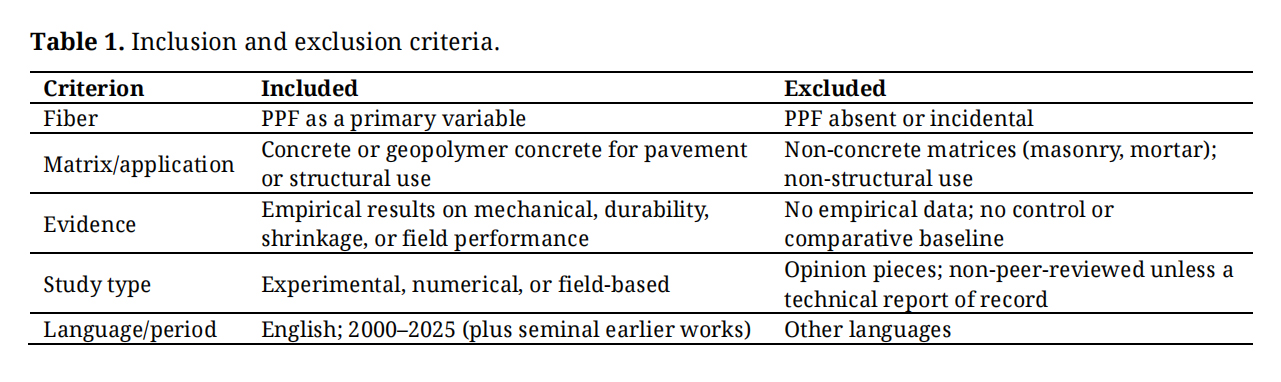 Table 1. Inclusion and exclusion criteria.
The screening and selection process is documented in the PRISMA flow diagram of Figure 2. Database searching identified 1842 records (Scopus, 598; Web of Science, 469; ScienceDirect, 388; Google Scholar, 387), from which 514 duplicates were removed, leaving 1328 records for title-and-abstract screening. Screening excluded 1022 records as clearly outside scope, and 306 reports were sought for full-text retrieval, of which 19 could not be obtained. The remaining 287 full texts were assessed for eligibility, and 122 were excluded with reasons: PPF not a primary variable (44), no control or comparative baseline (29), non-pavement or non-structural application such as masonry or mortar (22), insufficient empirical data (15), and overlapping or duplicated datasets (12). A further 23 studies were added through backward citation and hand-searching of foundational pre-2000 works and governing standards. In total, 188 studies met the inclusion criteria and were included in the synthesis.
Included studies were classified along two axes to support thematic and comparative analysis. The first grouped studies by performance domain: (i) fresh-state properties (workability, slump, bleeding); (ii) mechanical properties (compressive, flexural, and tensile strength); (iii) durability (freeze–thaw resistance, permeability, abrasion); (iv) crack control (plastic, drying, and thermal shrinkage); and (v) structural and field performance (fatigue resistance, joint behavior, long-term deformation). The second grouped studies by experimental scale, numerical simulation, laboratory-scale testing, and full-scale field work, so that findings could be compared within, as well as across, methodological levels.
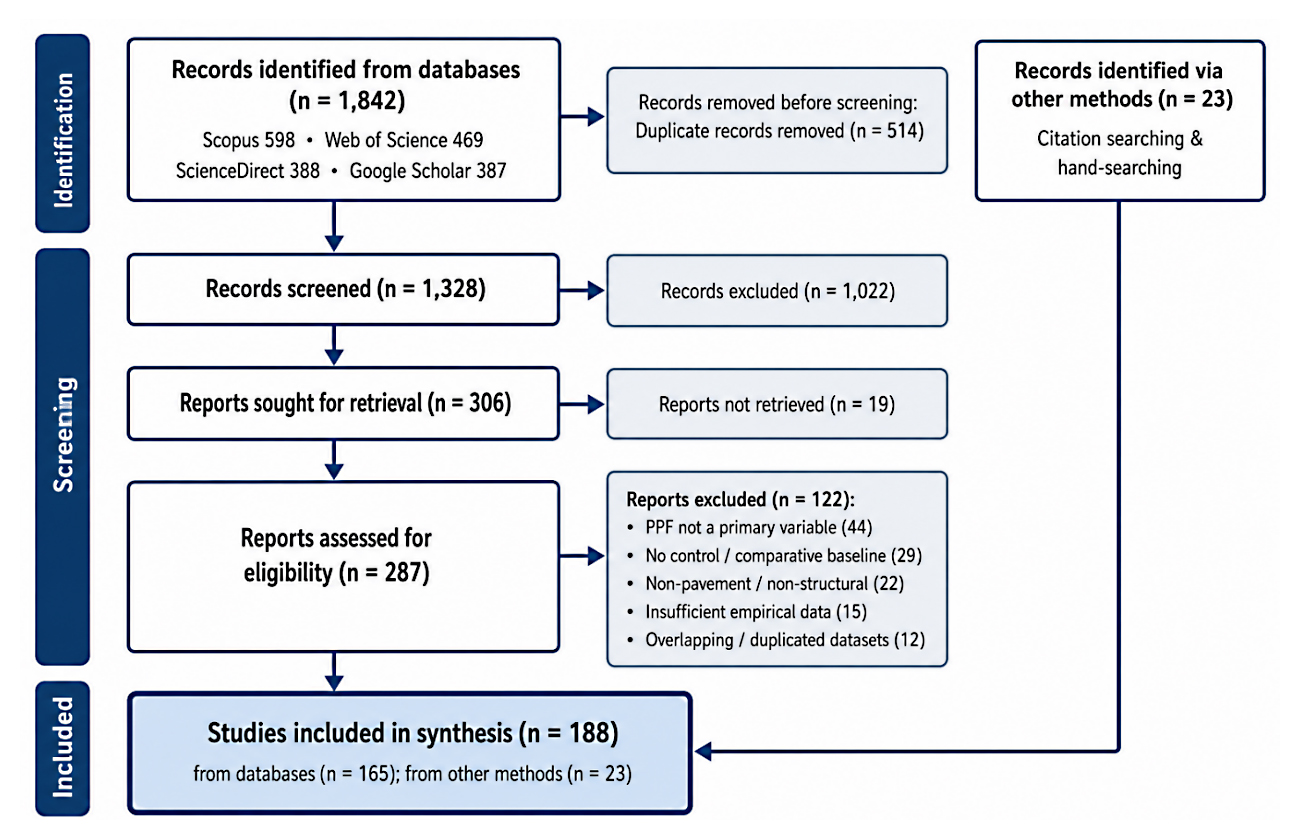 Figure 2. PRISMA flow diagram of the literature search and study selection process.
Data were extracted into a standardized comparison matrix to allow consistent qualitative and quantitative evaluation. Recorded variables included fiber dosage, aspect ratio, curing age, and test method. Where possible, reported outcomes were normalized against control mixtures to limit heterogeneity arising from differences in mix design and test protocol, and results were interpreted with reference to standardized methods such as ASTM C1116 and ACI 544. To reduce bias, geographically diverse studies were included, and reported outcomes were cross-checked against these reference procedures. The synthesis records not only performance improvements but also the limitations and inconsistencies present in the underlying data.
Polypropylene fibers are synthesized by polymerizing propylene, a petroleum by-product [23,24]. They are chemically inert, non-corrosive, hydrophobic, and of low thermal conductivity, which suits them to durable cementitious materials in chemically aggressive service [23]. Their density is approximately 0.91 g/cm3, and their melting point is 165–170 °C, giving thermal stability in hardened concrete [25]. Reported tensile strength reaches about 350 MPa with an elastic modulus of roughly 9.5 GPa (e.g., TUF-Strand SF, Euclid) [25,26]. These characteristics enhance the ductility and energy-absorbing capacity of concrete and help mitigate shrinkage and impact-induced cracking [23,27].
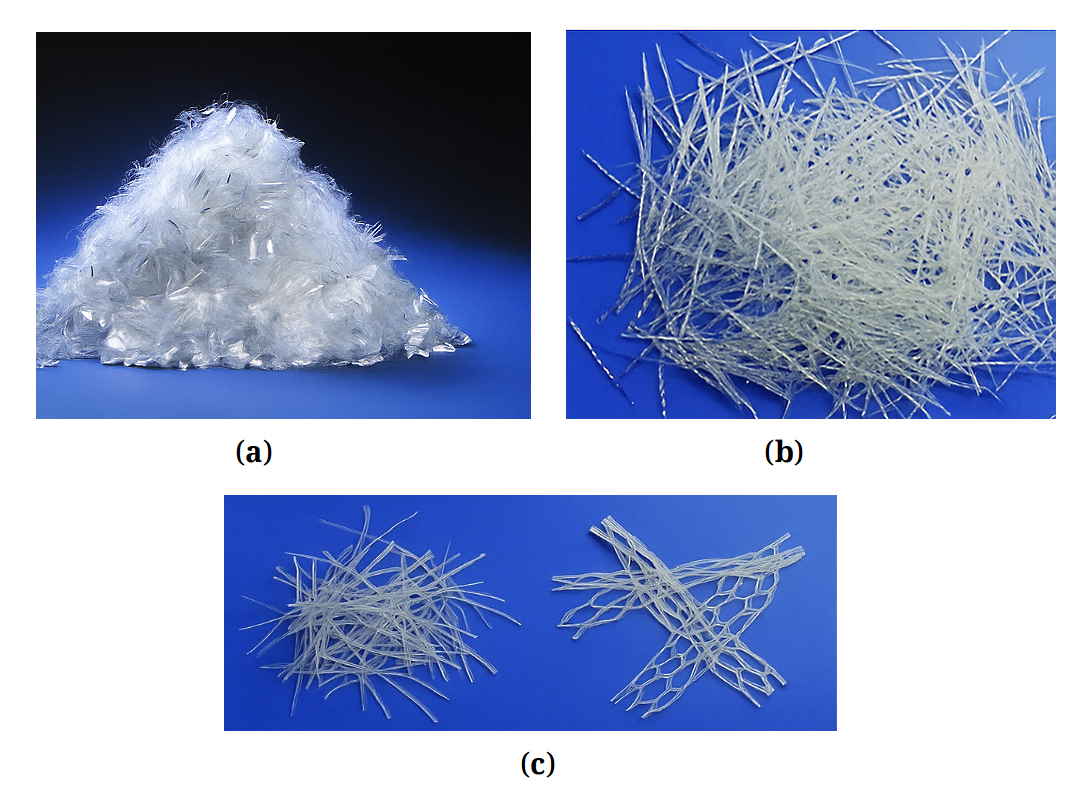
Classification: Monofilament, Fibrillated, and MacrofibersCommercial PPFs are classified chiefly by geometry and function. Microfibers, usually shorter than 30 mm and monofilament, control early-age microcracking and plastic shrinkage; their small diameter and large specific surface area promote uniform dispersion and reduce local weak points [24]. Macrofibers, typically 30–50 mm long, provide structural reinforcement, bridging cracks, improving post-cracking load transfer, and, under flexural and cyclic loading in pavements and slabs, functioning as an alternative to conventional steel reinforcement [24,28]. A third form, fibrillated fibers, is produced by mechanically splitting film-grade polypropylene into a net-like structure that improves mechanical interlock with the surrounding paste and thereby enhances bond and crack control. Figure 3 illustrates these geometries: Figure 3a microfibers for shrinkage control, Figure 3b macrofibers for structural support, and Figure 3c fibrillated fibers for matrix interlock.
Commercial PPFs are produced by melt spinning, in which molten polypropylene is extruded, drawn, and cut to specified lengths and shapes. Performance depends strongly on geometry, length, diameter, and aspect ratio (L/d). Reported lengths range from 18 mm [32] and 24 mm [28] to 50 mm [26], selected according to application, and aspect ratios typically fall between 50 and 100, with a value of 74 reported in comparative work [26]. Surface texture governs fiber–matrix adhesion: smooth fibers disperse readily but develop lower pull-out resistance, whereas embossed or crimped fibers improve mechanical interlock and post-cracking anchorage.
Advantages of PPF over Steel and Other Synthetic FibersPPF offers several advantages over steel, carbon, and glass fibers, particularly where chemical resistance and durability are decisive. Being non-metallic, they do not corrode and remain stable after prolonged exposure to moisture, salts, or aggressive chemicals that can severely degrade steel reinforcement [24,33]. Their low density reduces the weight of the composite and simplifies transport, mixing, and placement, a practical benefit in large paving projects [23]. Their chemical stability under both alkaline and acidic conditions further suits them to industrial and coastal environments [23]. Mechanically, PPF enhance energy absorption and post-cracking ductility, exceeding some mineral fibers such as glass in toughness and crack-bridging capacity [27]. Steel fibers remain superior in stiffness and ultimate load capacity; PPF are more effective at controlling shrinkage, distributing microcracks, and providing durability where corrosion resistance matters more than initial stiffness. These attributes make PPF an economical, resilient, and low-maintenance reinforcement for concrete pavements and infrastructure.
Commercial Products and StandardsCommercial PPFs are manufactured to defined specifications, including TUF-Strand SF (Euclid) and comparable products from manufacturers such as Dostkimya (Türkiye), under ASTM C1116-03 (2017) for fiber-reinforced concrete [25]. These standards set out fiber classification, performance requirements, and compatibility for concrete use, and effective performance depends on uniform dispersion and chemical inertness during mixing and placement. A wide range of commercial products is available, differing in length, diameter, and micro/macro configuration according to their intended function: crack bridging, plastic-shrinkage control, or structural reinforcement. Table 2 compares representative products.
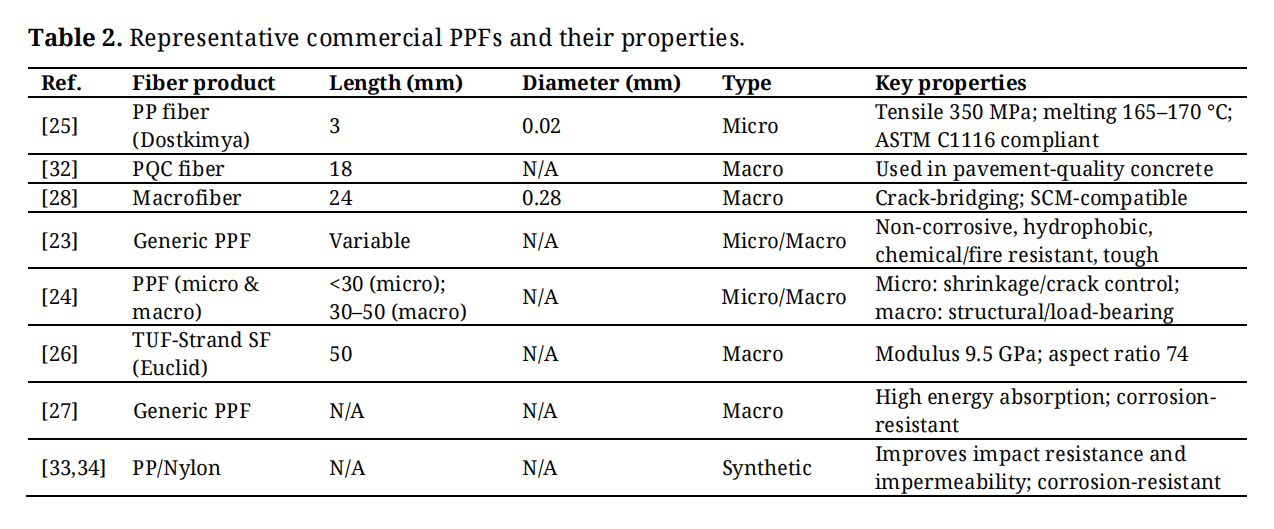 Table 2. Representative commercial PPFs and their properties.
Taken together, the evidence shows that fiber geometry, not fiber chemistry alone, governs how PPF perform in pavement concrete, and the three geometric parameters act through distinct mechanisms. Length controls crack-bridging reach: reported compressive and split-tensile strengths rise almost linearly with fiber length up to about 50 mm and then plateau or decline as workability losses offset the bridging benefit, with longer macrofibers (50–60 mm) giving the strongest correlations at moderate-to-high fiber volumes [35]. Aspect ratio mediates the trade-off between anchorage and mixability: higher ratios improve pull-out resistance and load transfer across cracks, but excessive values promote entanglement and dispersion problems, so intermediate values (around 74 in the products reviewed here) balance the two [26]. Surface texture determines interfacial bond: smooth monofilaments disperse well but pull out at low load, whereas crimped, embossed, or fibrillated forms develop mechanical interlock that raises post-cracking residual strength and toughness. For pavements specifically, these geometric effects map onto the properties that matter most: flexural capacity, fatigue and impact resistance, and control of shrinkage and reflection cracking, so geometry should be selected against the governing design objective (early-age crack control favors fine microfibers; structural load-bearing and post-crack toughness favor longer, textured macrofibers) rather than by dosage alone.
Adding PPF to concrete consistently reduces slump and workability, an effect that scales with dosage. Reported reductions range from about 6% at 0.25% fiber to 22% at 1% by volume [24], while a dosage of 0.4% has been reported to lower slump by roughly 10 cm [36]. The mechanism is physical rather than a loss of true flowability: the fiber network restrains the mobility of the cement paste, and the large specific surface area of the fibers captures additional paste and increases internal friction [37,38]. The effect is amplified in specialized systems, in lightweight expanded-clay-aggregate (LECA) concrete, PPF additions up to 1% reduced both workability and density while substantially increasing crack resistance and impact energy absorption relative to the fiber-free lightweight mix [39]. Because reduced workability is the most common practical objection to PPF, it is treated here as a design variable to be managed rather than an inherent barrier.
Segregation and BleedingAgainst this workability penalty, PPF improves mixture stability by reducing bleeding and segregation. The interwoven fiber network binds the aggregate skeleton and restricts upward water migration, a benefit most evident in high-fluidity mixtures such as self-compacting concrete (SCC). Across PPF dosages of 0.3%–1.2%, flow-test batteries (slump flow, L-box, J-ring, V-funnel) show only modest losses in flowability; for example, slump flow is reduced by about 3% and L-box ratio by about 2%, while the mixture remains cohesive and homogeneous [40,41]. Adding polypropylene fiber reduces the workability of the fresh mix by up to ~45% at fiber volume fractions near 0.9%, while shifting the failure mode from brittle to ductile through post-crack fiber bridging, representing a trade-off between ease of placement and toughness [42].
Restoring Workability: Admixtures and Fiber TreatmentThe workability loss can be offset without reducing fiber content. Superplasticizers and viscosity-modifying admixtures restore the required flow while preserving cohesion, and fiber geometry can be tuned to limit rheological disruption; crimped macrofibers (e.g., 39 mm length, 0.92 mm diameter) alter flow behavior while improving mechanical interlock [43]. Pre-soaking the fibers and applying surface treatments further improves dispersion and suppresses fiber balling, both of which are essential to maintaining consistent performance at higher dosages.
Dosage–Workability RelationshipRead across studies, the workability response to PPF is monotonic but non-linear, steepening as dosage rises. In normal concrete, slump falls by roughly 6%–22% as fiber content increases from 0.25% to 1% [24]; in SCC, a representative mixture showed a 3% reduction in slump flow together with an 18% increase in T50 and a 12% increase in V-funnel time, indicating higher flow resistance rather than instability [41]; Polypropylene fiber reduces workability, with slump losses exceeding 50% reported at around 1 wt% fiber in some mixes [44].
This trend is summarized in Figure 4, where increasing dosage from 0 to 3.5 kg/m3 reduces slump from 185 mm to 95 mm [45]. The consistent implication is that fiber content must be optimized to balance constructability against the mechanical and durability benefits, since the surface-area and entanglement effects that degrade workability are the same ones that later govern crack bridging. Table 3 summarizes the reported effects of PPF on fresh-state behavior.
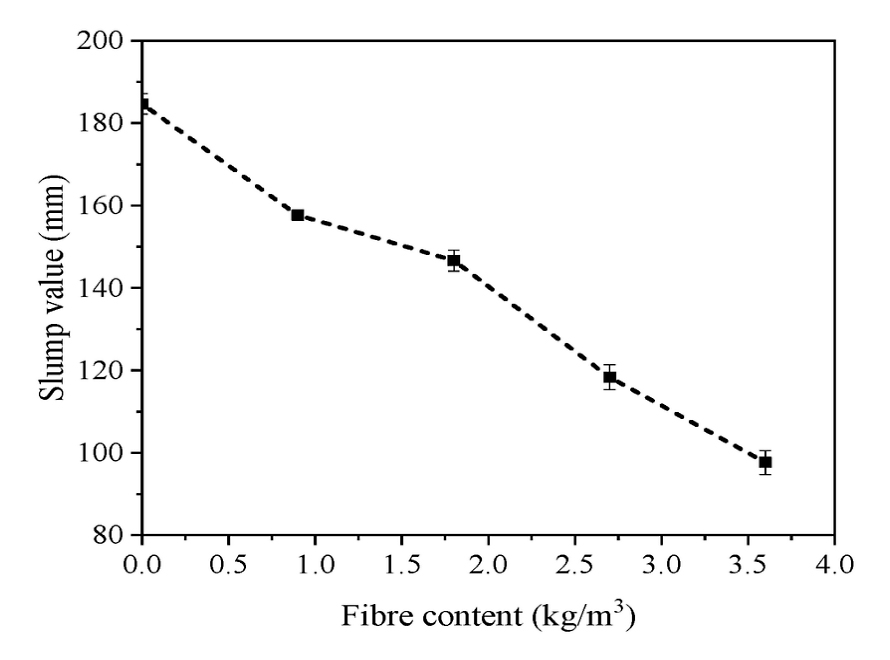 Figure 4. Effect of PPF dosage on concrete workability [45].
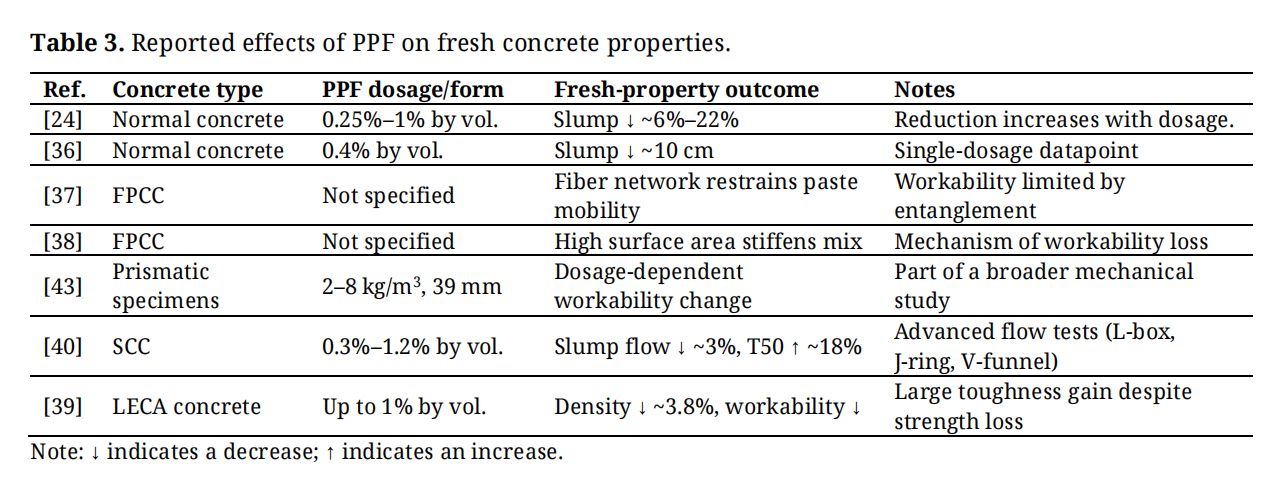 Table 3. Reported effects of PPF on fresh concrete properties.
The mechanical role of PPF is best understood before the property-by-property data. Distributed as a discontinuous three-dimensional network, the fibers do little while the matrix is intact but become active once a crack forms: they span the crack faces, transfer tensile stress across the opening, and convert what would be an abrupt brittle separation into a gradual, energy-absorbing process. Because polypropylene has a low elastic modulus (~9.5 GPa) and bonds only weakly to the hydrophobic-corrected paste, pulling out rather than rupturing in most tests [22,36,46], its contribution is concentrated in the post-cracking regime rather than in peak strength. This single mechanism explains the pattern that recurs throughout this section: PPF add little to compressive capacity but substantially improve flexural and tensile response, toughness, impact resistance, and residual strength, and they do so most effectively within a moderate dosage window, beyond which entanglement and void formation reverse the benefit.
Compressive StrengthThe effect of PPF on compressive strength is modest and strongly conditional on mix design and dosage, and the two competing outcomes reported in the literature reconcile once the governing condition is stated explicitly. In well-compacted normal- and high-strength concretes, moderate dosages of roughly 0.3%–1.0% produce small gains, commonly 3%–20%, through microstructural fortification and crack arrest [12,24,47]; roller-compacted concrete shows a similar optimum, with ~23% gains at 0.1%–0.3% [48–50], and PPF also help preserve residual compressive strength after high-temperature exposure (reported gains of 8.3%–11.9% post-heating) as melted fibers relieve pore pressure and suppress spalling [51–53]. Above about 1%, or in porous, lightweight, and high-water-demand systems, the trend reverses: entrapped air, added voids, and lost workability reduce matrix cohesion, so compressive strength falls, sharply in lightweight matrices (LECA/OPS reductions of 10%–65%) [39,54], and moderately in geopolymer and UHPC systems at high fiber content [19,55–58]. Compressive gains are therefore realized only where the matrix remains dense and fully compacted; elsewhere, PPF trade peak strength for the toughness and durability benefits developed below. Fiber geometry modulates this within the favorable window; longer macrofibers correlate more strongly with compressive gains up to about 50 mm before workability losses dominate [35,59], and hybridization with nano-silica or engineered fiber shapes can raise compressive strength by up to ~25% by improving fiber–matrix adhesion [60–62].
Flexural and Tensile StrengthIt is in flexure and tension that PPF earn their place, and the improvements here are both more consistent and larger than in compression. Across normal, high-strength, pervious, geopolymer, and ultra-high-toughness concretes, appropriate PPF dosing raises flexural strength by roughly 10%–49% and tensile strength by up to about 30% at volumes of 0.5%–1.0% [12,19,63,64], with ultra-high-toughness systems reporting flexural gains of 184%–254% [65]. A representative optimum is reported at 0.5% dosage, where flexural and tensile strength rose by about 18% and 12%, respectively, without a meaningful workability penalty [24]. The mechanism is crack bridging: fibers intercept microcracks and redistribute tensile stress, shifting the failure mode from brittle to ductile and raising energy absorption [63,66]. Fiber length is decisive here; indirect (split) tensile strength rises almost linearly with fiber volume, and most strongly for 50–60 mm fibers [35], and long fibers in geopolymer concrete raised tensile strength by 38.8% through more effective bridging [59]. In pavement and layered systems, the absolute flexural and tensile gains are smaller but functionally important, since they act on post-crack ductility and residual capacity under repeated load [36,46,67–70]. Table 4 consolidates the strength effects across concrete types.
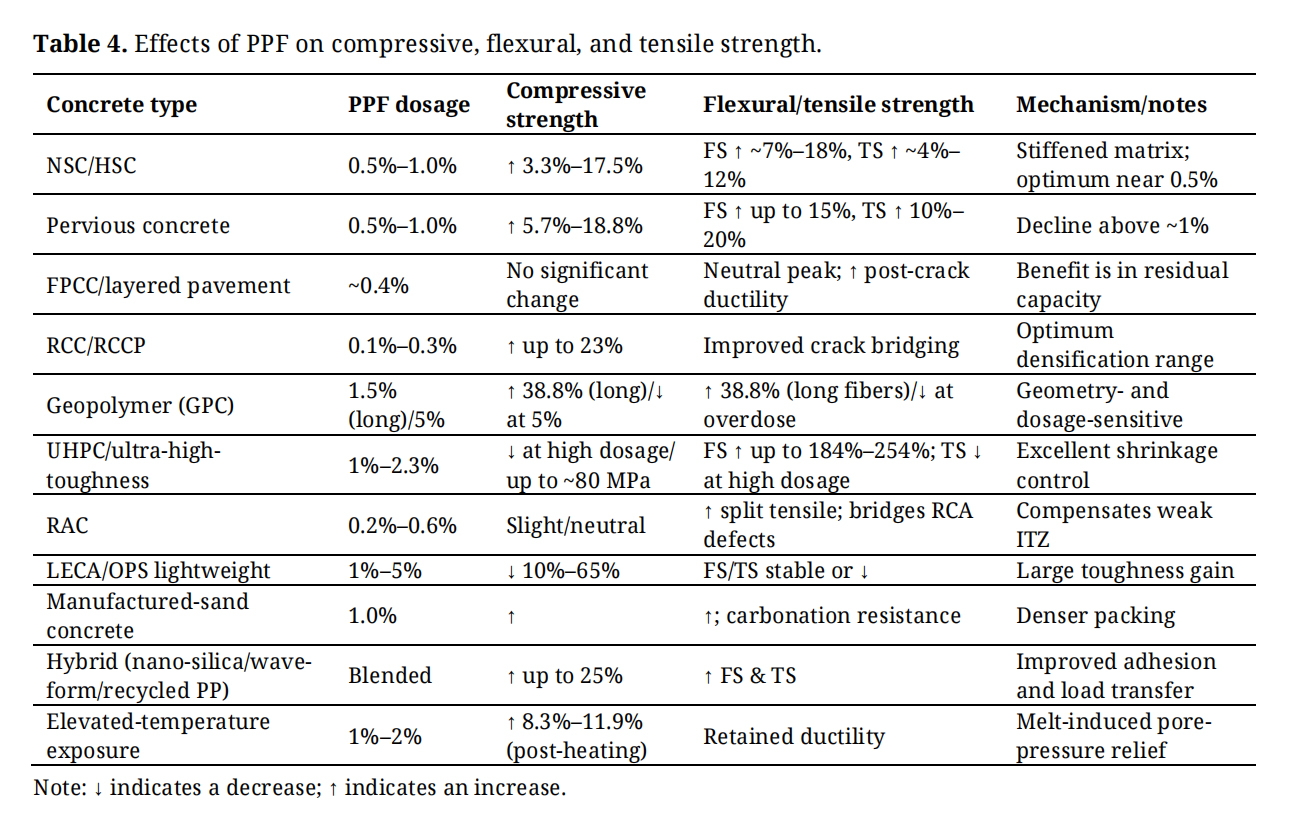 Table 4. Effects of PPF on compressive, flexural, and tensile strength.
The clearest and most consistent benefit of PPF is the increase in toughness, energy absorption, and impact resistance, since all three draw directly on the post-cracking bridging mechanism. In lightweight and porous matrices, the effect is dramatic; impact energy absorption in LECA and OPS systems rises by roughly an order of magnitude despite reduced compressive strength, because the fibers span the pores of a naturally weak matrix and sustain large deformation before failure [39,54,71]. In conventional and standard-strength concretes, modest dosages (0.4%–1.0%) raise flexural toughness, fracture energy, and residual strength while leaving peak strength largely unchanged, the behavior most relevant to fatigue-loaded pavements [12,23,46,68,69]. In recycled-aggregate concrete, the gain is proportionally largest, with fracture-energy increases of roughly 179%–381% that scale linearly with dosage, reflecting how effectively PPF compensate for the microdefects and weak interfacial zones of recycled aggregate [72]. Laboratory impact tests reported by Li et al. found that adding 0.8 kg/m3 of polypropylene fiber increased the impact resistance of airport pavement concrete by about 250%, consistent with broader laboratory findings on PPF [73]. Steel fibers still exceed PPF in peak fracture toughness, but PPF offers economy, corrosion resistance, chemical inertness, and better dispersion, and hybrid steel–PPF systems combine the two: steel for stiffness, PPF for ductility and strain-rate resistance [72,74]. Beyond an optimum near 0.5%, toughness gains plateau or decline as fiber agglomeration degrades dispersion [75].
Post-Cracking Behavior and Residual StrengthThe practical value of the toughness gains is expressed in post-cracking load-carrying capacity. Once the matrix cracks, PPF-reinforced sections retain a substantial fraction of peak load rather than failing abruptly: reported residual strengths reach roughly 30%–60% of peak in normal and prismatic specimens [24,43], and layered and roller-compacted pavement systems retain at least ~20% of peak load while shifting from brittle to progressive ductile failure [46,49,69]. This behavior is dosage- and geometry-dependent; longer fibers delay wide-crack formation and give slower post-peak load decay [59], and the effect strengthens with fiber volume: at higher dosages the load–deflection response develops a long, stable post-peak plateau (evident in the multiple-cracking behavior at Vf up to 2.0%) [5]. The comparison with steel is instructive: although PPF develop lower absolute residual strength than steel (roughly 27%–32%) or glass (~12%) fibers [12], a mixture with 0.78% PPF sustained a higher and more stable post-cracking load than one with 0.45% steel fiber, despite a lower initial peak [76], a profile well suited to pavements and slabs, where post-crack toughness and deflection tolerance matter more than peak capacity. Table 5 consolidates the toughness, impact, and post-cracking evidence.
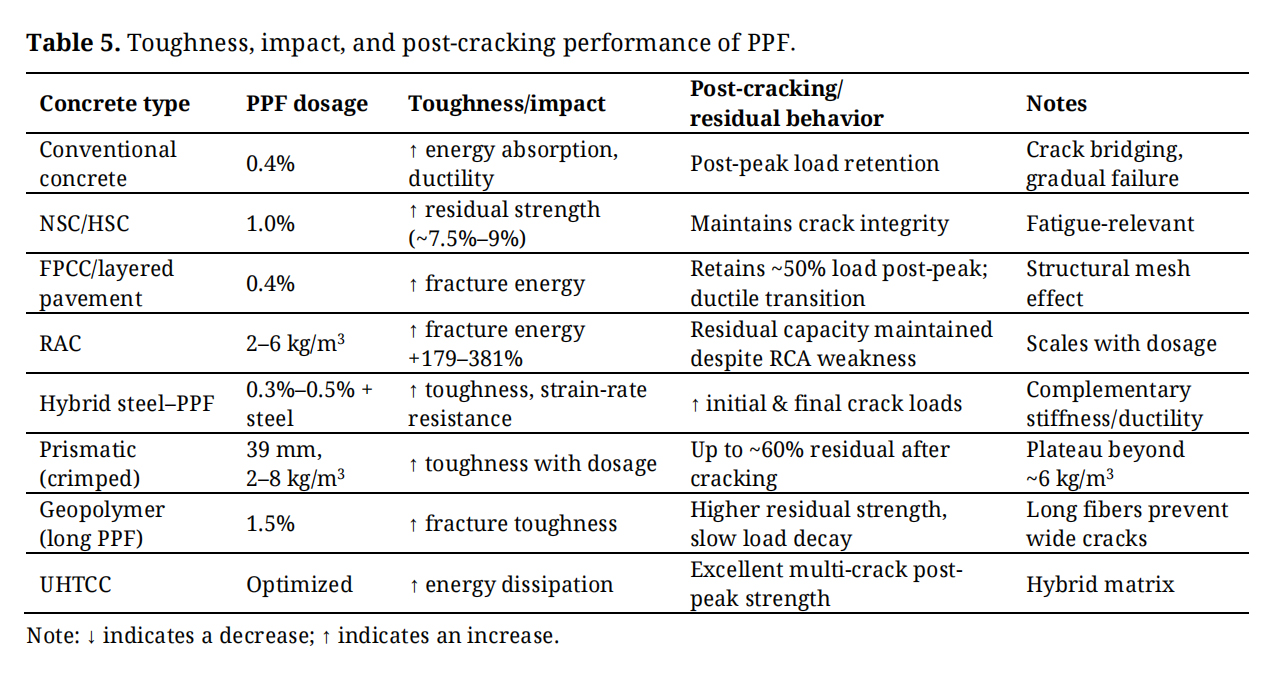 Table 5. Toughness, impact, and post-cracking performance of PPF.
The most consistent early-age benefit of PPF is the suppression of plastic shrinkage and the cracking it causes during the first hours after placement, before the matrix has developed tensile strength. The effect is largest in mixtures prone to rapid moisture loss, foam, high-water, and permeable concretes, where shrinkage stresses and moisture gradients are steepest. In low-density foam concrete, PPF reduced specimen failures during demolding within the first 24 hours, indicating that the fibers resist strain stresses before full tensile capacity develops [77]. The mechanism is a fine, self-dispersing microfiber network of low diameter and high specific surface area that bridges microcracks as they initiate [78–80], suppressing their development and coalescence [81].
The quantitative evidence is strong. In pervious concrete, 0.5%–1% PPF reduced early moisture loss and shrinkage [70]; in conventional concrete, PPF reduced drying shrinkage and water absorption while improving impermeability [23]; and in a controlled pavement study, 0.8 kg/m3 PPF delayed first cracking by more than two hours and reduced cracked area by up to 62% relative to plain concrete [82]. Restrained-shrinkage testing across cement–sand–water proportions shows the dose effect directly: raising PPF from 0.1% to 0.3% progressively reduced crack area and maximum crack width, and at 0.2%–0.3% eliminated visible plastic-shrinkage cracks in most conventional mixes [83]. Reported plastic-shrinkage reductions reach 50%–100% depending on fiber and mix [4,84], though these gains depend on adequate dosage, dispersion, and matrix compatibility; excessive fiber or poor dispersion raises void content and can offset the benefit. In practice, PPF acts on early cracking through four linked effects: slowing crack initiation, delaying first-crack opening, limiting crack area and width by bridging nascent microcracks, and reducing permeability and moisture loss. These make PPF an economical route to durability in slabs, sidewalks, thin overlays, and restrained sections, and allow thinner pavements with reduced conventional reinforcement [85]. Table 6 summarizes the plastic-shrinkage evidence.
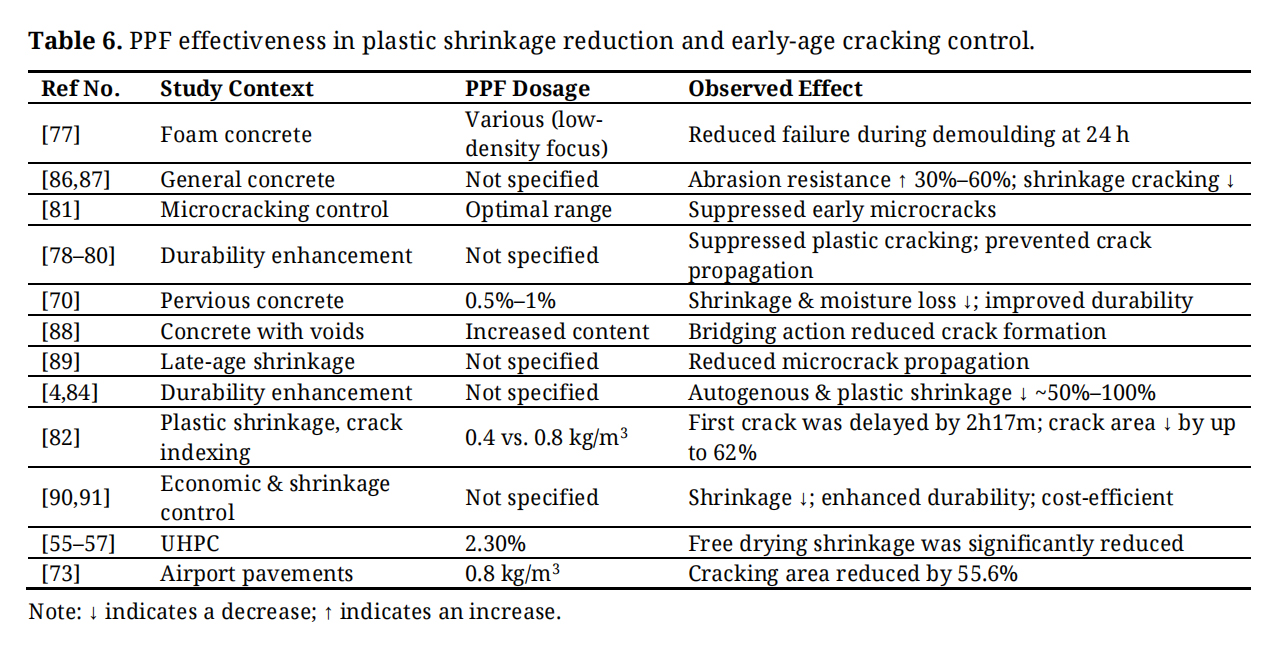 Table 6. PPF effectiveness in plastic shrinkage reduction and early-age cracking control.
PPF also restrains longer-term drying shrinkage through delayed microcracking and fiber bridging. By physically intercepting early tensile microcracks, the fibers prevent their coalescence during the critical early-drying stage [81], while the interwoven network reduces moisture loss, restrains shrinkage deformation, and improves matrix impermeability [23,89]. This is directly relevant to pavements, where restrained drying shrinkage drives slab curling, joint distress, and surface strain. The benefit extends across mix types: in pervious concrete, moderate fiber volumes (0.5%–1%) stabilize the interconnected pore structure during moisture evaporation [70]; in general fiber-reinforced concrete, an improved interfacial transition zone (ITZ) delays crack development under drying strain [88]; and in advanced systems, PPF reduce autogenous shrinkage by roughly 50% and improve late-stage tensile support [4,84]. Even in the dense microstructure of UHPC, dosages up to 2.3% meaningfully reduce free drying shrinkage, a benefit for thin overlays and specialized pavement panels, though with a minor compressive-strength penalty [55–57]. In geopolymer and recycled-aggregate concretes, longer fibers improve crack-bridging capacity and fracture toughness under drying-induced stress and bridge the microdefects inherent to recycled aggregates [59,92]. Reported optima cluster at 0.5%–0.75% PPF, beyond which fiber compaction or reduced workability can increase shrinkage [93]. Table 7 consolidates the drying-shrinkage evidence.
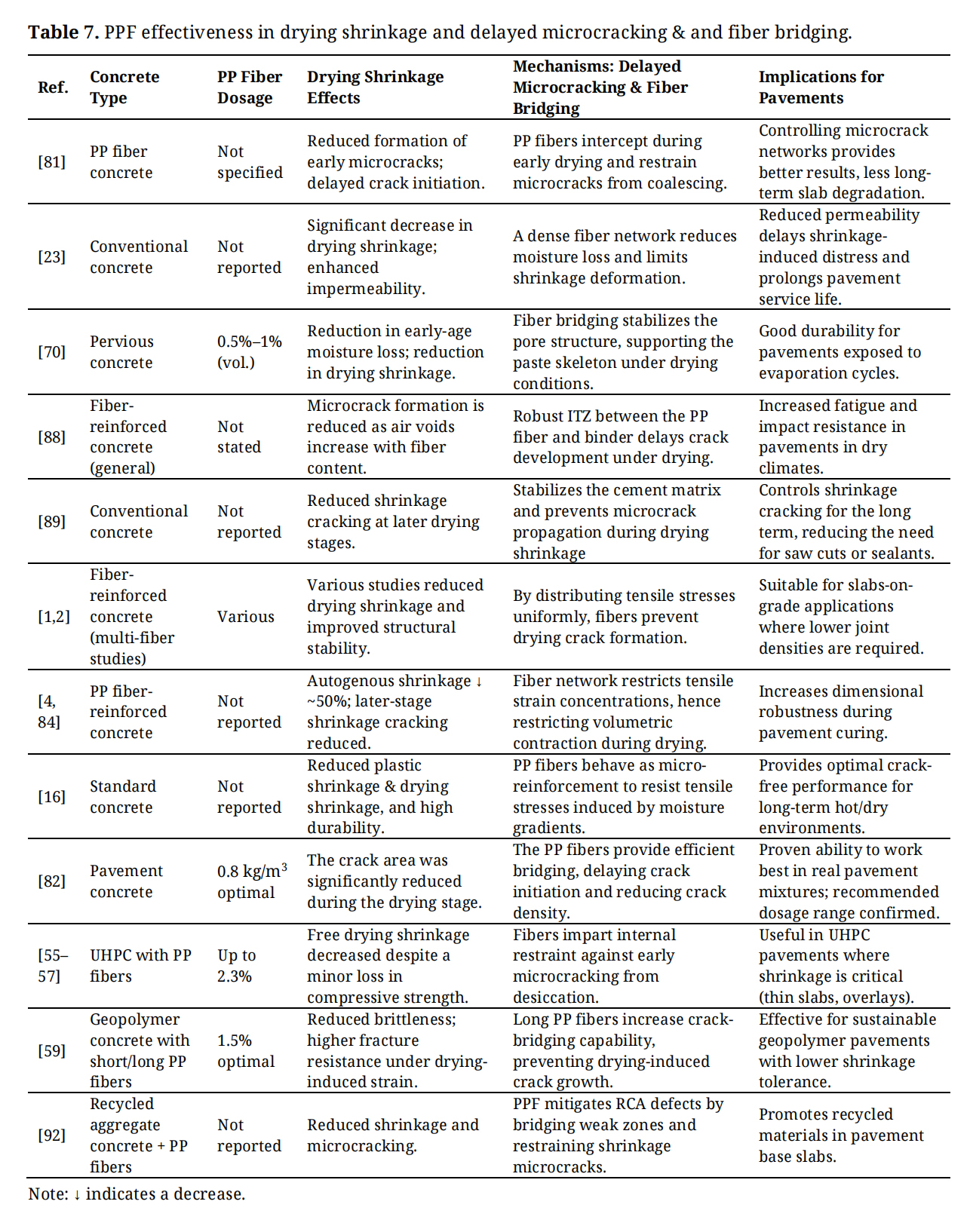 Table 7. PPF effectiveness in drying shrinkage and delayed microcracking & and fiber bridging.
Thermal gradients from cement hydration and environmental cycling cause cracking in temperature-sensitive elements such as airport pavements and large slabs, and PPF mitigates this through low thermal conductivity, flexibility, and crack bridging. By redistributing internal stresses generated during heating and cooling, the fibers reduce thermal shrinkage cracking and improve dimensional stability across temperature cycles [39,92]. Hybrid systems pairing PPF with steel or basalt further improve thermal fracture resistance and support the use of thinner slabs without loss of durability [94,95]. A distinct high-temperature benefit arises from polypropylene’s melting behavior: above roughly 165–170 °C, the fibers melt to leave pressure-relief channels that vent vapor and combat explosive spalling [96,97], valuable for pavements exposed to high thermal stress such as airport aprons and tunnel linings. Microstructural studies of thermally damaged hybrid concrete show the sequence directly, from an intact fiber-reinforced matrix, through thermally induced ITZ and matrix cracking whose growth PPF restrains by stress redistribution, to partial crack healing under post-fire water re-curing [98]. In advanced binders (UHPC, geopolymer) with high heat of hydration, PPF provides internal restraint against thermally induced contraction and reduces early-age thermal cracking [55–57,59]. Table 8 summarizes the thermal-cracking evidence.
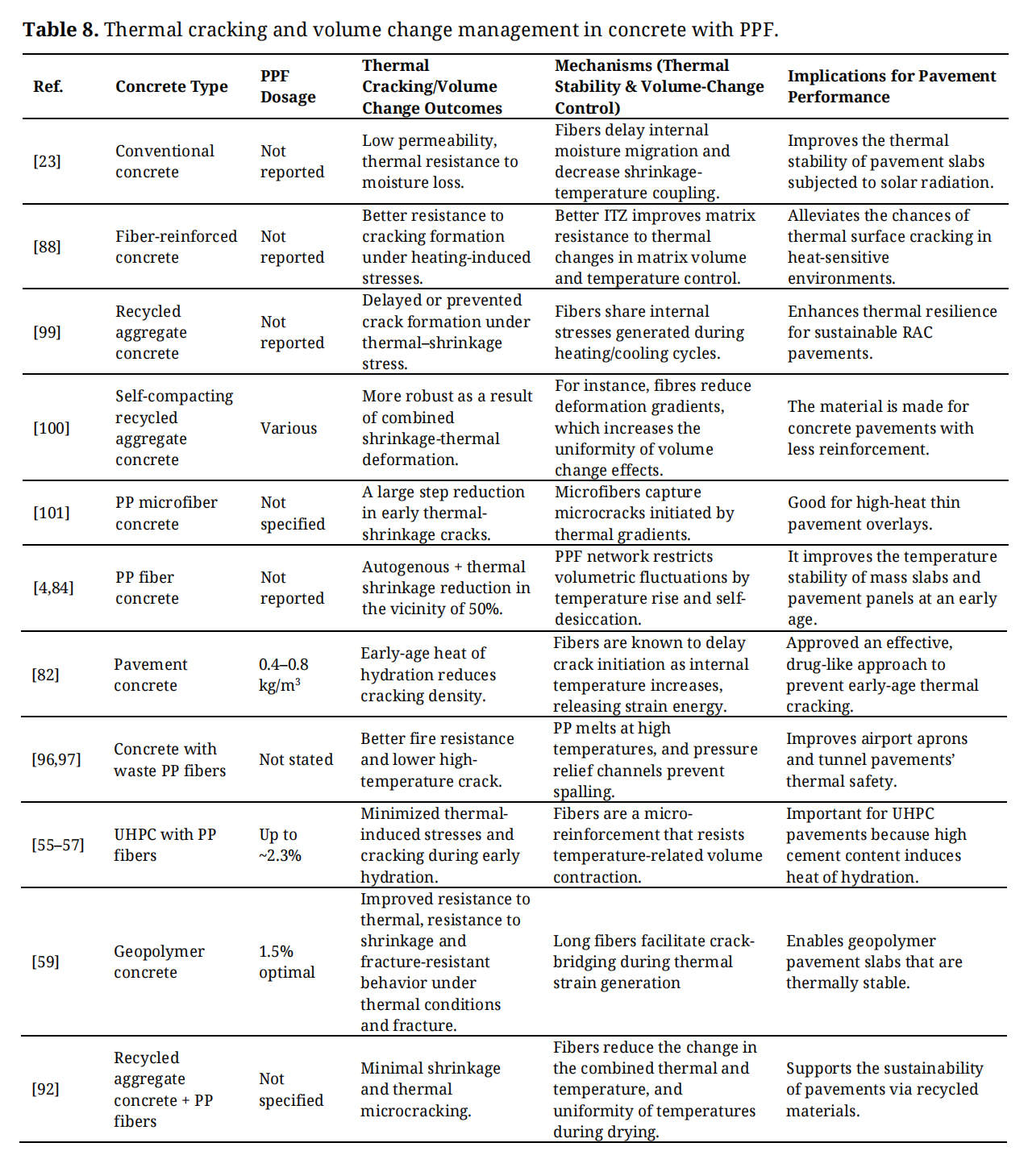 Table 8. Thermal cracking and volume change management in concrete with PPF.
The shrinkage and crack-control benefits of PPF are especially valuable in the recycled and pervious systems that support sustainable pavement design, where the base material is inherently more crack-prone. In recycled-aggregate concrete (RAC), even modest dosages (0.2%–0.6%) improve crack management and offset the performance losses associated with the porosity and weak ITZ of recycled aggregates, with consistent gains in bending, splitting-tensile, shear, and compressive strength sustained up to about 50% aggregate replacement [100,102–105]. In pervious concrete, PPF stabilize the paste skeleton, reduce shrinkage and moisture loss, and raise tensile and flexural strength while preserving permeability [70]. Hybrid steel–PPF systems recover the post-cracking strength that recycled matrices lack [106–108], and recycled-source PPF, including fibers recovered from single-use face masks, suppress shrinkage cracking and improve resistance to chloride penetration, carbonation, and fire in line with circular-economy goals [96,97].
Temperature moderates these benefits. In RAC, PPF gave the highest early strain capacity (up to ~0.5% at 23 °C), exceeding both plain and steel-fiber RAC in early ductility, but this advantage declined with rising temperature as the polypropylene approached its melting point, strain capacity fell to about 0.33% at 600 °C, so PPF are most effective for ambient and moderate-temperature crack control, with steel fibers more durable at high temperature [109]. Overall, PPF act as effective modifiers for both RAC and pervious concrete, enabling these sustainable materials to meet structural and durability requirements for pavements while reducing demand for virgin aggregate. Table 9 consolidates the RAC and pervious-concrete evidence.
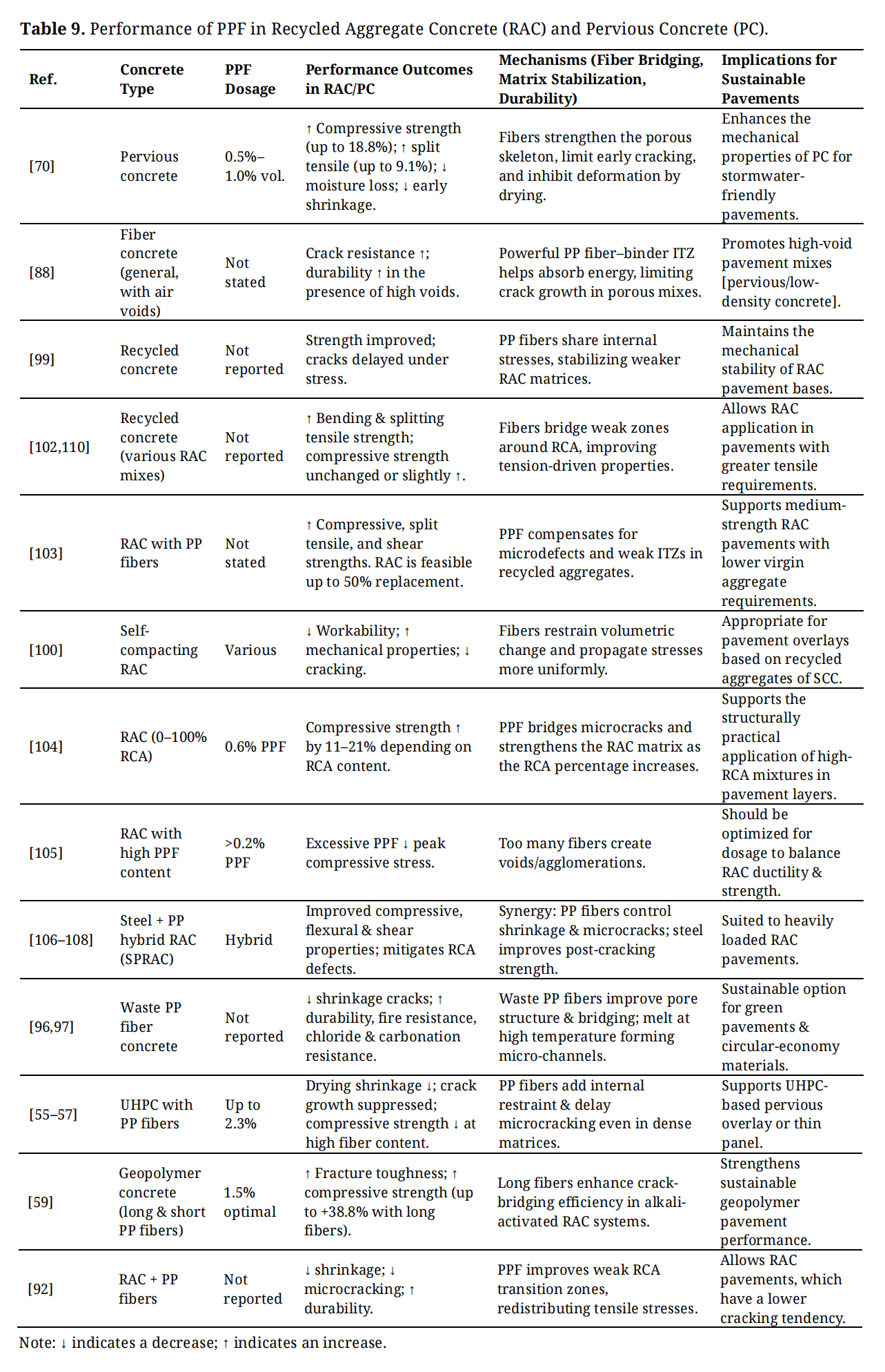 Table 9. Performance of PPF in Recycled Aggregate Concrete (RAC) and Pervious Concrete (PC).
The durability benefits of PPF rest on two linked effects: densification of the matrix and control of crack propagation. Combining fibers with an optimized target density produces smaller, more uniformly distributed pores, which lowers permeability and interrupts the transport paths that aggressive agents rely on [77,111]. On top of this, the fiber network bridges microcracks under load, limiting crack width, improving post-cracking ductility, and restricting the ingress routes that would otherwise accelerate deterioration (Figure 5) [112]. Every durability mechanism discussed below follows from this combination of a finer pore structure and an actively bridged crack system.
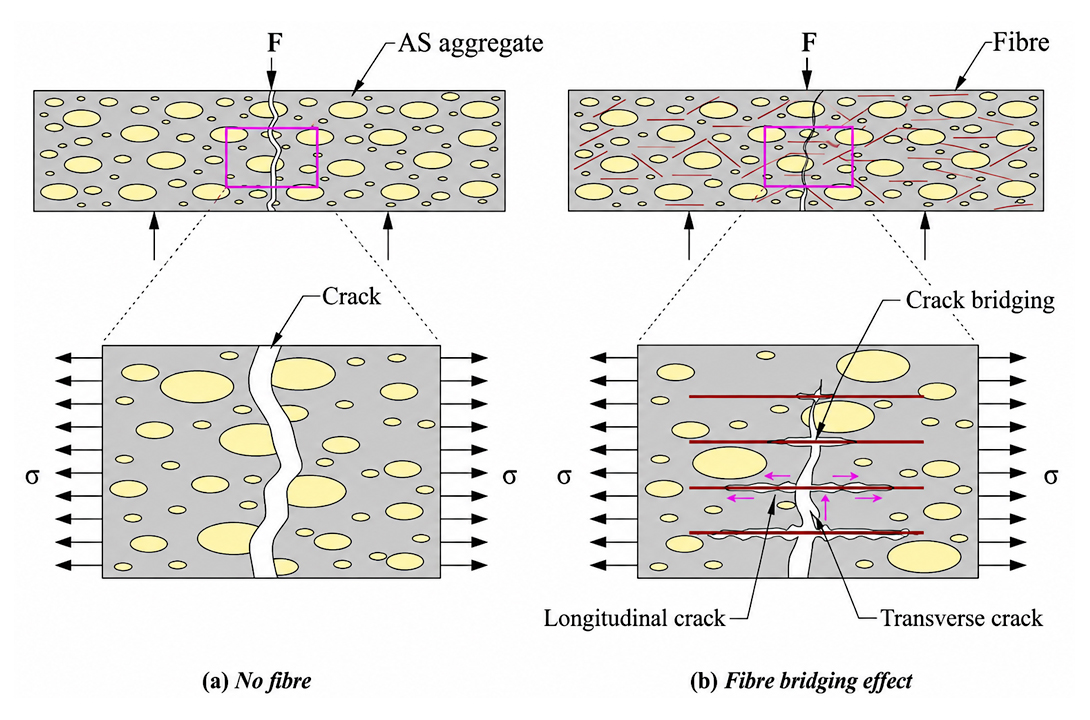 Figure 5. A schematic of the fiber bridging process in PPFRC. (a) With the lack of fibers, there is a direct crack path under the tensile stress. (b) In the presence of PPF, fibers intercept cracks & bridge them, reducing crack width and improving stress redistribution [112].
PPF improves resistance to cyclic freezing and thawing at volumes of about 0.5%–1.5%, chiefly by dissipating internal expansion stresses and mitigating frost heave [113–117]. Compared with glass fibers, PPF better preserves the dynamic elastic modulus and reduces mass loss in damage-sensitive materials such as dry-shotcrete composites [81].
Abrasion and Skid ResistanceSurface durability improves through the same crack-bridging action, which raises near-surface tensile capacity and resistance to wear. Around 1.25% fiber content has been reported to increase abrasion resistance by up to about 60% and tensile strength by about 30%, with skid resistance up to 25% higher than control mixtures. Regression analyses across studies show a consistent positive relationship between fiber volume fraction and surface-wear performance [118,119], which is directly relevant to the trafficked surfaces of pavements and industrial floors.
Permeability, Chloride, and Carbonation ResistanceReduced permeability is a central durability benefit. Studies of self-compacting and geopolymer concretes report a clear inverse relationship between PPF content and water absorption, which in turn improves resistance to chloride ingress, carbonation, and acid attack [2,63,120,121]. This matters most in marine, freeze–thaw, and chemically aggressive settings, such as docks, dams, bridges, and pavements, where transport-driven degradation governs service life. Manufactured-sand concrete with 1% PPF, for example, showed improved carbonation resistance alongside its strength gains [121].
High-Temperature and Fire PerformanceAlthough a full fire-design treatment lies outside a pavement-focused review, high-temperature behavior is retained here because specific pavement contexts, airport aprons, tunnel linings, and elements exposed to thermal cycling are genuinely fire- and heat-critical. Under elevated temperature, polypropylene melts to leave a network of fine channels that relieve internal pore pressure, reducing thermal spalling and preserving structural integrity [122,123]. Hybrid systems pairing PPF with steel or basalt improve ductility and reduce degradation at high temperature [51,94,124], and roller-compacted and high-strength concretes retain better post-crack behavior and fracture toughness under thermal and dynamic loading when PPF are added [49,51,53]. The benefit diminishes as temperature approaches and exceeds the fiber’s melting range, so PPF are most effective against moderate thermal exposure and spalling rather than sustained high-temperature strength.
Chemical Resistance and Hybrid SystemsBecause polypropylene is chemically inert and non-corroding, PPF contribute to chemical durability without the corrosion vulnerability of steel. Hybrid basalt–PPF systems in particular have shown improved splitting-tensile capacity, load distribution, and resistance to sulfate and carbonation attack [94,124,125], making PPFRC suitable for wastewater structures, foundations, and industrial slabs exposed to aggressive chemistry.
Field Durability in PavementsThese laboratory mechanisms translate into improved long-term field performance. Across pavement studies, PPFs are reported to reduce rutting, reflection cracking, and fatigue cracking and to improve impact resistance and service tolerance [126–131]. A six-month field study of rigid pavements incorporating polypropylene fiber reported improved durability and cost-effectiveness relative to unreinforced sections [132]. Collectively, the freeze–thaw, abrasion, permeability, thermal, and chemical benefits combine to extend pavement service life and reduce maintenance demand, which is the practical basis for the sustainability case developed in Section Sustainability and Economic Aspects. Table 10 summarizes the durability mechanisms and their pavement-relevant evidence.
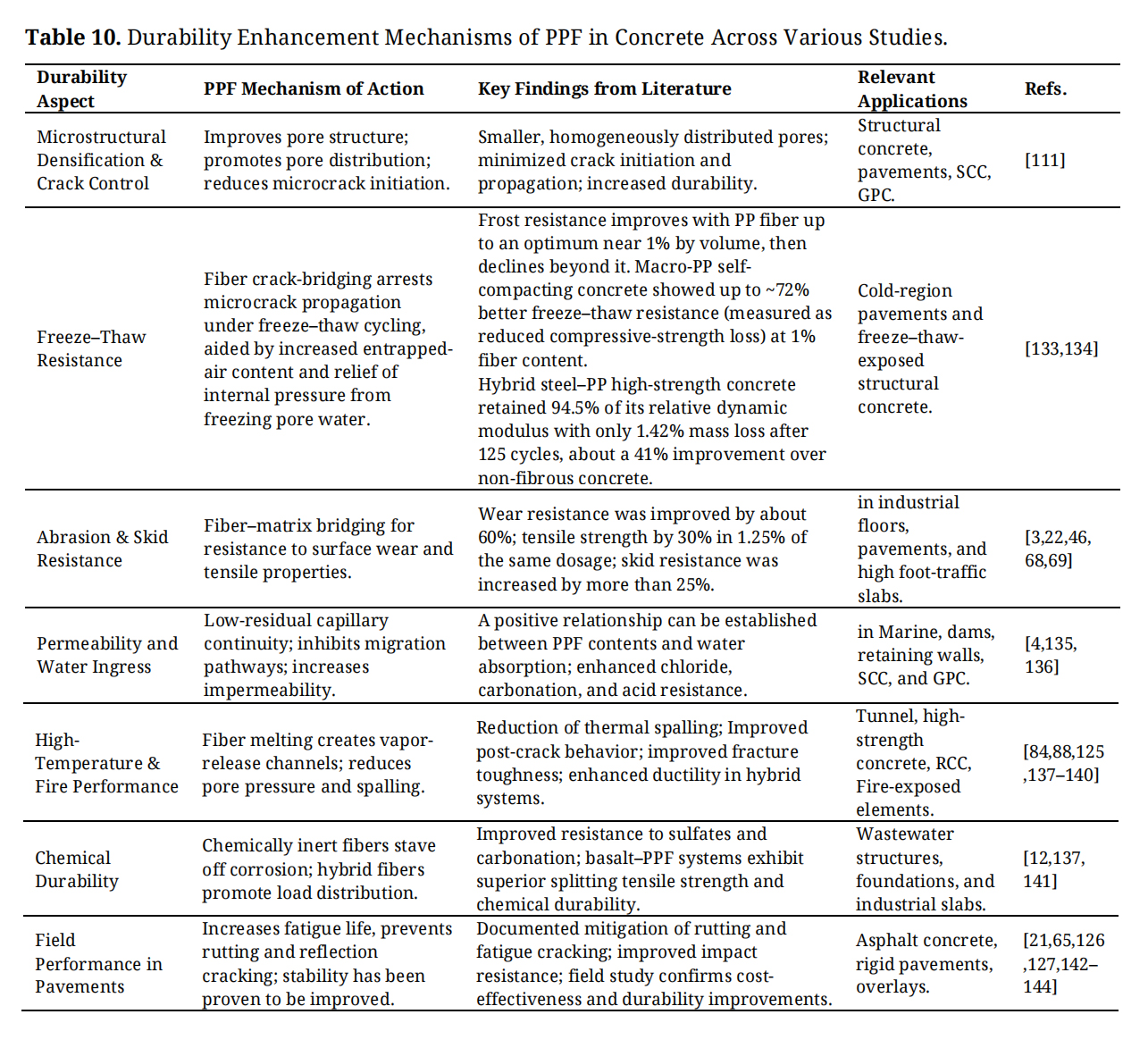 Table 10. Durability Enhancement Mechanisms of PPF in Concrete Across Various Studies.
The laboratory behavior developed in Section Mechanical Performance, Section Shrinkage and Crack Control and Sections Durability carries through to structural and field performance. Through their random three-dimensional distribution, PPF bridge microcracks in the matrix improve crack resistance, and this translates into measurable structural gains in the applications that follow [81]. In geopolymer concrete, PPF improves tensile strength and crack control effectively enough to support GPC as a lower-carbon pavement alternative [19], and in rubberized concrete they raise tensile and compressive strength together with abrasion and skid resistance, the latter improved through better fiber–matrix bonding where pozzolanic additions such as palm-oil fuel ash are present [145].
Structural Optimization and Section ReductionA practically important benefit is that PPF allows thinner pavement sections at equivalent load capacity. Incorporating 1% PPF in normal-strength concrete has been reported to reduce required pavement thickness by up to about 18% while preserving load-carrying capacity [12,20]. The fibers also improve flexural strength, impact resistance, and fatigue life, properties that govern performance under the cyclic loading of airport pavements and highways. In layered pavement systems, PPF raised peak load capacity and fracture energy [146], and hybrid steel–PPF systems improved both initial and final crack loads, giving synergistic fatigue resistance [36,147].
Performance under Thermal and Cyclic LoadingPPF improves mechanical resilience under combined thermal and mechanical exposure. In recycled-aggregate concrete tested across temperature, PPF-reinforced mixtures were more ductile, with delayed peak stress and improved post-peak strain capacity at 23 °C and 300 °C relative to plain and 25%-recycled RAC; performance in all systems declined at 600 °C as the polypropylene degraded, but the fiber-reinforced mixtures retained superior energy absorption and deformation capacity throughout (Figure 6) [109]. This ductility under thermal and cyclic loading underlies the successful use of PPFRC in tunnels, bridge decks, ground slabs, and airport pavements [11,43,148].
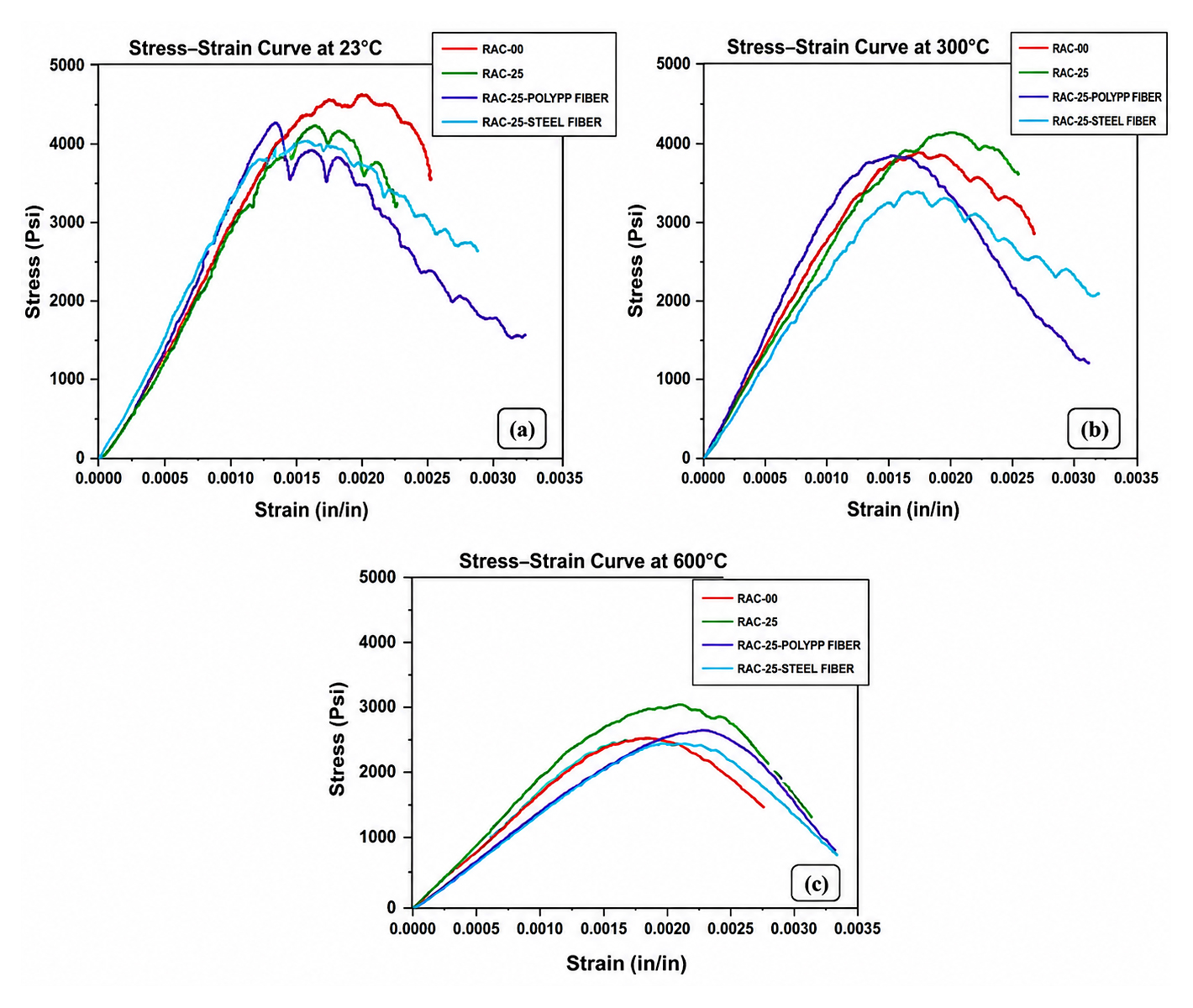 Figure 6.
Stress–strain response of RAC mixes augmented with polypropylene and steel fibers at (a) 23 °C, (b) 300 °C, and (c) 600 °C [109].
Figure 6.
Stress–strain response of RAC mixes augmented with polypropylene and steel fibers at (a) 23 °C, (b) 300 °C, and (c) 600 °C [109].
Field studies broadly confirm the laboratory findings. Instrumented pavement sections have shown stable strain response under real traffic over time, and one field study of a polypropylene-fiber road pavement at a dosage of about 3.5 kg/m3 reported performance consistent with a projected service life exceeding 30 years [132]. Monitoring technologies such as fiber-Bragg-grating (FBG) sensors now allow real-time measurement of strain, deformation, and crack evolution in PPF-reinforced pavements, supporting reliable long-term performance assessment in demanding infrastructure [149–151].
Environmental and Economic DimensionPPF also carries an environmental and economic benefit at the structural scale, since thinner sections reduce cement and aggregate consumption and thereby lower embodied carbon and material cost [85,152]. The embodied energy and transport burden of PPF are considerably lower than those of steel fiber [85], and balanced hybrid systems combining PPF with basalt, steel, or PVA fibers provide improved compressive strength, shrinkage control, and crack resistance under both static and dynamic loading [153–155]. These points are developed quantitatively in Section Sustainability and Economic Aspects.
Application RangeAcross the studies reviewed, PPF has been applied effectively in geopolymer and rubberized pavements, ordinary and layered pavement structures, lightweight systems (LECA, OPS), and recycled and rubberized mixes, with hybrid PPF systems showing the strongest crack resistance and fatigue tolerance under demanding dynamic loading [34,39,54,58,106,156]. Table 11 summarizes the structural and field evidence.
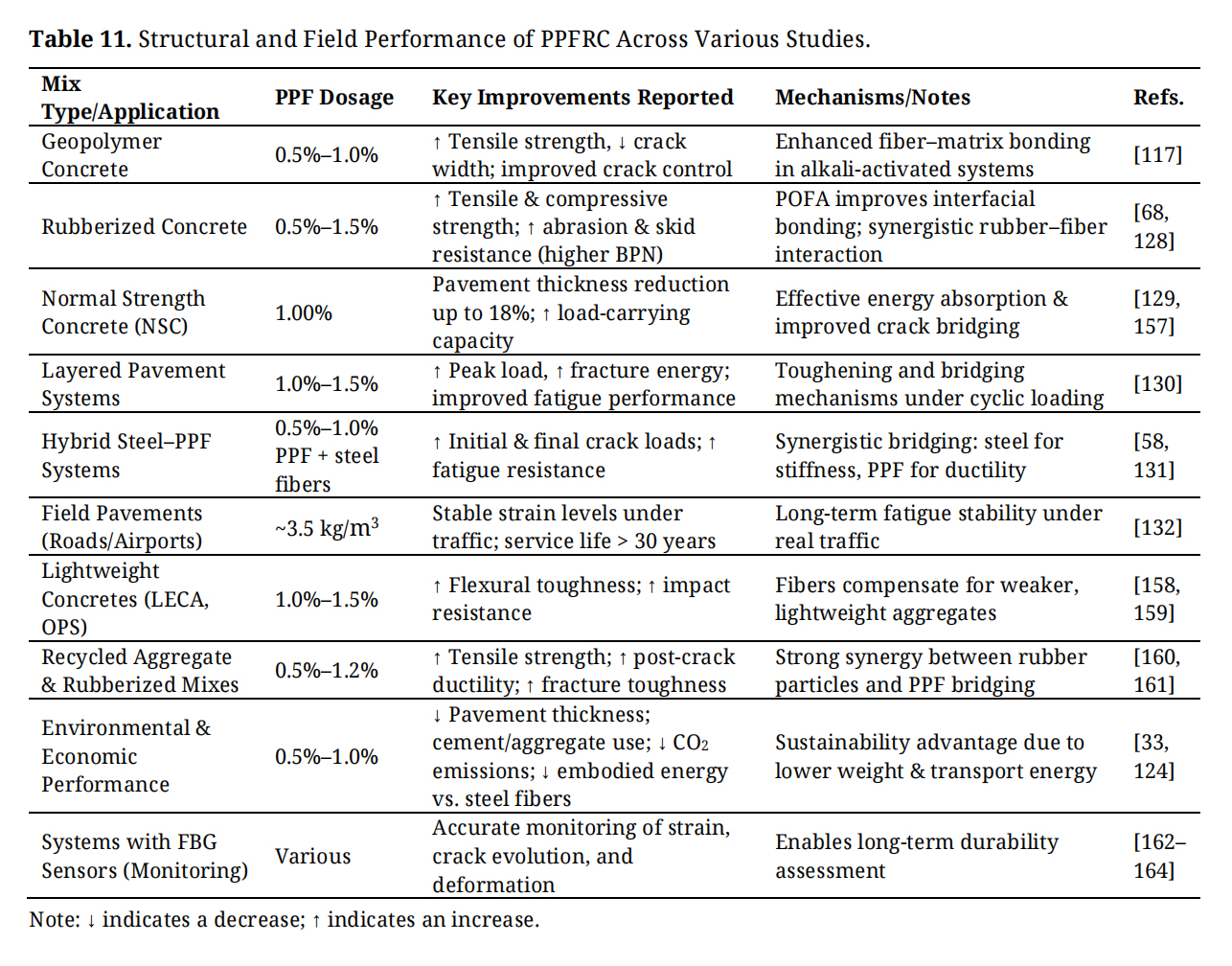 Table 11. Structural and Field Performance of PPFRC Across Various Studies.
PPF supports more sustainable pavement concrete through three linked routes: enabling durable low-impact material systems, reducing material demand through thinner sections, and lowering embodied impact relative to steel reinforcement. In pervious and porous concrete, PPF improves mechanical performance and durability while preserving the permeability essential to stormwater management [70,125,165]. In recycled-aggregate concrete, they offset the intrinsic weaknesses of recycled aggregate, improving split-tensile and shear strength at replacement levels up to about 50% [99,102,103], and one optimized porous mix combining 40% marble powder, 16% silica fume, and 0.8% PPF achieved a favorable balance of strength, permeability, and cost [89]. PPF also improves the ductility and cyclic performance of low-carbon binder systems such as geopolymer concrete [59,166]. These benefits let sustainable materials meet pavement performance requirements while reducing demand for virgin aggregate and Portland cement. More broadly, data-driven and climate-adaptive design approaches are becoming central to sustainable-materials and low-carbon systems research, offering methodological templates, co-simulation across material-to-district scales, renewable integration, and intelligent operation that the pavement-materials field can adapt [167–169]. The circular-economy case for polypropylene extends beyond concrete: recycled polypropylene and its composites are being reprocessed into structural parts through routes such as material-extrusion additive manufacturing, indicating broad reuse pathways for the polymer stream that PPFRC draws on [170].
Material and Cost EfficiencyThe economic case rests partly on polypropylene’s low density, roughly 900 kg/m3 against about 7750 kg/m3 for steel fiber, which reduces handling, transport, and labor costs and improves the cost-to-performance ratio [12,157]. Substituting macro-synthetic fibers for conventional steel mesh further simplifies construction and reduces labor and energy demand [33,152]. Although natural fibers such as coconut and abaca are also low-impact, PPF remains preferred for its chemical inertness, durability, and processing consistency [26,171]. Reduced pavement thickness compounds these savings by cutting cement and aggregate use, and hence both cost and embodied carbon [85,124].
Life-Cycle Evidence, and its LimitsLife-cycle assessments point in a consistent direction but should be read as individual case results rather than settled values. One LCA reported that a 0.5% PPF dosage reduced CO2-equivalent emissions by up to about 18% and pavement cost by about 8% relative to plain concrete, the gains arising mainly from reduced section thickness and cement content [64,172]. A separate cost analysis found that although polymer-fiber-reinforced pavement is roughly 15%–20% more expensive upfront, reduced rehabilitation over the service life yields a 30%–35% reduction in whole-life cost [173]. Recycled PPF, including fibers recovered from single-use masks, has been reported to match virgin PPF on mechanical and durability performance while reducing plastic waste [62,174].
These figures are encouraging but carry real trade-offs that qualify them. The savings are realized through durability and extended service life, not at the point of manufacture, so they depend on the pavement actually achieving its projected life; the upfront cost premium is genuine; and the fiber dosage that maximizes sustainability is not necessarily the one that maximizes mechanical performance, since higher dosages penalize workability and dispersion. The environmental case for PPF is therefore strongest when assessed on a whole-life basis and at optimized dosages, rather than as a uniform benefit at any dosage. Table 12 summarizes the sustainability and economic evidence.
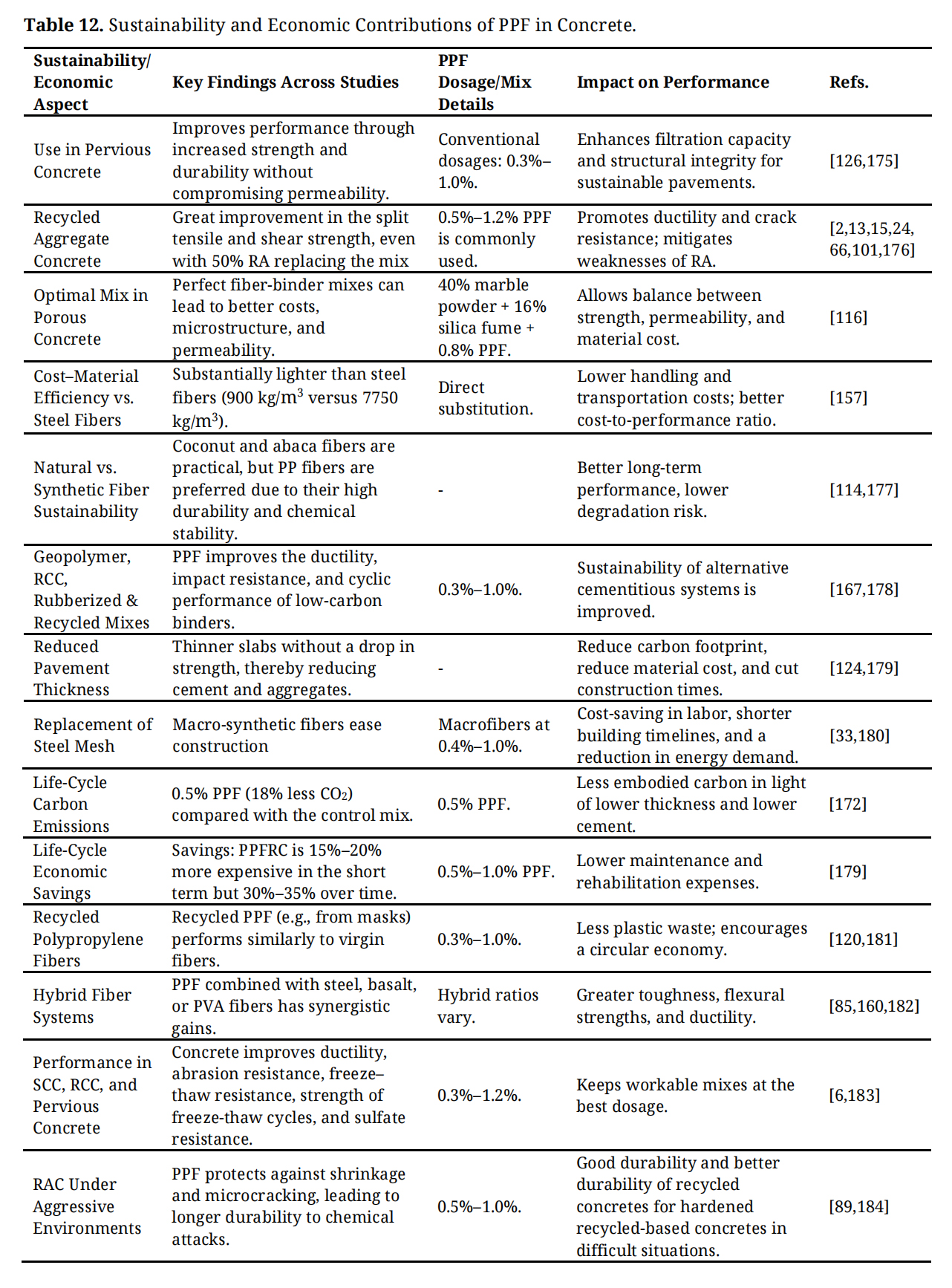 Table 12. Sustainability and Economic Contributions of PPF in Concrete.
While the benefits of PPF in pavement concrete are well supported, several practical constraints govern their translation from laboratory to field, and these are set out here honestly rather than minimized.
●
●
●
●
●
In sum, PPFs are best suited where toughness, crack resistance, and durability outweigh peak tensile strength: pavements, overlays, precast slabs, and wastewater structures, rather than heavily load-bearing elements [192]. Their limitations are real but largely manageable through dosage control, dispersion practice, and hybridization.
The priorities below are ordered from most to least developed, and each is tied to a specific gap identified earlier in this review.
1.
2.
3.
4.
5.
Together, these directions would extend PPFRC toward high-performance, durable, and low-carbon pavement infrastructure, with field validation as the pacing item.
This review synthesized laboratory, field, and standardized-test evidence on the use of polypropylene fibers in pavement concrete, spanning fresh-state behavior, mechanical performance, shrinkage and crack control, durability, structural and field performance, and sustainability. The principal conclusions, each drawn from evidence presented above, are as follows.
●
●
●
●
●
●
●
Overall, polypropylene fibers offer an economical, durable, and low-impact means of improving concrete pavement performance where toughness, crack control, and durability are the governing requirements.
All data generated from the study are available in the manuscript.
Conceptualization, AMM; methodology, AMM and BAT; formal analysis, AMM and BAT, writing—original draft preparation, AMM and BAT; writing—review and editing AMM and BAT; supervision, BAT; project administration, BAT; funding acquisition, AMM. All authors have read and agreed to the published version of the manuscript.
The authors declare that they have no conflicts of interest.
The authors extend their appreciation to Prince Sattam bin Abdulaziz University for funding this research work through the project number (PSAU/2025/01/34839).
The authors extend their appreciation to Prince Sattam bin Abdulaziz University for funding this research work.
1.
2.
3.
4.
5.
6.
7.
8.
9.
10.
11.
12.
13.
14.
15.
16.
17.
18.
19.
20.
21.
22.
23.
24.
25.
26.
27.
28.
29.
30.
31.
32.
33.
34.
35.
36.
37.
38.
39.
40.
41.
42.
43.
44.
45.
46.
47.
48.
49.
50.
51.
52.
53.
54.
55.
56.
57.
58.
59.
60.
61.
62.
63.
64.
65.
66.
67.
68.
69.
70.
71.
72.
73.
74.
75.
76.
77.
78.
79.
80.
81.
82.
83.
84.
85.
86.
87.
88.
89.
90.
91.
92.
93.
94.
95.
96.
97.
98.
99.
100.
101.
102.
103.
104.
105.
106.
107.
108.
109.
110.
111.
112.
113.
114.
115.
116.
117.
118.
119.
120.
121.
122.
123.
124.
125.
126.
127.
128.
129.
130.
131.
132.
133.
134.
135.
136.
137.
138.
139.
140.
141.
142.
143.
144.
145.
146.
147.
148.
149.
150.
151.
152.
153.
154.
155.
156.
157.
158.
159.
160.
161.
162.
163.
164.
165.
166.
167.
168.
169.
170.
171.
172.
173.
174.
175.
176.
177.
178.
179.
180.
181.
182.
183.
184.
185.
186.
187.
188.
189.
190.
191.
192.
193.
194.
195.
196.
197.
Mohamed AM, Tayeh BA. Polypropylene Fibers in Pavement Concrete: Mechanical, Durability, and Sustainability Review. J Sustain Res. 2026;8(3):e260074. https://doi.org/10.20900/jsr20260074.

Copyright © Hapres Co., Ltd. Privacy Policy | Terms and Conditions