Location: Home >> Detail
J Sustain Res. 2026;8(4):e260091. https://doi.org/10.20900/jsr20260091
 ,
Aleksandra Revina * ,
Friederike Lindauer
Department of Business and Management, Brandenburg University of Applied Sciences, Magdeburger Str. 50, 14770 Brandenburg an der Havel, Germany
* Correspondence: Aleksandra Revina.
Digital transformation is increasingly shaping environmental and societal outcomes, yet sustainability is often not meaningfully embedded in how digital artefacts are designed and chosen. Meeting this challenge depends not only on technical expertise but on the enacted agency of diverse actors to intentionally steer and shape digital systems toward sustainability goals. This paper introduces the Co-Design for Sustainability (CoDeSus) framework, which conceptualizes how sustainable digital agency can be supported in the design and selection of digital artefacts. Building on sustainability competence research, participatory design, and socio-technical perspectives on digital transformation, the paper synthesizes existing approaches and conceptualizes sustainable digital agency as the capacity to intentionally design and select digital artefacts in a sustainability-oriented manner. The framework distinguishes between two complementary competence groups: sustainability competences, including systems awareness and normative sustainability competence, and design-related competences, including digital transformation and co-design competences, as well as translational design competence. Together, these competences support the translation of sustainability considerations into concrete design decisions and artefact configurations. The CoDeSus framework is illustrated using participant-generated prototype concepts and peer evaluations from sustainability design workshops. The analysis identifies different configurations of sustainability- and design-related competence manifestations across the prototypes and examines how sustainability considerations are reflected in participants’ evaluations of alternative digital concepts. By connecting competences, design and selection practices, and artefact-level considerations, the CoDeSus framework advances research on sustainable digital agency and participatory design. It provides a conceptual basis for integrating sustainability considerations into design and decision-making processes, with potential applications in professional contexts such as digital product development and procurement.
IT, Information Technology; UN, United Nations; SDG, Sustainable Development Goals; CoDeSus, Co-Design for Sustainability; ESD, Education for Sustainable Development; ICT, Information and Communication Technology
Digital transformation has become a central driver of economic activity, public governance, and everyday life. At the same time, digital systems increasingly shape material and social realities, influencing how resources are consumed, decisions are made, and infrastructures operate [1]. While digital technologies can support sustainability goals, for example by enabling dematerialization, monitoring, and process optimization, they also generate substantial environmental impacts through energy use, device production, and data-intensive services [2–4]. These tensions highlight that sustainability outcomes of digitalization depend not only on how technologies are used, but fundamentally on how they are designed and selected.
Despite growing research on Green IT and responsible digital innovation, sustainability considerations are still rarely treated as core design principles in digital artefact development. Existing work shows that sustainability is often considered alongside, but not on the same level as established concerns, for example, performance, efficiency, and scalability [5,6]. As a result, ecological and social implications are not always systematically taken into account in early design decisions, where key assumptions about system functionality, data use, and user interaction are defined [7,8]. This creates a gap between general sustainability goals and their concrete realization in digital systems.
Addressing this gap requires not only technical solutions but also the capacity of actors to intentionally design and select digital artefacts in a sustainability-oriented manner. Here, we conceptualize this capacity as sustainable digital agency, referring to the ability to design and select digital artefacts in ways that reflect environmental, social, and economic considerations [9,10]. This understanding builds on established conceptualizations of agency as intentional and situated action within social and technological environments [11,12]. However, existing research provides only limited guidance on how such agency can be systematically enacted in digital design and decision-making contexts.
To address this issue, we draw on several research streams that provide complementary perspectives. Sustainability research emphasizes capabilities such as systems thinking, normative reflection, and action-oriented problem solving [13–15]. These competences enable actors to understand interdependencies, evaluate trade-offs, and incorporate multiple stakeholder perspectives [16,17]. In parallel, research in sustainable software and information systems engineering proposes methods for integrating sustainability into technical systems, for example through requirements engineering and lifecycle-oriented design [8,18,19]. Related approaches, such as value-sensitive design and socio-technical system perspectives, already emphasize the importance of integrating stakeholder values into technological development [11,20,21], while participatory design introduces collaborative and iterative processes that support the articulation and negotiation of such values in context [22–24].
Taken together, these perspectives highlight that sustainability-oriented digital design requires the integration of understanding, evaluation, and implementation capabilities, as well as appropriate design processes. However, their integration remains limited. In particular, it remains insufficiently understood how sustainability-related and design-related competences jointly support sustainable digital agency in design and selection contexts, and how sustainability considerations become reflected in artefact-level decisions and evaluations [7,25]. To address this gap, this paper introduces the Co-Design for Sustainability (CoDeSus) framework, which conceptualizes how complementary competence dimensions support sustainable digital agency in the design and selection of digital artefacts. The framework distinguishes between two complementary competence groups: sustainability competences, including (1) systems awareness and (2) normative sustainability, and design-related competences, including (3) digital transformation and co-design competences as well as (4) translational design competence, further referred to as four competence dimensions. Together, these competences support sustainable digital agency across these contexts, with implications for the subsequent use of digital artefacts.
This paper adopts a conceptual-exploratory research approach [26,27], combining literature-based framework development with an empirical illustration based on qualitative coding and descriptive quantitative analysis of workshop artefacts. The CoDeSus framework is a conceptual contribution rather than a design artefact in the design science sense [28]. To demonstrate the analytical applicability of the proposed framework, we draw on empirical material from 18 participatory sustainability design workshops conducted between 2024 and 2025. The empirical material comprises 109 participant-generated prototype records and 374 peer-evaluation sheets containing 1847 individual digital artefact evaluations. Of the prototype records, 102 provided sufficient documentation for competence-level analysis. The analysis examines observable manifestations of the four competence dimensions in the prototypes and sustainability-related reasoning in participants’ evaluations of alternative digital concepts. These two datasets provide complementary insights into design agency and evaluation-related agency as manifestations of sustainable digital agency.
This paper makes three contributions to information systems research and practice. First, it conceptualizes sustainable digital agency as an overarching construct connecting sustainability-related and design-related competences with design and selection practices. Second, it introduces the CoDeSus framework, which integrates four complementary competence dimensions to explain how sustainability considerations can inform the design and evaluation of digital artefacts. Third, it illustrates how the framework can be applied to analyze participant-generated prototypes and peer evaluations. As such, the framework identifies translational design competence as the link through which sustainability considerations can be operationalized in digital artefact characteristics.
The remainder of the paper is structured as follows. First, the theoretical background is introduced, synthesizing research on sustainability competences, digital transformation, and agency in socio-technical systems. This is followed by the presentation of the CoDeSus framework, which integrates these perspectives into a relational model. The paper then provides an empirical illustration based on artefact-based analysis of participatory workshop data. Finally, the discussion outlines implications for research and practice, followed by conclusions and directions for future work.
This section reviews the theoretical foundations that inform the proposed framework. It focuses on (1) sustainability in digital transformation, (2) sustainability competences as enablers of sustainability-oriented action, (3) design-related competences and participatory design, and (4) agency as an integrative concept that links competences with sustainability-oriented design and selection practices. Building on these perspectives, the section concludes with a synthesis that establishes the conceptual basis for the CoDeSus framework.
Sustainability in Digital TransformationDigital transformation is commonly understood as a profound reconfiguration of organizational value creation, structures, and processes through the pervasive integration of digital technologies [1]. While early research in this field has emphasized competitiveness, efficiency, and innovation, more recent work highlights that digital transformation is inherently intertwined with sustainability concerns. Digital infrastructures and services have measurable environmental footprints and socio-technical consequences, particularly in terms of energy consumption, hardware production, and data-intensive operations [2–4].
At the same time, digital technologies can contribute to sustainability goals through mechanisms such as dematerialization, process optimization, monitoring, and improved coordination across value chains [5,25,29]. Recent research therefore emphasizes the dual role of digital transformation, which can both enable sustainability improvements and generate unintended rebound effects depending on how digital systems are designed, deployed, and used [29,30].
Within the information systems domain, the concept of digital sustainability has been proposed to shift the focus from reducing negative impacts toward enabling positive environmental and societal outcomes through digital artefacts [25]. However, existing approaches still provide limited guidance on how sustainability considerations are systematically integrated into early design decisions, where key assumptions about system functionality, data use, and user interaction are defined [7,8]. This creates a gap between general sustainability goals and their concrete realization in digital artefacts.
Sustainability Competences as Enablers of Sustainability-Oriented ActionFollowing the widely accepted understanding of sustainable development, sustainability is conceptualized as comprising environmental, social, and economic dimensions [31]. Sustainability competences therefore refer to actors’ ability to understand, evaluate, and integrate these interconnected dimensions when designing and selecting digital artefacts.
Accordingly, addressing sustainability challenges in digital transformation requires capabilities that enable actors to understand complex interdependencies and evaluate competing objectives. Sustainability competence research conceptualizes such capabilities as essential for enabling sustainability-oriented action. Foundational frameworks identify competences such as systems thinking, anticipatory thinking, normative reflection, and strategic action [13–15,32]. These competences support the ability to analyze socio-ecological systems, assess long-term implications, and consider diverse stakeholder perspectives [16,17].
Across these frameworks, despite differences in terminology and structure, recurring competence areas can be identified. In particular, competences related to systems understanding, normative evaluation, and action-oriented implementation appear consistently.
In the context of digital artefact design, these areas can be interpreted as key competence dimensions. Systems awareness competence enables actors to understand how digital technologies are embedded in broader socio-technical and ecological systems and how they influence resource flows, infrastructures, and user practices [3,14–16]. Normative sustainability competence enables actors to evaluate design decisions in relation to sustainability values and to reflect on trade-offs between environmental, social, and economic considerations [14,15,17,20].
However, while these competences provide essential foundations for understanding and evaluating sustainability challenges, they do not explain how sustainability considerations are translated into concrete technological design decisions.
Design-Related Competences for Sustainable Digital DesignThe integration of sustainability considerations into digital artefacts requires design-related competences. Within the CoDeSus framework, these comprise digital transformation and co-design competences, which support the development of digital solutions, and translational design competence, which concerns the operationalization of sustainability considerations into concrete artefact characteristics. Digital transformation competences encompass the ability to design, develop, and adapt digital systems in complex socio-technical contexts [1,33,34].
Within the digital transformation competences, design thinking represents a widely adopted approach that supports iterative, user-centred, and problem-oriented design processes [35,36]. It enables actors to translate abstract problem framings into concrete solution concepts through prototyping, testing, and refinement, making it particularly relevant in digital transformation contexts characterized by uncertainty and complexity.
Participatory design and co-design approaches provide a complementary perspective by emphasizing stakeholder involvement in the design process [22–24]. These approaches conceptualize design as a collaborative and iterative process in which diverse actors contribute knowledge, perspectives, and values. In this way, participatory processes create structured environments in which sustainability considerations can be articulated, negotiated, and reflected upon.
Related approaches, such as value-sensitive design and responsible innovation, further highlight how ethical and societal values can be embedded into technological systems through systematic consideration of stakeholder interests and design trade-offs [20,21].
However, while these perspectives provide important process-oriented insights, they primarily explain how collaborative design processes can be organized rather than how sustainability considerations become embedded in digital artefacts. Designing sustainable digital artefacts requires an additional competence that enables actors to operationalize sustainability knowledge, values, and stakeholder requirements through concrete design decisions.
Building on design theory, which conceptualizes design as the transformation of existing situations into preferred ones [37] and as the translation of problem framings into solution concepts [36,38], we conceptualize this capability as translational design competence. It refers to the ability to intentionally translate sustainability considerations into concrete artefact characteristics, including functionalities, interaction mechanisms, data practices, and other design features that operationalize sustainability objectives within digital systems.
Agency in Socio-Technical SystemsTo connect competences and design processes with sustainability outcomes, the concept of agency provides an integrative perspective [39]. Agency refers to the capacity of actors to intentionally shape social and technological environments through reflective and goal-oriented action [9,10]. In socio-technical contexts, agency is realized from the interaction between individual capabilities, social structures, and technological environments [11,12]. Furthermore, agency tends to be most effective when structures are flexible, opportunities are open, and intentions fit competences [40].
Building on this understanding, we conceptualize sustainable digital agency as the capacity of actors to intentionally create, select, and shape digital artefacts in ways that reflect environmental, social, and economic considerations [11,12,20,21]. This includes both design activities and decision-making processes related to the evaluation and selection of digital solutions. From this perspective, sustainability outcomes of digital transformation depend not only on technological possibilities but on whether actors actively engage with and shape digital systems in sustainability-oriented ways [3,8].
Within the CoDeSus framework, sustainable digital agency can be expressed in two complementary action contexts: design and selection. These contexts involve different activities and forms of agency. Design agency is the capacity to define problems, shape alternatives, and influence design choices during the creation of a technology, service, or artefact [23,41]. It concerns what product characteristics are implemented and how. In selection contexts, evaluation-related agency concerns the assessment of alternatives and justification of judgments within predefined evaluation procedures. Evaluation agency, in a narrower sense, refers to the capacity to influence the criteria or processes through which quality and sustainability are judged, including how evaluation findings are interpreted or used [42–45]. These forms of agency may overlap when stakeholders help define both the intervention and how its success will be judged. Participatory design studies note that users can influence not only the artifact but also the very concept being designed, such as sustainability, and some recent frameworks explicitly evaluate empowerment within design processes [46–48].
Nevertheless, formal evaluations of participatory design outcomes remain relatively uncommon and are often researcher-led rather than participant-led [49]. This suggests that participation in design decisions does not necessarily imply equivalent influence over evaluation criteria and processes.
Synthesis: Towards Agency in Sustainable Digital ArtefactsWithin the CoDeSus framework, sustainable digital agency is understood as a situated capacity that becomes expressed through action rather than as a static individual attribute. Drawing on the temporal model of agency [10], we distinguish three analytically separable but potentially overlapping moments through which sustainability and design-related competences may inform action:
(1)
(2)
(3)
These moments may contribute to different forms of agency. Interpretive and deliberative moments can inform both design agency and evaluation-related agency, as actors identify sustainability concerns, consider alternatives, and justify preferences. The translational moment is primarily associated with design agency, as sustainability considerations are reflected in concrete artefact characteristics.
The moments are analytically distinguishable but may overlap in practice: deliberation can inform design decisions, and proposed design features can prompt actors to reconsider their evaluations. In this framework, evaluation-related agency should not be taken as evidence that participants influenced the formal assessment criteria or the evaluation process.
The interaction between these moments can support the integration of sustainability considerations into design and selection practices. However, their relative importance and expression may vary across contexts. For example, sustainability concerns may be identified and considered during design without being translated into concrete artefact features, while the evaluation of alternative digital concepts during selection may involve sustainability-oriented reasoning without resulting in new design decisions. Sustainable digital agency is therefore not understood as a direct consequence of possessing specific competences, but as a situated capacity expressed through sustainability-oriented action.
To position the different research streams, Table 1 provides a comparative overview of their conceptual focus and contributions.
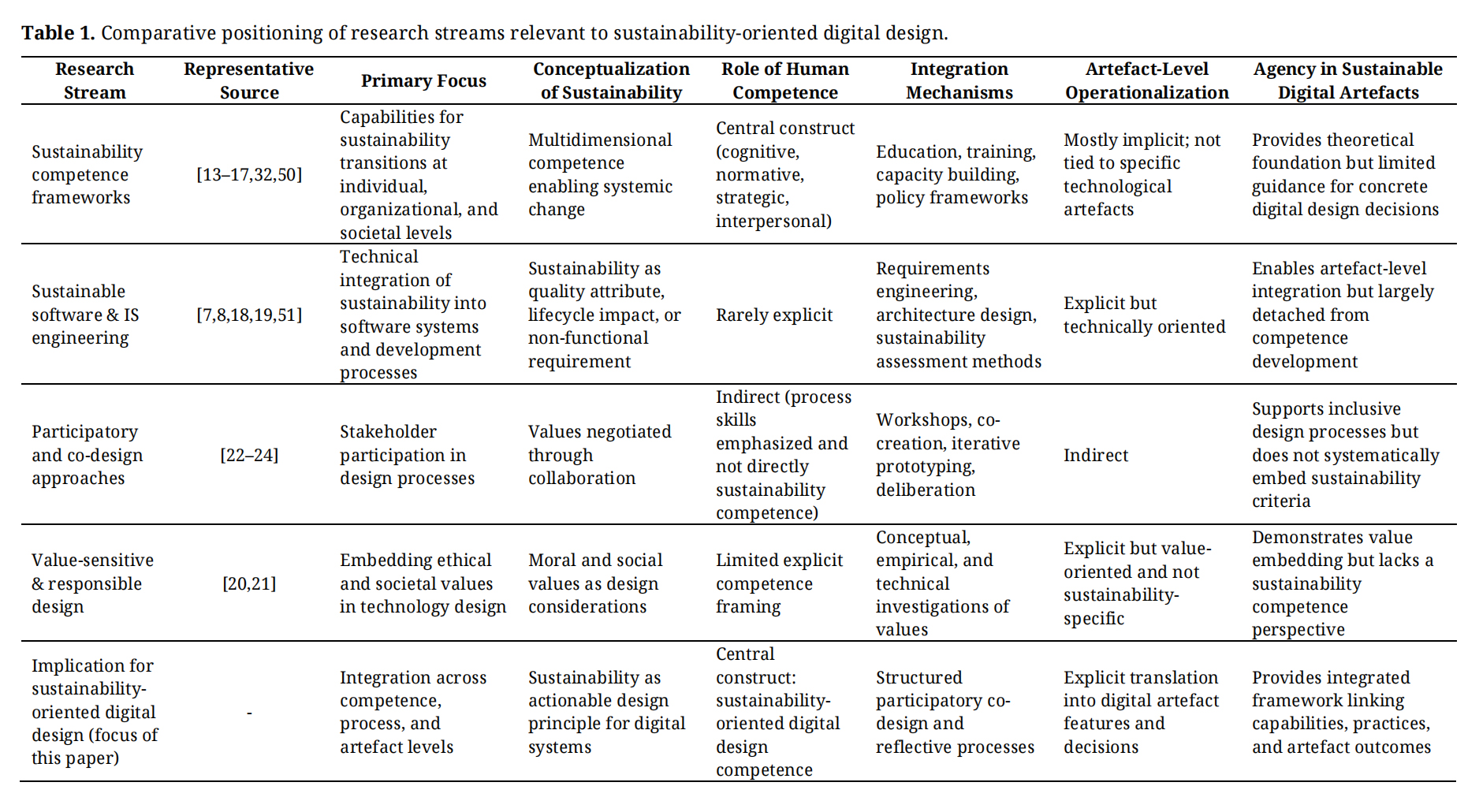 Table 1. Comparative positioning of research streams relevant to sustainability-oriented digital design.
The comparison highlights that sustainability competence research focuses on capabilities for understanding and evaluating sustainability challenges, while information systems and software engineering emphasize technical implementation. Participatory and value-oriented approaches structure how sustainability considerations are articulated and negotiated in design processes. However, these perspectives largely remain disconnected, particularly with regard to how competences are translated into artefact-level design decisions [7,8].
Building on the preceding review, Table 2 synthesizes the competence dimensions informing the CoDeSus framework by integrating insights from both sustainability competence frameworks and the design literature. While sustainability competence frameworks provide the basis for systems awareness, normative sustainability, and implementation-oriented competences, the design and participatory design literature contributes methodological competences related to digital transformation and co-design. Together, these complementary perspectives form the competence foundation of the CoDeSus framework.
The synthesis presented in Table 2 suggests that sustainable digital agency requires complementary competence dimensions rather than isolated capabilities. Systems awareness and normative sustainability provide the analytical and evaluative foundations for understanding sustainability challenges, whereas digital transformation and co-design together with translational design provide the methodological and operational capabilities required to develop sustainability-oriented digital artefacts. Accordingly, the CoDeSus framework organizes these four competence dimensions into two complementary competence groups: sustainability competences and design-related competences.
Agency provides the integrative perspective for understanding how competences inform intentional action within socio-technical contexts [9,10]. Building on this perspective, the CoDeSus framework conceptualizes sustainable digital agency as the overarching construct connecting sustainability and design-related competences with design and selection practices. Within these contexts, sustainable digital agency can be expressed through design agency, involving the shaping of digital artefacts, and evaluation-related agency, involving the assessment and justification of alternative solutions.
The following section presents the CoDeSus framework, bringing together the four competence dimensions derived from the literature and their relationship to sustainable digital agency in design and selection contexts.
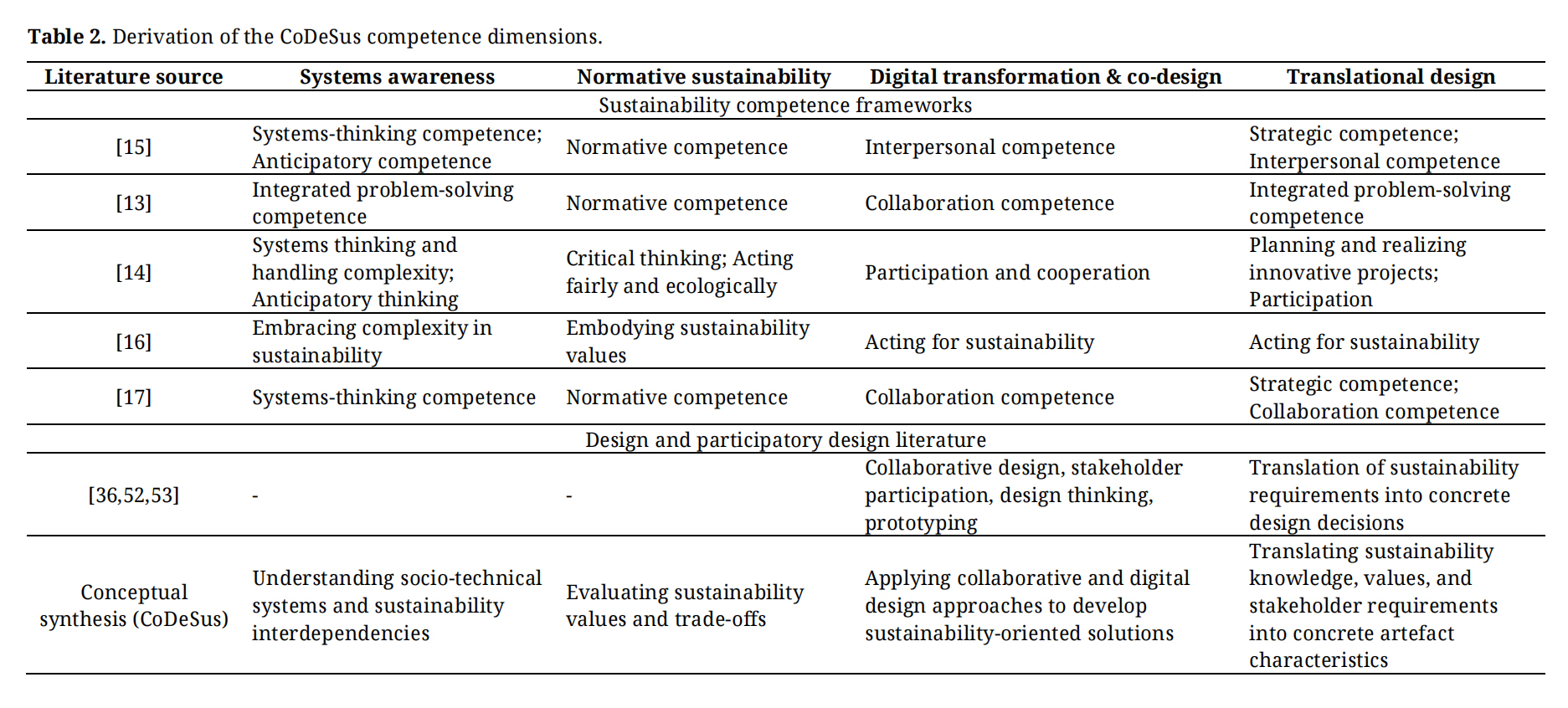 Table 2. Derivation of the CoDeSus competence dimensions.
The CoDeSus framework adopts a relational perspective to explain how sustainability-related and design-related competences can support sustainable digital agency in the design and selection of digital artefacts. This perspective reflects developments in information systems research emphasizing that digital innovation emerges through interactions between actors, technologies, and institutional environments rather than through linear processes [34,54,55].
Integrating Competence Dimensions in Digital SustainabilityThe CoDeSus framework builds on the distinction between sustainability competences and design-related competences, which capture complementary dimensions of sustainability-oriented action (see Figure 1). Sustainability competences, including systems awareness competence and normative sustainability competence, provide the analytical and evaluative foundation for understanding socio-technical systems and assessing sustainability-related trade-offs [13,15,16,32].
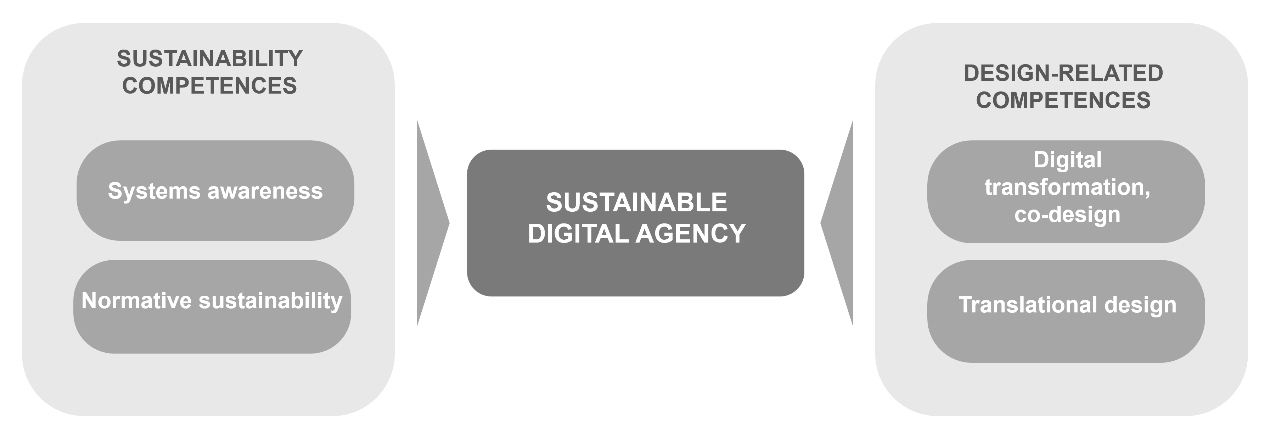 Figure 1. The CoDeSus Framework.
Design-related competences comprise two complementary competence dimensions. The first combines digital transformation and co-design competences, reflecting the synthesis presented in Table 2. Together, they capture the methodological and collaborative capabilities required to develop sustainability-oriented digital solutions through iterative design, stakeholder participation, and digital innovation practices [1,34,36,53]. The second dimension, translational design competence, captures the ability to operationalize sustainability knowledge, values, and stakeholder requirements through concrete design decisions and artefact characteristics. Together, these dimensions enable actors not only to develop digital solutions but also to intentionally embed sustainability considerations within them [36,37]. Hence, translational design competence is conceptually related to but distinct from strategic competence as defined by [15,17]. Strategic competence refers to the capacity to collectively plan and implement interventions for sustainability—it is primarily oriented toward social and organizational action. Translational design competence, by contrast, is specifically oriented toward the material and configurational properties of digital artefacts, including feature specifications and system configurations. While strategic competence asks ‘what should we do?’, translational design competence asks ‘how do we embed that decision into the artefact itself?’ This distinction is particularly relevant in digital design contexts, where sustainability intentions must be encoded into technical and interaction design choices that are not addressed by existing sustainability competence frameworks.
It should be noted that anticipatory competence—the capacity to envision and evaluate future sustainability scenarios [15]—is present in all major sustainability competence frameworks reviewed but is not included as a separate dimension in CoDeSus. This is a deliberate scoping decision: in the context of digital artefact design and selection, anticipatory reasoning is treated as a constitutive element of systems awareness (understanding long-term socio-technical dynamics) and normative sustainability competence (evaluating future-oriented values and trade-offs) rather than as a standalone dimension. Future iterations of the framework may benefit from making anticipatory competence more explicit, particularly in contexts where scenario planning and futures literacy are central to the design process.
The framework conceptualizes these competence dimensions as complementary and potentially mutually reinforcing. Sustainability competences provide the basis for understanding and evaluating sustainability challenges, while design-related competences support the development of digital solutions and the integration of sustainability considerations into artefact characteristics. Their interaction can support sustainable digital agency by connecting sustainability-oriented reasoning with design and selection practices [10,11].
Agency Across Design, Selection, and Use ContextsWithin the CoDeSus framework, sustainable digital agency is conceptualized as a situated capacity that becomes expressed through sustainability-oriented action across design, selection, and use contexts [10,40,56]. These contexts provide different opportunities for actors to influence the characteristics, adoption, and use of digital artefacts. This perspective builds on socio-technical and practice-based research, which highlights that technological outcomes emerge through ongoing interactions between actors and technological artefacts [12,57,58].
This distinction is important because existing research often treats these contexts separately. Information systems research has traditionally focused either on design and development processes or on use and appropriation, while decision-making contexts such as selection and procurement remain less explicitly theorized [58,59]. From a sustainability perspective, however, these contexts are deeply interrelated, as design decisions shape the range of possible uses, and selection decisions influence which technological options are realized in practice [54,55].
In design contexts, sustainable digital agency is expressed through design agency, which concerns actors’ capacity to influence digital artefact characteristics by defining functionalities, data practices, and interaction mechanisms [52]. Participatory design further positions participants as active contributors who collectively create, discuss, and negotiate design decisions throughout the design process [53]. In selection contexts, sustainable digital agency concerns actors’ capacity to influence which technological alternatives are adopted and enacted in practice. Selection decisions therefore shape the socio-technical trajectories through which digital technologies unfold [12,54,57]. In this study, agency in the selection context is examined through participants’ evaluation of alternative technological and design solutions: they assess alternatives, justify preferences, and consider sustainability-related and functional concerns. These activities provide evidence of evaluation-related agency. They do not, by themselves, demonstrate evaluation agency, because participants did not shape the assessment criteria. Design agency and evaluation agency may be distributed separately in real projects. In the workshop, prototype creation and peer evaluation occur in sequence and concern the same concepts, so they are analyzed together while remaining distinct: design agency concerns influence over artefact features, whereas evaluation-related agency concerns the assessment of alternatives and justification of preferences within predefined evaluation procedures. The peer-evaluation data complement the analysis of design agency by showing how sustainability considerations enter participants’ judgments and selection decisions. Accordingly, these evaluative activities are not conceptualized as a separate competence but as one manifestation of sustainable digital agency that complements agency expressed through artefact creation.
The CoDeSus Framework: Linking Competences to Sustainable Digital Agency and Design ActionThe CoDeSus framework, illustrated in Figure 1, explains how sustainability-related and design-related competences may inform sustainable digital agency in the design and selection of digital artefacts. It treats agency as situated action: competences are capabilities that can support such action, rather than agency itself. Within this relationship, translational design competence specifies how sustainability knowledge, values, and stakeholder requirements may be operationalized in concrete design decisions and artefact characteristics. Building on established perspectives on agency and human action [39,40,56], the framework thus connects what actors can do with how they may act on sustainability considerations in digital contexts.
As shown in Figure 1, the framework conceptualizes sustainable digital agency as being supported by the interaction of sustainability competences and design-related competences. It highlights how these dimensions can inform sustainability-oriented action in design and selection contexts. Within the design-related competence group, digital transformation and co-design jointly represent the methodological and collaborative dimension of digital solution development, whereas translational design competence captures the operationalization of sustainability considerations within the resulting artefacts.
Unlike sustainability competence frameworks, which primarily define relevant capabilities [13,15], and engineering-oriented approaches, which focus on technical methods for embedding sustainability into systems [18,19], the CoDeSus framework addresses the relationship between competences and sustainability-oriented action. It positions sustainable digital agency as the integrative construct linking these competences with design and selection practices in socio-technical contexts [9,10].
To sum up, by integrating competence dimensions, sustainable digital agency, and action contexts, the CoDeSus framework provides a conceptual bridge between sustainability competence research and digital design practice, shifting the focus from what actors should know to how they are enabled to act in sustainability-oriented ways [1,8].
Operational PerspectiveTo support the application of the framework in practice, Table 3 provides an operational perspective that relates competences to design considerations and potential artefact characteristics.
This operationalization provides a structured way to relate competences to design considerations and potential artefact characteristics. It supports the interpretation of sustainability competences in concrete design and selection contexts, without implying a fixed sequence or deterministic relationship between competences and outcomes.
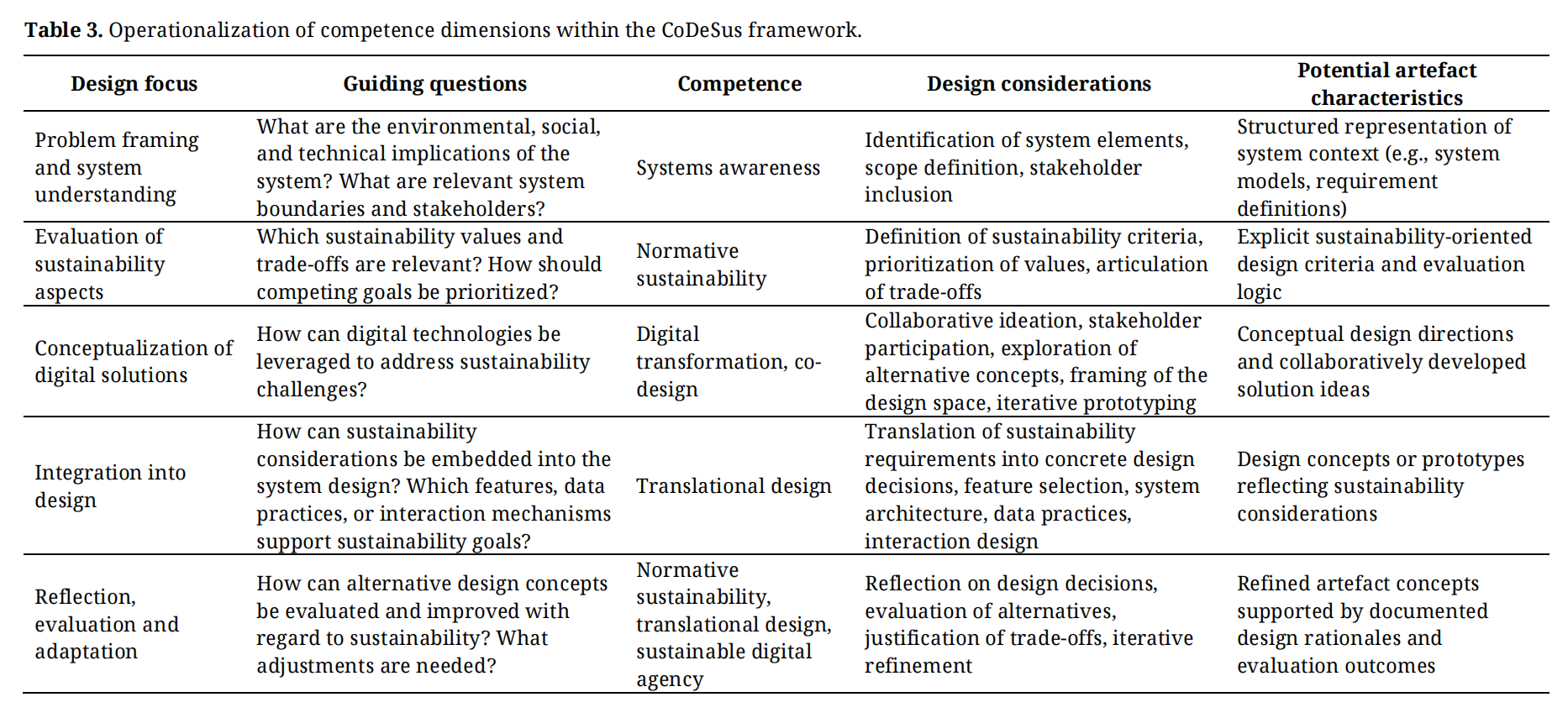 Table 3. Operationalization of competence dimensions within the CoDeSus framework.
This section provides an empirical illustration of the CoDeSus framework by examining how manifestations of sustainability-related and design-related competences can be identified in workshop participant-generated digital artefact concepts and how sustainability-related reasoning is reflected in peer evaluations. Consistent with conceptual-exploratory research [27], the purpose of this illustration is not to test or validate the framework’s propositions but to demonstrate its analytical applicability and to generate preliminary observations that can inform future empirical research.
Research Context and Data BasisThe empirical illustration is based on participatory workshop implementations of the format “Prototyping Sustainability–Designing Sustainable IT” [60]. The workshops aim to foster awareness of the environmental, social, and economic implications of digital technologies while enabling participants to develop sustainability-oriented digital artefact concepts.
Participants work in groups to design conceptual (paper) prototypes such as applications, websites, or smartphones, based on predefined personas and use cases. The workshop combines elements of Education for Sustainable Development (ESD), co-design, and design-based learning.
The workshop activities are designed to operationalize the competence dimensions represented in the framework. Short instructional inputs introduce core concepts of sustainability and digital sustainability, which are subsequently deepened through guided Socratic discussions on environmental, social, and economic implications of digital technologies. These activities primarily foster systems awareness and normative sustainability competences by encouraging participants to reflect on sustainability challenges and value trade-offs in the design of digital artefacts. Digital transformation and co-design competences are supported through co-design activities, in which participants analyze personas, interpret user requirements, and jointly develop paper prototypes. Finally, workshop activities provide opportunities to apply translational design competence as participants transform sustainability considerations and stakeholder requirements into concrete design features and justify these design decisions during the presentation and discussion of their prototypes.
Following the prototype presentations, participants evaluate the concepts developed by their peers. Through a simulated purchasing decision (“Would I buy this product?”) and written arguments supporting and opposing each concept, participants critically reflect on the sustainability, functionality, and overall value of the proposed artefacts. This evaluation phase provides an opportunity to examine evaluation-related agency in the selection context by encouraging participants to justify their preferences regarding alternative sustainability-oriented design solutions.
Thus, the empirical material comprises two complementary datasets collected across 18 workshop implementations conducted between 2024 and 2025. Participants were secondary-school pupils from grades 7 to 11. The workshops were conducted with different school classes, resulting in variation in participants’ age and educational level. Prior expertise in sustainability and digital design was not systematically assessed across the workshop implementations. The peer evaluations are therefore interpreted as participants’ assessments within the workshop context.
The primary dataset consists of 109 participant-generated prototype records. Of these, 102 contained sufficient documented evidence for competence-level analysis, while seven records did not provide sufficient information to distinguish the absence of a competence manifestation from insufficient documentation. Each prototype includes a mandatory structured presentation template documenting the problem framing, sustainability considerations, and design rationale. In addition, many groups developed optional visual paper prototypes (sketches) illustrating interface layouts, interaction concepts, and proposed functionalities (Figure 2). The second dataset comprises 374 peer evaluation sheets completed by workshop participants following the prototype presentations. As each sheet contains evaluations of several prototype concepts, these sheets yielded 1847 individual digital artefact evaluations. Each evaluation documents a simulated purchasing decision (“Would I buy this product?”) and provides space for written arguments supporting and opposing the respective concept (see Figure 3). Figures 2 and 3 present reduced examples of the workshop artefacts. High-resolution versions of the example figures, together with the workshop materials (e.g., presentation templates, peer evaluation sheets, cut-out kits, personas, checklists, and other supplementary workshop resources), are publicly available in the Zenodo repository at: https://doi.org/10.5281/zenodo.21179833.
The primary analysis presented in this paper focuses on the participant-generated prototype records, including structured presentation templates and available visual sketches, which provide observable indicators of how sustainability and design-related competences are reflected in digital artefact concepts. Complementing this primary dataset, the peer evaluation sheets provide additional insights into participants’ reflective assessment of alternative design concepts through simulated purchasing decisions and written justifications. Together, these datasets support a multidimensional understanding of sustainable digital agency by capturing both the creation of digital artefacts and the reflective evaluation of design alternatives.
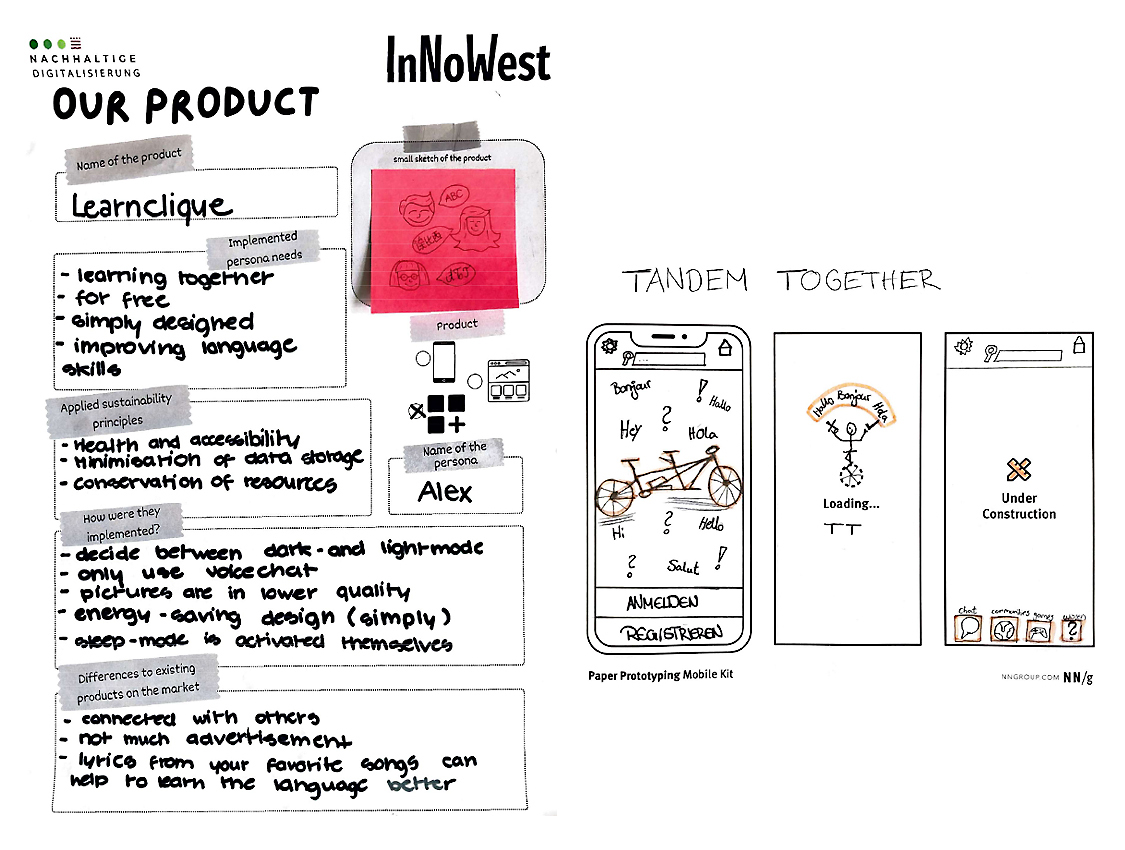 Figure 2. Examples of participant-generated prototype artefacts.
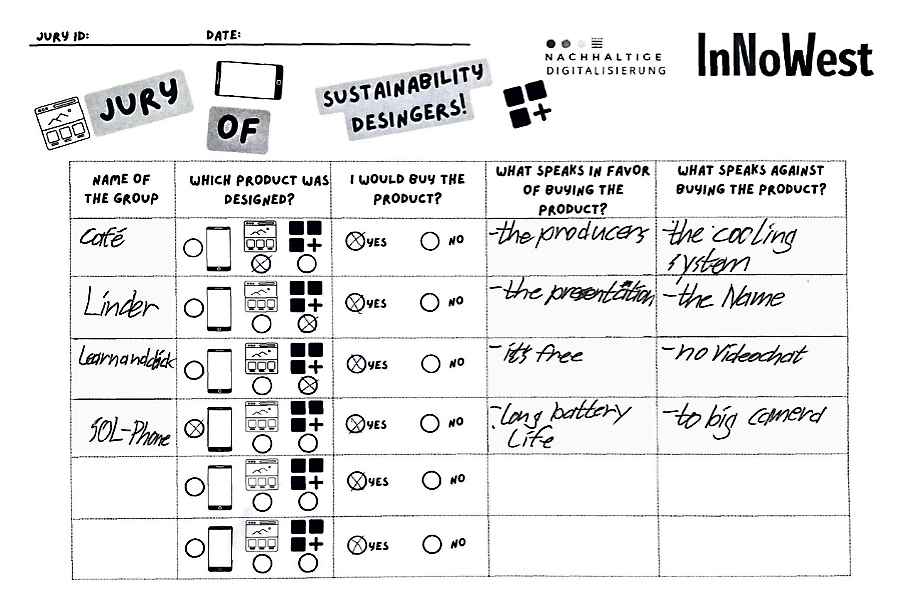 Figure 3. Example of peer evaluation sheet.
The analysis follows an artefact-centred, interpretive, and descriptive approach. The prototype records are analyzed for observable manifestations of the four competence dimensions, while the peer evaluation sheets provide complementary insights into evaluation-related agency through participants’ reflection upon and justification of alternative design solutions.
To guide the analysis, competences introduced in the previous section are operationalized through observable indicators (Table 4). Observable indicators refer to documented characteristics, statements, or design decisions in the participant-generated artefacts that provide empirical evidence of a competence manifestation. These indicators serve as sensitizing concepts that allow us to identify how competences are reflected in design decisions and artefact characteristics.
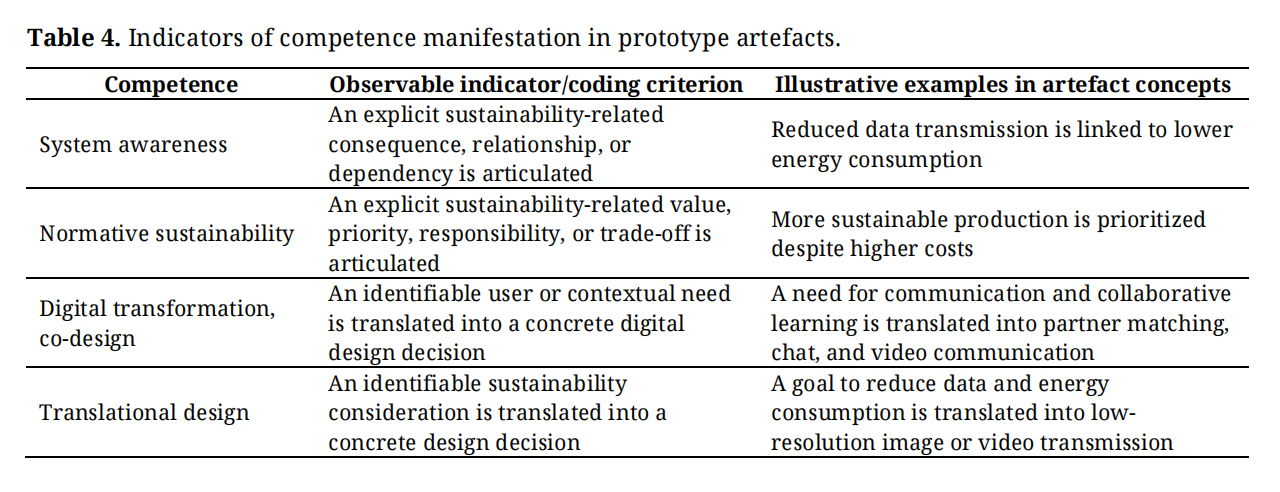 Table 4. Indicators of competence manifestation in prototype artefacts.
For each assessable prototype, the four competence dimensions are coded separately as 1 (observable manifestation) or 0 (no observable manifestation). NA is assigned when the available documentation is insufficient to assess the respective dimension. Coding follows a conservative principle: a manifestation is recorded only when the respective criterion is explicitly observable in the documented artefact and is not inferred from a feature alone. Prototype records without sufficient participant-generated information to distinguish the absence of a manifestation from insufficient documentation are classified as not assessable for competence-level coding.
For the peer-evaluation data, the unit of analysis is the individual digital artefact evaluation rather than the evaluation sheet as a whole, as each sheet contains assessments of several prototype concepts. Each evaluation is coded as 1 when the written pro or contra reasoning contains an explicit sustainability-related consideration, 0 when evaluative reasoning is provided without an explicit sustainability consideration, and NA when the written reasoning is insufficient for assessment. The purchasing decision alone is not used to infer sustainability-related reasoning.
To assess the reliability of the competence-level categorization, an independent second coding pass was conducted on a subset of the prototype records using the same predefined coding criteria. Inter-coding agreement was assessed separately for each competence dimension using Cohen’s κ. Agreement was substantial to almost perfect across the four dimensions (systems awareness: κ = 0.82; normative sustainability: κ = 0.79; digital transformation and co-design: κ = 0.76; Translational Design: κ = 0.85). Cases of disagreement were reviewed against the coding criteria and resolved through a final consistency check. A subset of the individual digital artefact evaluations was likewise independently coded using the same classification scheme, showing substantial agreement for the identification of explicit sustainability-related reasoning (κ = 0.81).
Beyond the competence-level coding, the analysis considers how these manifestations relate to sustainable digital agency across the two contexts represented in the empirical material: the creation of prototype concepts and the evaluation of alternative solutions. Table 5 summarizes how agency is interpreted across these design and selection contexts.
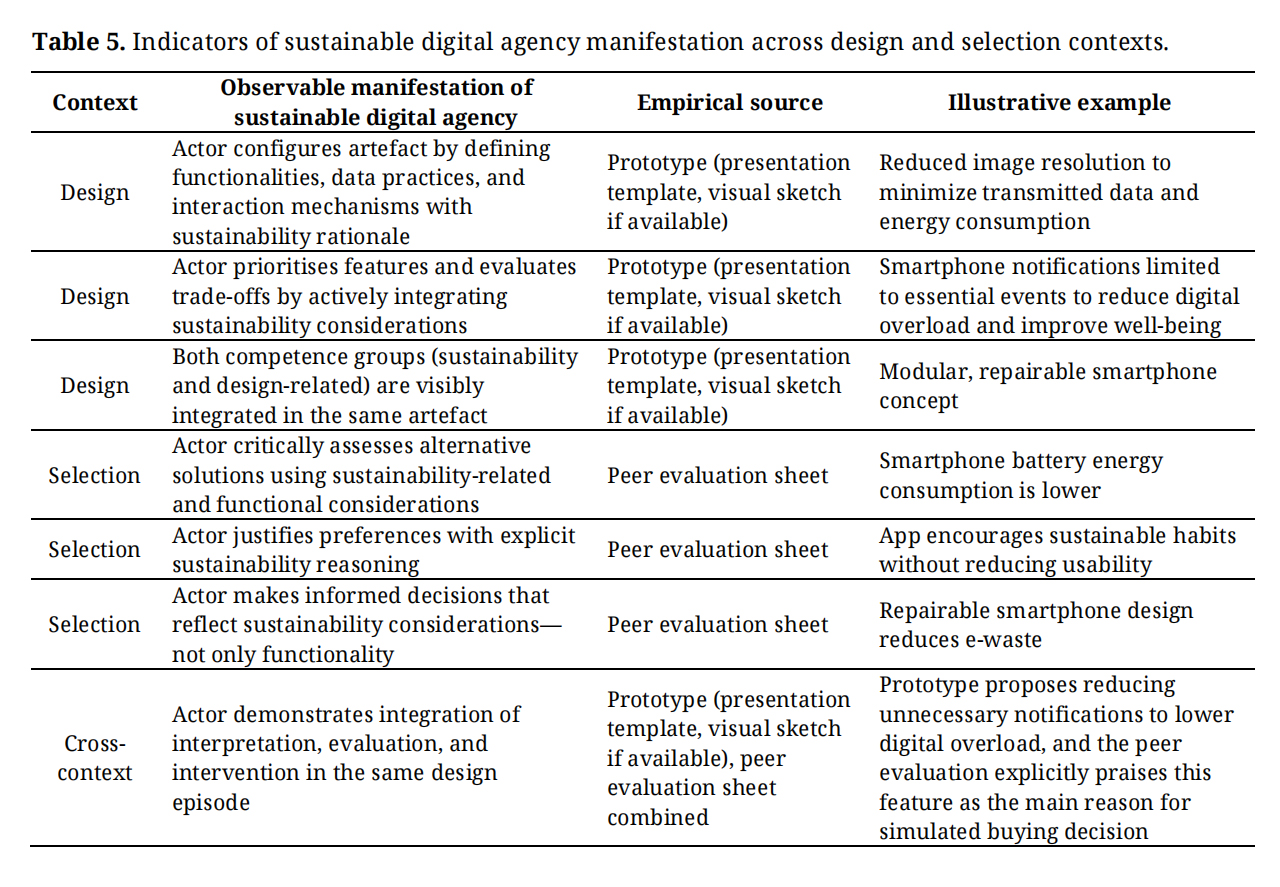 Table 5. Indicators of sustainable digital agency manifestation across design and selection contexts.
The analysis shows that the four competence dimensions are manifested with different frequencies across the prototype records. Among the 102 assessable prototypes, translational design is the most frequently observed dimension (n = 87; 85.3%), followed by digital transformation and co-design (n = 77; 75.5%). Normative sustainability is identified in 55 prototypes (53.9%), while systems awareness is identified in 47 prototypes (46.1%).
Within the sustainability competence group, systems awareness becomes visible when participants articulate sustainability-related consequences, relationships, or dependencies, for example between data use and energy consumption or between production choices and broader environmental impacts. Normative Sustainability is reflected in explicit values, priorities, responsibilities, and trade-offs concerning sustainability, including considerations of responsible digital use, well-being, or production conditions.
Within the design-related competence group, digital transformation and co-design becomes visible when identified user or contextual needs are translated into concrete digital design responses. Translational design is reflected in the integration of sustainability considerations into concrete design decisions, including functionalities, interaction mechanisms, materials, data practices, or lifecycle-related features.
The competence dimensions also occur in different combinations across the artefacts. The most frequent pairwise combination is digital transformation and co-design with translational design (n = 65; 63.7%), followed by normative sustainability with translational design (n = 53; 52.0%) and systems awareness with translational design (n = 46; 45.1%). All four competence dimensions are observable in 28 prototypes (27.5%). These patterns show varying degrees of integration between sustainability-related and design-related competences across the prototype concepts.
Patterns of Agency Across Design and Selection ContextsAgency can be realized by converting capacities and resources into action under specific conditions [61]. In the present analysis, agency is examined across two contexts represented in the empirical material: the creation of prototype concepts and the evaluation of alternative solutions. The prototype analysis examines observable competence manifestations in the design context and how they relate to design agency. The peer evaluations examine sustainability-related reasoning in the selection context and provide indications of evaluation-related agency.
Building on the preceding analysis, three patterns can be distinguished in the prototype concepts: the predominance of design-related competence manifestations, different combinations of sustainability-related and design-related competences, and the joint manifestation of all four competence dimensions in a smaller subset of prototypes. These patterns illustrate different ways in which sustainability considerations become reflected in digital design decisions. Table 6 presents selected prototype examples representing these configurations.
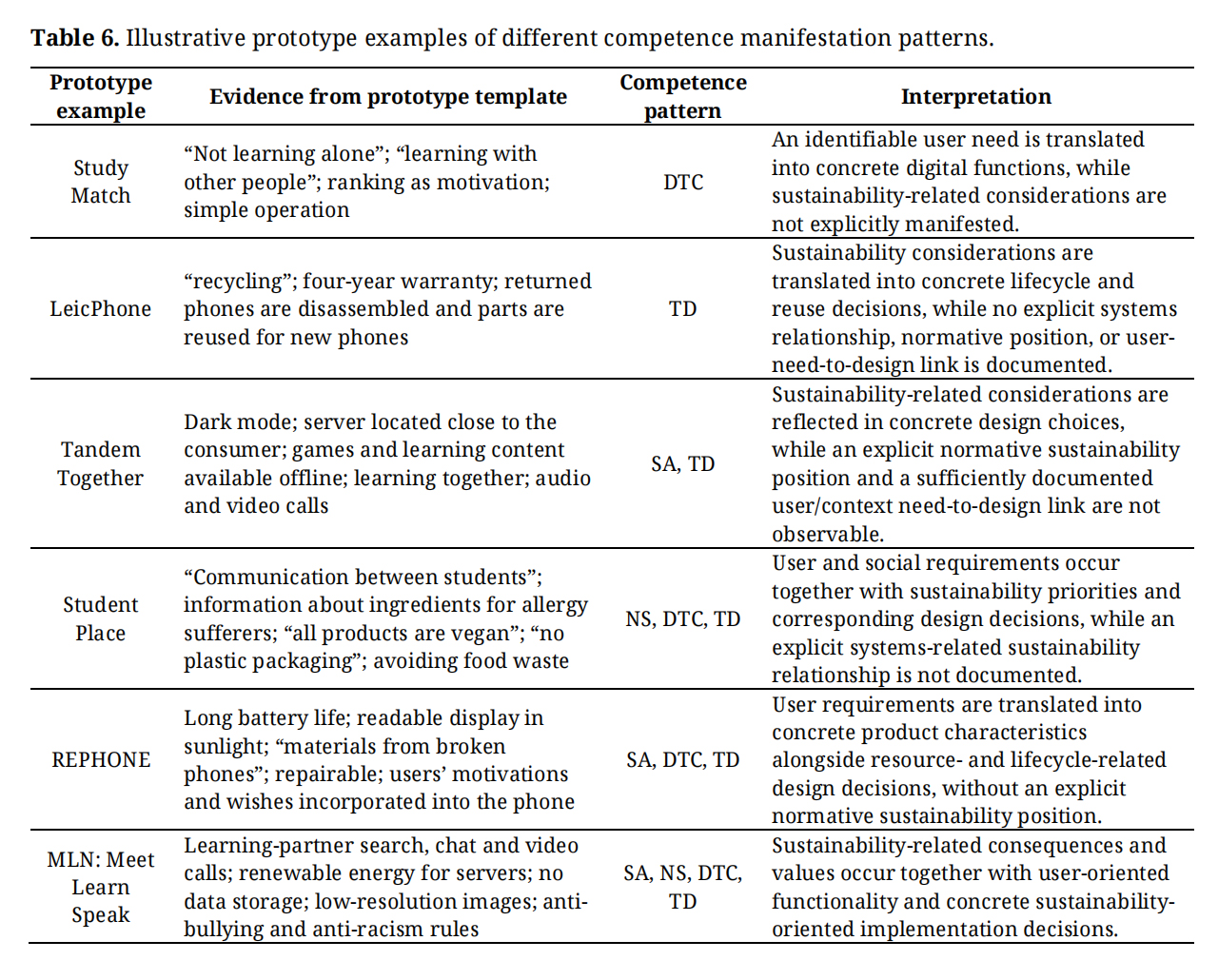 Table 6. Illustrative prototype examples of different competence manifestation patterns.
In the selection context, the analysis of the peer evaluations provides complementary evidence of sustainability-related reasoning. Among the 1847 individual digital artefact evaluations, explicit sustainability-related considerations are identified in 510 evaluations (27.6%). In 1114 evaluations (60.3%), written evaluative reasoning is present without an explicit sustainability consideration, while 223 evaluations (12.1%) do not contain sufficient written reasoning for assessment. Sustainability considerations are therefore explicitly reflected in some of the documented evaluations, while most evaluations do not contain explicit sustainability-related reasoning.
Taken together, the two analyses illustrate how sustainable digital agency can be examined across design and selection contexts. The prototype analysis identifies different configurations of observable competence manifestations in the creation of digital artefacts, while the peer evaluations show how sustainability considerations enter participants’ evaluation of alternative concepts. The descriptive results thus illustrate how the CoDeSus framework can be applied to examine sustainable digital agency across both contexts.
This study contributes an integrative account of how sustainability-related and design-related competences may inform sustainability-oriented action in digital contexts. The central contribution of the CoDeSus framework is to position sustainable digital agency as the relationship between these competences and action in design and selection, rather than treating competences as isolated capabilities. In doing so, it extends ongoing efforts to more systematically integrate sustainability considerations into digital design and information systems research [62,63]. The framework further specifies translational design competence as a capability through which sustainability knowledge, values, and stakeholder requirements may be operationalized in concrete design decisions and artefact characteristics. The empirical illustration shows how this account can be applied to participant-generated prototypes and written evaluations; it is intended to demonstrate analytical applicability, not to validate the framework or establish causal relationships.
Sustainability Competences in Digital Design ContextsThe illustration of the framework suggests that sustainability competences need to be understood in relation to their role in shaping design-related reasoning and decision-making. Existing frameworks conceptualize competences as prerequisites for addressing sustainability challenges [13,15,32], while the empirical illustration highlights how they may become visible in artefacts through design considerations such as feature selection, system configuration, and interaction concepts.
The analyzed artefacts illustrate the complementary roles of the two competence groups. Sustainability competences provide a basis for identifying sustainability-related relationships and articulating values, priorities, and trade-offs. Design-related competences complement these dimensions in different ways: digital transformation and co-design captures the translation of user and contextual requirements into digital solutions, while translational design captures the operationalization of sustainability considerations through concrete design decisions and artefact characteristics. This distinction illustrates how sustainability-related understanding and evaluation can become connected to digital design and aligns with prior work emphasizing analytical, normative, and action-oriented competences in sustainability contexts [50,64].
This relationship also helps clarify the distinction between competence and agency. Within the framework, translational design competence supports the translational moment of agency. While competence refers to a capability, agency concerns its situated enactment through action. Consequently, the presence of sustainability-oriented design features does not necessarily demonstrate the underlying reasoning or competences that produced them.
The descriptive analysis shows that competence dimensions occur in different configurations across the prototype concepts. Design-related manifestations are particularly frequent, while sustainability-related dimensions are present to varying extents. These configurations illustrate how sustainability understanding, normative considerations, user requirements, and concrete design decisions may be connected in different ways within digital artefacts. These observations add empirical detail to challenges discussed in sustainable digital design research, where sustainability considerations are often only partially incorporated [6,7].
The difference in the observed frequencies of translational design (85.3%) and normative sustainability (53.9%) deserves further consideration. This difference can partly be explained by the distinct coding criteria and the evidence available in the prototype documentation. Translational design is identified when sustainability considerations are reflected in concrete design decisions, whereas normative sustainability requires explicit articulation of sustainability-related values, priorities, or trade-offs. Accordingly, sustainability-oriented design features may be documented without a corresponding explanation of the underlying normative considerations. For example, LeicPhone includes recycling, a four-year warranty, and the reuse of components from returned phones, demonstrating translational design without an explicitly documented normative position, such as prioritizing resource conservation or product longevity over frequent device replacement. In contrast, MLN: Meet Learn Speak combines concrete sustainability-oriented design features, including renewable energy for servers, reduced data storage, and low-resolution images, with explicitly stated social values reflected in its anti-bullying and anti-racism rules. Thus, both prototypes show translational design, while normative sustainability is additionally observable in MLN: Meet Learn Speak. The higher frequency of translational design therefore does not necessarily indicate a stronger manifestation of this competence, but may reflect differences in how translational design and normative sustainability are documented and identified in the prototype records.
The peer-evaluation results reveal a further distinction between design and selection contexts. Although the workshops explicitly focused on sustainable digital design, sustainability-related considerations were identified in only 27.6% of the individual digital artefact evaluations. In most evaluations with sufficient written reasoning, participants addressed other aspects of the proposed digital concepts without explicitly referring to sustainability. This suggests that sustainability considerations addressed during design activities are not necessarily reflected in participants’ written evaluations of alternative solutions. However, the absence of explicit sustainability-related reasoning does not necessarily mean that participants considered sustainability unimportant, as the analysis does not assess the relative importance assigned to different evaluation criteria. This observation is consistent with findings from our previous study on the role of design cues in sustainable digital design and evaluation [65]. That study also highlights the potential of integrating sustainability-related features into digital products by default, reducing the need for users to actively prioritize sustainability over competing functional or performance-related considerations. Overall, these findings highlight differences in how sustainability-related reasoning becomes observable across design and selection contexts, supporting the distinction between design agency and evaluation-related agency.
Implications for PracticeIn educational settings, the framework highlights the importance of integrating systems awareness, normative sustainability, digital transformation and co-design, and translational design into coherent learning experiences that support the development of sustainable digital agency. This aligns with approaches in sustainability education that emphasize transformative and practice-oriented learning [13,32].
While the empirical illustration is based on an educational context, the CoDeSus framework’s competence dimensions are conceptually applicable to professional design and procurement settings. However, the specific manifestation of these competences in professional contexts, where actors face organizational constraints, regulatory requirements, and commercial pressures, remains to be examined in future research. Thus, this perspective complements existing approaches in sustainable software design and value-sensitive design [8,66,67] and may support sustainability-oriented action in digital contexts.
Limitations and Future ResearchThis study has several limitations. First, the empirical illustration is based on workshop settings with secondary school students, which limits transferability to professional design contexts. Participants’ prior expertise in sustainability and digital design was not systematically assessed across the workshops, which also limits the interpretation of differences between prototype concepts and peer evaluations. Second, the analysis relies on documented artefacts and written evaluations rather than direct observation of competence development. The identified competence manifestations therefore represent characteristics observable in the empirical material and should not be interpreted as measures of individual participants’ competence levels. Similarly, the peer evaluation data provide indications of evaluation-related agency, but not of participants’ influence over evaluation criteria or procedures. Third, the conceptual-exploratory nature of the study does not allow for generalizable conclusions about the relationships between the competence dimensions. Fourth, while the CoDeSus framework conceptually encompasses use contexts as a third arena of agency enactment, the empirical illustration is limited to design and selection contexts. How sustainable digital agency manifests in use contexts—for example, through user configuration, appropriation, or rejection of digital artefacts—remains to be examined in future research.
Future research could examine the applicability of the framework in higher-education and professional contexts, combining artefact-based analysis with interviews, observations, or longitudinal designs. These approaches could provide further insights into participants’ underlying reasoning and the contextual conditions influencing the manifestation of sustainability-related and design-related competences.
This paper investigated how complementary sustainability and design-related competences support sustainable digital agency in the design and selection of digital artefacts. To address this question, we developed the CoDeSus framework, which integrates systems awareness, normative sustainability, digital transformation and co-design, and translational design competence within a common conceptual perspective.
The empirical illustration revealed different configurations of observable competence manifestations across participant-generated prototype concepts. These findings illustrate how sustainability considerations can be reflected in concrete design decisions, while user-oriented digital design can also occur without explicit sustainability-related manifestations. The peer-evaluation analysis complemented these findings by showing how sustainability-related considerations become visible in participants’ assessments of alternative digital concepts. Together, the two analyses illustrate how the framework can be applied to examine sustainability-related action in design and selection contexts.
The main conceptual contribution of CoDeSus lies in connecting sustainability and design-related competences with sustainable digital agency, rather than treating competences as isolated capabilities. In particular, translational design competence identifies the capability to operationalize sustainability knowledge, values, and stakeholder requirements in concrete artefact-level decisions. The framework thereby distinguishes between competences as capabilities and agency as their situated enactment in sustainability-oriented action.
While the study is conceptual and exploratory, it provides a foundation for further empirical investigation of sustainable digital agency. Future research should examine the applicability of the framework across different contexts, including professional settings, and investigate how competence dimensions relate to sustainability-oriented design and selection practices. Such research could also extend the framework’s application to use contexts.
The data are available upon reasonable request.
Conceptualization, OL, AR and FL; methodology, OL, FL and AR; validation, OL, FL and AR; investigation, OL, FL and AR; resources, OL, FL and AR; writing—original draft preparation, AR; writing—review and editing, OL and AR; visualization, AR and FL; supervision, OL; project administration, OL All authors have read and agreed to the published version of the manuscript.
The authors declare that they have no conflicts of interest.
This work was supported by the Federal Ministry of Research, Technology and Space (Bundesministerium für Forschung, Technologie und Raumfahrt) and the Joint Science Conference (Gemeinsame Wissenschaftskonferenz, GWK) under the framework of the Innovative University programme (Innovative Hochschule), as part of the “InNoWest–Einfach machen! Gemeinsam nachhaltig und digital in Nord-West-Brandenburg” project under the funding code 03IHS230A (HNEE), 03IHS230B (FHP), and 03IHS230C (THB).
1.
2.
3.
4.
5.
6.
7.
8.
9.
10.
11.
12.
13.
14.
15.
16.
17.
18.
19.
20.
21.
22.
23.
24.
25.
26.
27.
28.
29.
30.
31.
32.
33.
34.
35.
36.
37.
38.
39.
40.
41.
42.
43.
44.
45.
46.
47.
48.
49.
50.
51.
52.
53.
54.
55.
56.
57.
58.
59.
60.
61.
62.
63.
64.
65.
66.
67.
Levina O, Revina A, Lindauer F. Sustainable Digital Agency in the Design and Selection of Digital Artefacts: The CoDeSus Competence Framework. J Sustain Res. 2026;8(4):e260091. https://doi.org/10.20900/jsr20260091.

Copyright © Hapres Co., Ltd. Privacy Policy | Terms and Conditions


