Location: Home >> Detail
J Sustain Res. 2026;8(4):e260092. https://doi.org/10.20900/jsr20260092
 ,
Ari Happonen 1,* ,
Jari Porras 1 ,
Helen Poltimäe 2 ,
Victoria Palacin 3 ,
1
2
3
*
Cognitive biases often influence people’s behavior, actions, and decisions. While these biases may lead to closed-mindedness and resistance to change, they may also encourage pro-environmental behavior. Although research on cognitive biases and sustainability has increased in recent years, the evidence remains fragmented across sustainability domains, limiting a comprehensive understanding of their influence on sustainable decision-making. To address this gap, we conducted a systematic literature review following the PRISMA methodology to synthesize existing research on cognitive biases influencing decision-making in sustainability contexts. This study investigates how cognitive biases shape sustainable decision-making, whether they act as obstacles or can also serve as positive leverage for achieving sustainability goals and facilitating sustainability transitions. The findings reveal 58 cognitive biases reported across 41 studies that influence sustainable behavior and decision-making across multiple sustainability domains. While some biases contribute to unsustainable habits, others can be leveraged to encourage more sustainable actions and support the Sustainable Development Goals (SDGs). For policymakers and municipal waste authorities, the study provides important targets for intervention. For sustainability practitioners, the four-module framework shows how different biases can be addressed at different stages of decision-making. For researchers, the review highlights important research gaps and provides a basis for future interdisciplinary studies.
SLR, systematic literature review; SDG, sustainable development goals; CSR, corporate social responsibility; ERB, environmentally responsible behavior
Sustainability challenges such as climate change, waste generation and unsustainable consumption require changes in individual and societal behavior [1–3]. Awareness of environmental problems has grown significantly due to increasing concerns related to a waste reduction gamification campaigns [4–7], news of the need to limit the global temperature rise to 1.5 °C by the year 2100 [8], pollution caused by microplastics [9], the challenge of melting ice caps [10], e-waste generation and recycling problems [11,12], and the environmental impact of emerging technologies such as artificial intelligence (AI) [13]. Nevertheless, sustainable attitudes do not always lead to sustainable actions [14]. Individuals may continue engaging in environmentally harmful practices and choose the easiest option [15], even when they understand their negative consequences.
One explanation is that people generally believe that their decisions are rational and based on knowledge [16]. People rely on everyday judgment and mental shortcuts to process complex information and make decisions [17] and build mental models to shortcut stress-related situations and train us to cope with challenging situations in life. However, these decisions are often influenced by cognitive biases. Cognitive biases refer to systematic patterns of deviation from the norm [18] or rationality in judgment that lead to reasoning about other people and situations in an illogical manner [19]. Humans do not recognize their biases easily [20] and this can be a problem at an individual level [21]. For example, people seem to underestimate the long-term dangers of things like the effects of excess waste generation, global warming, and species extinction [22]. However, cognitive biases can also affect personal and social activities positively [23]. Individuals may become more aware and motivated to make positive changes by highlighting the inconsistency between values and behavior.
Although research on cognitive biases and sustainability has increased in recent years, the existing literature remains fragmented across different disciplines and sustainability domains [23,24]. Yet, no review has systematically compared cognitive biases across sustainability domains, examined their implications, and synthesized mitigation strategies reported in the literature. To address this research gap and contribute to sustainability challenges [25–27], the present study conducts a systematic literature review (SLR) using the PRISMA methodology to examine cognitive biases influencing sustainable decision-making. Unlike previous reviews that focused on selected sustainability domains or bibliometric trends, this review provides a cross-domain synthesis of cognitive biases and summarizes mitigation strategies reported in the literature. This study responds to the call by Cherkaoui and Oudrhough (2024) [24], who emphasized the need for more interdisciplinary research and further investigation into the impact of cognitive biases on sustainable decision-making. Whereas Mazzitelli and Belgacem (2025) [28] focused on organizational governance and CSR as the sustainability domain, the current study review provides the first cross-domain PRISMA-based synthesis that extends this analysis to individual, policy, consumer, waste management, tourism, and technology domains, and then adds a conceptual framework, which Mazzitelli and Belgacem (2025) [28] study did not provide. To provide comprehensive coverage of cognitive biases, the review synthesizes evidence across several sustainability areas, including waste management, recycling, public policy for sustainable development, and climate change.
This study contributes to the existing literature by (1) systematically identifying cognitive biases that may influence sustainable decision-making and behavior; (2) exploring the implications of these biases across sustainability domains; (3) summarizing mitigation and intervention strategies reported in the literature to reduce the biases’ negative impact. Finally, we synthesize the reviewed evidence into a conceptual framework illustrating how cognitive biases influence sustainability-related decision-making. To directly address the research goals, the following research questions (RQs) were developed to guide the study:
The rest of the paper is organized as follows: Section “Background and Related work” examines background information and synthesizes related research. Section “Methodology” explains the methods used in this study. Section “Results” presents the results. Section “Discussion” discusses these results and provides the limitations, research gaps and directions for future research. Section “Conclusions” concludes the paper.
Human beings have a remarkable ability to think about and adopt the perspectives of others [29,30]. We also have coping methods that help us adapt to the changing world [31]. Psychological frameworks consider biases resulting from using (inappropriate) cognitive heuristics that people apply to cope with data limitations, information processing constraints, or a lack of expertise [23]. Neuro-evolutionary frameworks offer a deeper explanation of biases, attributing them to the inherent design characteristics of our brain. These characteristics evolved as a neural network primarily developed to perform essential physical, perceptual, and motor functions, promoting the survival of our hunter-gatherer ancestors [23].
According to cognitive theory, an individual’s interpretations, beliefs, and self-perceptions shape their emotional responses and influence their behavior [32]. Based on their perception of input, individuals create their own ‘subjective social reality’ [33]. Biases can be related to age, race, ethnicity, work, choice and advancement, well-being care, religion, inability, nationality, financial status, law and equity, instruction, etc. [17]. It is essential to be mindful of cognitive, personal, societal, and other surrounding biases and their potential effects [17]. Biases can also be a cause of de facto accepted “best practices” by the surrounding society or cultural environment, or circles of hobbies people are part of, where no one has challenged the illogical realities of accepted behavior models. Even if a country’s policy shows a strong legal commitment to reducing emissions, this does not always mean there is lasting political support [34]. Cognitive biases help us quickly and efficiently make sense of our environment but also unconsciously influence our judgment [35]. When we do not have all the information, our brain fills in the gaps using unconscious assumptions, guiding our social interactions and decisions. This mental shortcut helps us simplify complex situations and respond, even when we only have partial information. However, over time, this leads us to believe that people in certain groups are more similar than they are. We start to rely on traits like race, gender, or other visible characteristics as shortcuts for understanding someone’s identity, behavior, or intentions. These stereotypes are reinforced by our friends, family, coworkers as well as by media, news, and social networks [17]. This pattern has some truth, since people often act similarly in group settings, influenced by crowd behavior [36]. As a result, it becomes common to rely on shared traits to categorize and judge groups of people, even if this method oversimplifies reality.
Decision-Making and Cognitive BiasesSeveral theories help explain decision-making for sustainability [37]. The Theory of Planned Behavior [38,39] is a model explaining how our beliefs influence daily behavior. This theory suggests that three types of considerations shape human actions: (1) Behavioral beliefs involve the anticipated outcomes of a behavior and the assessment of these outcomes; (2) Normative beliefs encompass the perceived social pressures to engage or not engage in a behavior; (3) Control beliefs relate to the perceived ease or difficulty of carrying out the behavior, reflecting both experience and expected obstacles. These beliefs collectively shape an individual’s intentions and actions by affecting their attitudes towards the behavior, subjective norms, and perceived behavioral control. Another theory called Value–Belief–Norm (VBN) helps to understand the support for social movements as values play as foundation for environmental concern, beliefs shape the perception of environmental issue and personal norms drive pro-environmental behavior [40]. The influence of individual, social, and informational factors, including personality, emotion, stereotypes, culture, media, and knowledge, plays a role in forming our behavioral, normative, and control beliefs [41].
One of the cognitive biases named confirmation bias may cause individuals to actively seek and interpret information that aligns with their beliefs and attitudes, strengthening their behavioral intentions [42]. Cognitive biases can be shaped by emotions, information processing limitations, cultural norms, and social factors, thus affecting our intentions. These biases can distort the rational assessment of outcomes, social pressures, and perceived control, influence the formation of intentions and push behavior execution in ways that may not align with objective reality. Additionally, some literature suggests that cognitive biases contribute to our inability to effectively address climate change [43,44]. Changing these factors by using our cognitive biases toward a more sustainable attitude supports nudging a person’s behavior to a more sustainable one. Tapia-Fonllem et al. (2013) [45] argued that pro-environmental behavior is a component of the broader concept of “sustainable behavior,” which has a positive impact on individuals’ perception of happiness. Nevertheless, there is still a shortage of understanding of how biases affect the formulation of environmental policies, personal level activities taking and avoiding related to sustainability, and how this information might be applied to address the fundamental systemic problems facing the contemporary world.
Cognitive Bias CodexTo create a theoretical foundation for the study, the Cognitive Bias Codex [46] was used as framework for cognitive bias classification. The Cognitive Bias Codex is a framework aimed at resenting a variety of empirically confirmed biases in the human cognitive system, categorized by similarity of cognitive operation. It illustrates various cognitive biases in one into four categories. Each category contains a specific sub-category, and each sub-category has a group of cognitive biases. We have replaced the original graphical representation of the framework with the tabular format (presented in Table A1 due to space limitation) for enhanced readability and accessibility.
Each category is explained below:
1.
2.
3.
4.
Overlooking cognitive biases may reduce the effectiveness of environmental interventions. Some disseminating recycling information may not understand cognitive biases, which can significantly sway decision-making. For example, someone may be aware of the harmful effects of fast fashion on the environment and workers but still choose to buy cheap clothing from environmentally damaging companies. Cherkaoui and Oudrhough conducted a study about cognitive bias and sustainable decision-making using the PRISMA protocol [24]. However, the article itself is a bibliometric analysis of the reviewed literature, and it does not provide a discussion of all biases that influence a person’s sustainable decision-making. Korteling et al. (2023) conducted the most recent holistic review on sustainability and cognitive biases [23]. However, the article did not apply the PRISMA methodology and did not provide a comprehensive overview of cognitive biases across sustainability domains. Yet, existing reviews do not systematically synthesize recommendations for mitigating cognitive biases across these domains. Therefore, our study extends earlier work by systematically reviewing primary empirical evidence and examining cognitive biases, their effects, and reported mitigation strategies across sustainability domains.
This study uses a systematic literature review (SLR) methodology, utilizing the PRISMA (Preferred Reporting Items for Systematic Reviews and Meta-Analyses) methodology process. The PRISMA methodology was used to ensure a systematic, transparent, and reproducible approach to identifying, selecting, and evaluating the relevant literature. PRISMA provides a comprehensive framework for conducting systematic reviews, enabling researchers to minimize bias and improve the reliability and accuracy of their findings. By adhering to PRISMA guidelines, we aim to minimize bias and ensure our review is based on robust and well-documented evidence. Consistent with the approach outlined by [47], this research was carried out through three distinct phases: planning, conducting, and reporting.
Planning the SLRDuring this stage, various activities were undertaken with academic professors and area specialists who held prominent positions in their respective markets. These activities, crucial for peer-reviewed academic studies, include (1) defining the search string; (2) choosing the databases for the search; and (3) establishing the inclusion and exclusion criteria.
Defining the Search StringBased on the research questions, keywords were identified to formulate the search query. While considering the research questions, the focus was to develop the most frequent and famous words used during the discussion with academic professors and specialists. As a result, the most relevant keywords include bias, cognitive bias(es), sustainability and environmental problem(s) and solution(s), waste prevention, and waste management.
Selecting the Publication Sources for the SearchTo ensure sufficient coverage while keeping the search manageable, we limited the search to four databases with complementary disciplinary scopes: (1) ACM; (2) IEEE; (3) Web of Science; and (4) Scopus. These databases were selected based on their broad coverage of the relevant literature. ACM and IEEE provide extensive coverage of computing and technology research, while Web of Science and Scopus offer broader multidisciplinary coverage relevant to sustainability and behavioral research. The selection was also informed by discussions with researchers in the field and the authors’ expertise in the research topic. Together, these databases were considered appropriate for the interdisciplinary scope of this review.
Defining the Inclusion and Exclusion CriteriaThe following inclusion criteria (IC) and exclusion criteria (EC), which were defined and applied in this study:
•
•
•
•
•
•
•
The review process follows the PRISMA methodology. The first step was to run the search queries among the selected databases. For that the search queries were developed using the relevant keywords discussed earlier in this section. Since each database used in this study utilizes its own syntax for executing search queries, we devised specific search terms accordingly. Consequently, we executed individual queries within the ACM, IEEE, Web of Science and Scopus databases, as presented below in Table 1.
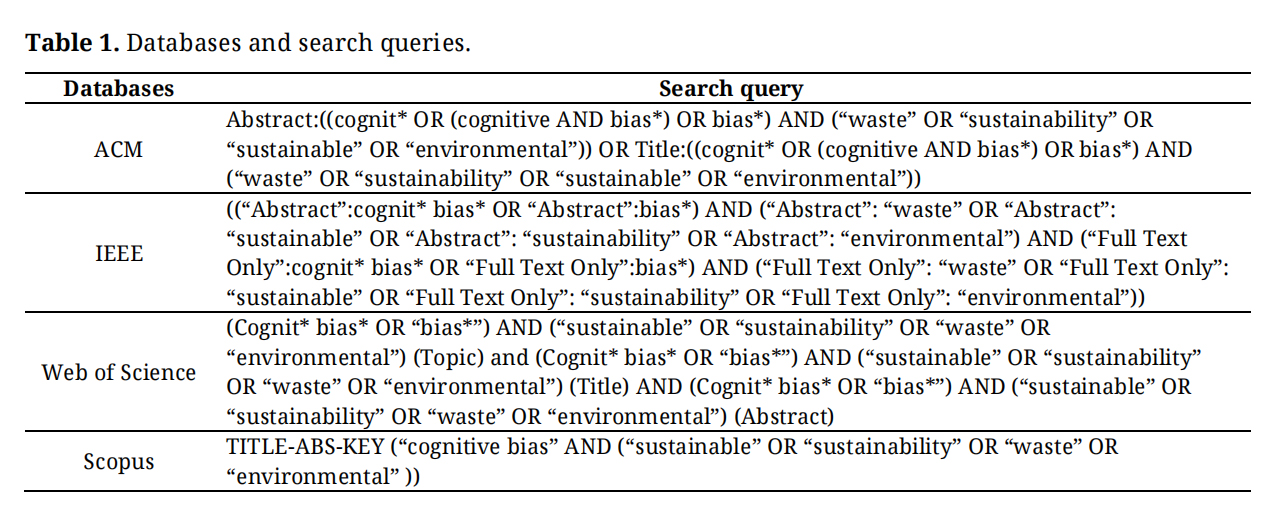 Table 1. Databases and search queries.
The initial search in these four databases retrieved 2691 records. After that, we applied a time filter to consider relatively new publications. The search was conducted on December 31, 2025, ensuring that it encompassed all papers up to 2025. Therefore, results from the start of 2000 to the end of 2025 were included, reducing the number of records to 2584. A publication-type filter was then applied, and duplicate records were removed, resulting in resulting in 2203 records for screening. After title and abstract screening (performed by the first and second authors), 210 records were assessed for eligibility. After full-text eligibility assessment (performed by the first author), 41 studies were included in the final synthesis. To be included, an article had to mention at least one cognitive bias related to sustainability or sustainable behavior. Table 2 illustrates the search results retrieved from each database at different stages of this investigation.
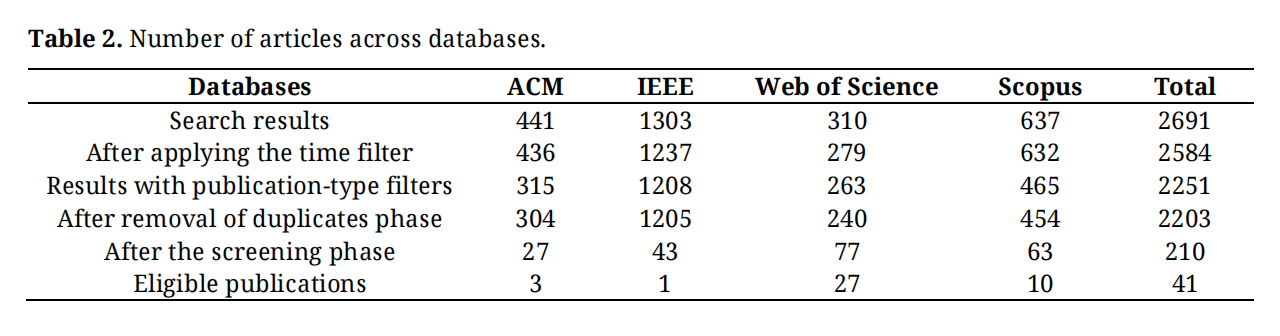 Table 2. Number of articles across databases.
After selecting the relevant publications from three databases a total of 41 eligible articles went for future analysis. Figure 1 presents the process of article selection using the PRISMA methodology.
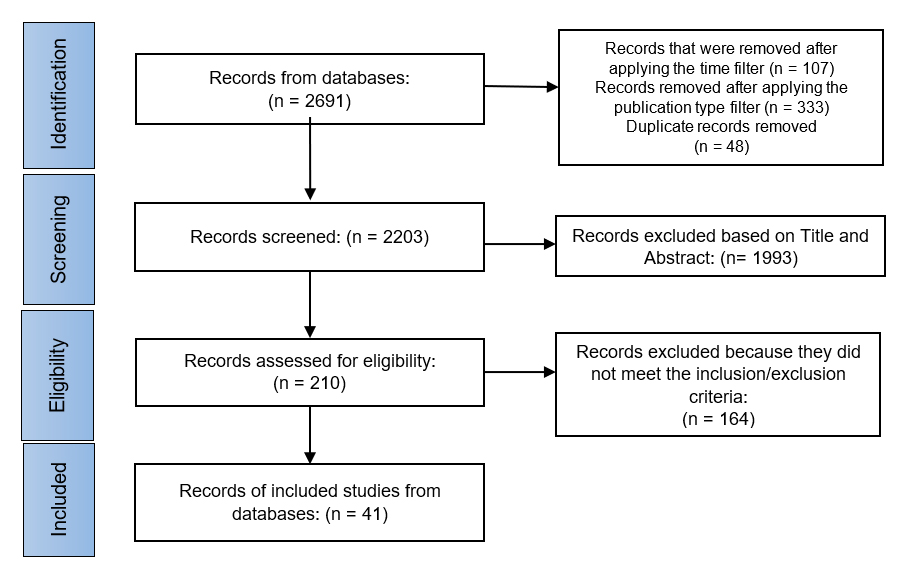 Figure 1. PRISMA flow diagram for the literature review.
Next, we collected the data from each eligible article. Data extraction is an important step in a systematic review because it helps with deeper analysis. The extracted information was saved in Microsoft Excel for further analysis, including the title of the publication, name of the bias, classification, targeted field, consequences of the bias, recommendations. The first author performed the initial data extraction and classification. A second author subsequently reviewed the coding of all 41 included studies, including the identified cognitive biases, sustainability domains, bias classifications, and reported effects and interventions. Any disagreements were discussed and resolved between the authors. The quality assessment of the included studies was also considered during the review. As the studies used different empirical methods, we considered the appropriateness of the research design, sampling, data collection and analysis methods, as well as how well the findings were supported and whether study limitations were reported. These aspects were considered when interpreting the reported effects and interventions. The quality assessment uses a three-level scoring system: Yes (1), Partial (0.5), and No (0). Yes indicates that the criterion is fully addressed with clear supporting evidence; Partial indicates that it is addressed but lacks sufficient detail; and No indicates that it is not adequately addressed. The maximum possible score for each study is 4 points. Please use the following link to access the methodological and quality assessments: 10.5281/zenodo.24381583. The results of SLR are presented below, along with a summary of existing solutions from the selected articles.
This section presents the results of the systematic literature review based on the 41 eligible publications identified through the PRISMA process. The evidence is organized according to the four research questions of this study. First, the sustainability domains in which cognitive biases have been investigated are identified. Second, the cognitive biases discussed in the literature are mapped and categorized using the Cognitive Bias Codex framework. Third, the influence of these biases on decision-making and behavior is analyzed. Finally, mitigation strategies proposed in the literature are summarized.
In Which Sustainability Domains Have Cognitive Biases Been Investigated in the Literature?The reviewed literature demonstrates that cognitive biases have been studied across several sustainability-related domains: (1) Environmental Management and Climate Change, (2) Consumer Behavior and Sustainable Consumption, (3) Public Policy and Sustainability Governance, (4) Waste Management and Circular Economy, (5) Tourism and Behavioral Sustainability, (6) Technology and Information Systems, (7) Organizational Sustainability and Sustainable Finance. Table 3 illustrates cognitive biases captured in a wide range of areas within the sustainability domains.
The results show that environmental management and climate change domains contain the highest concentration of cognitive biases, suggesting that sustainability challenges involving long-term risks and uncertainty are particularly susceptible to biased decision-making. In contrast, consumer behavior research mainly focuses on biases influencing sustainable consumption, while policy studies highlight biases affecting governance and environmental policy development. In the economy, these biases can affect decisions related to carbon emission reduction, cap-and-trade policies, and the use of fossil fuels or purchased electricity. In environmental management, they influence expert elicitation techniques, environmental flow assessments, and valuation surveys. Within consumer behavior, biases shape how people respond to sustainability marketing, consumer marketing, and specific pro-environmental products, as well as how communication strategies affect environmental attitudes. Overall, Table 4 illustrates that cognitive biases have broader implications across multiple sustainability-related disciplines, influencing decision-making, behavior, and the effectiveness of sustainable practices.
To better understand how cognitive biases appear across sustainability domains, a bias–domain matrix was developed based on the reviewed literature. The matrix (Table 4) indicates whether a specific bias was reported in studies related to each sustainability domain. A check mark indicates that the bias was identified in at least one article addressing that domain.
The matrix includes the most frequently discussed or representative biases identified in the reviewed studies, rather than all 58 biases, to improve readability and highlight the most relevant cross-domain patterns. The matrix reveals that certain biases, such as optimism bias and confirmation bias, appear across multiple sustainability domains, suggesting that they represent cross-cutting cognitive mechanisms influencing sustainability decision-making. In contrast, some biases appear domain-specific, particularly those associated with consumer behavior or policy decision-making contexts.
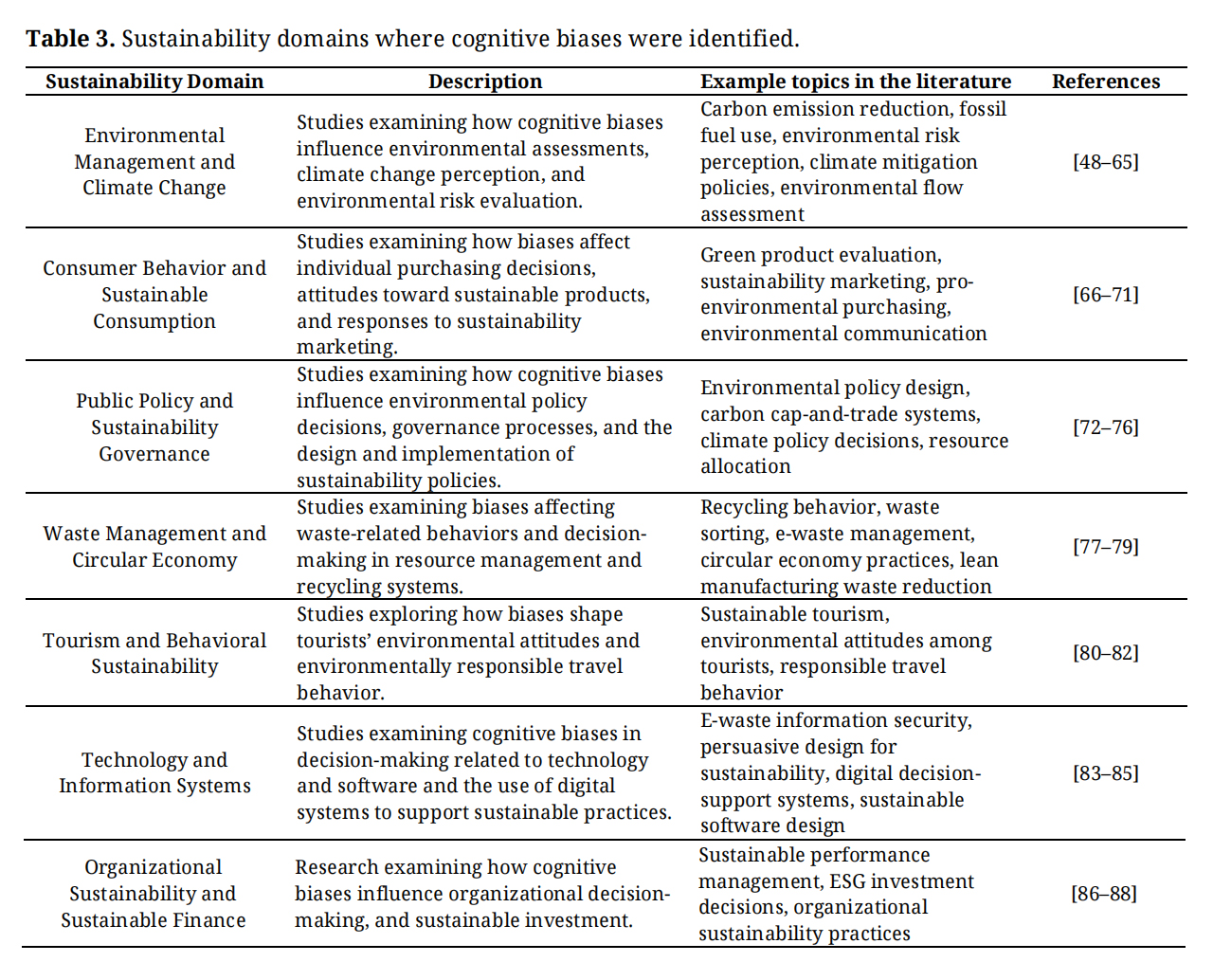 Table 3. Sustainability domains where cognitive biases were identified.
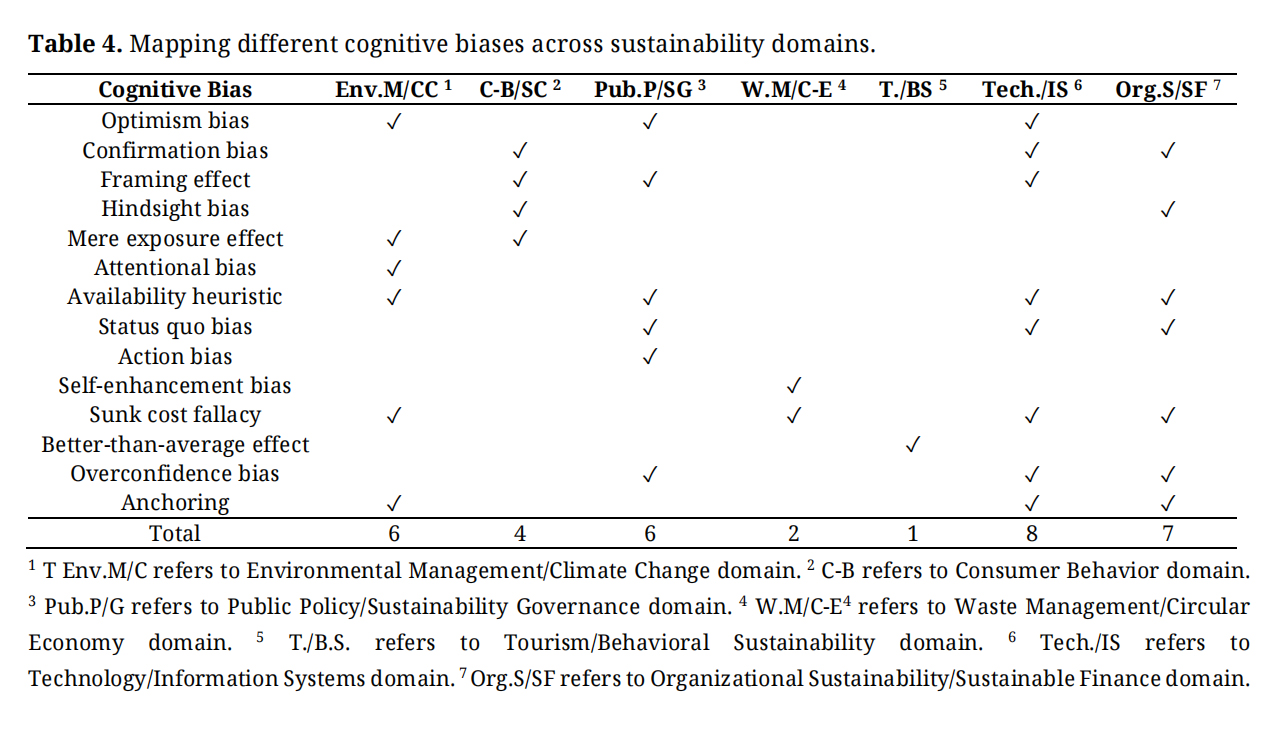 Table 4. Mapping different cognitive biases across sustainability domains.
This subsection addresses the second research question by summarizing the cognitive biases reported in the reviewed literature. The analysis identified 58 cognitive biases discussed in sustainability-related contexts across the 41 reviewed publications. By systematically compiling and categorizing these biases, researchers can gain deeper insights into the ways human cognition shapes behaviors relevant to sustainability. Using the cognitive biases exhaustive list presented in Table A1 as a foundation, we mapped each identified bias to one of the four main categories described in the Background section. Notably, no cognitive biases were identified under the “What should we remember” category. Table 5 presents the identified cognitive biases that could be mapped to the Cognitive Bias Codex across the remaining three categories, together with their references.
However, some biases could not be consistently mapped to the existing framework. Therefore, an Additional category was introduced to accommodate these biases (n = 34). The full list of cognitive biases included in the Additional category, together with their references, is provided separately in Table A2 to improve readability. The distribution of biases suggests that “Need to Act Fast” biases associated with rapid judgment dominate sustainability research. In contrast, relatively few studies address biases related to meaning making or information processing, indicating potential gaps in the literature. Figure 2 illustrates the distribution of identified cognitive biases across the three decision-making categories. Within the “Need to act fast”, 11 biases were identified. The “Not enough meaning” category comprises 7 biases, while another 6 biases were classified under the “Too much information” category.
Figure 2 shows that Optimism bias and Status quo are the most frequently reported biases in the “Need to act fast category”, ranking first with 7 citations each across the 41 reviewed articles. In the “Not enough meaning” category, Hindsight bias and Bandwagon effect rank first, with two citations each. In the “Too much information” category Availability heuristic (bias) and Confirmation bias are the most frequently reported biases, ranking first with 8 citations each. Among all reviewed articles the first place is taken by Availability heuristic (bias), and Confirmation bias, the second place is taken by Optimism bias, and Status Quo. The third position regarding the frequency of citation is taken by Anchoring. By identifying and grouping these biases, tables show the multifaceted nature of factors influencing sustainability practices and policies. The presence of many unclassified biases highlights the limitations of existing bias taxonomies when applied to sustainability research. Many of these biases relate to social dynamics, technological contexts, and environmental risk perception, which are not fully captured by traditional cognitive bias frameworks.
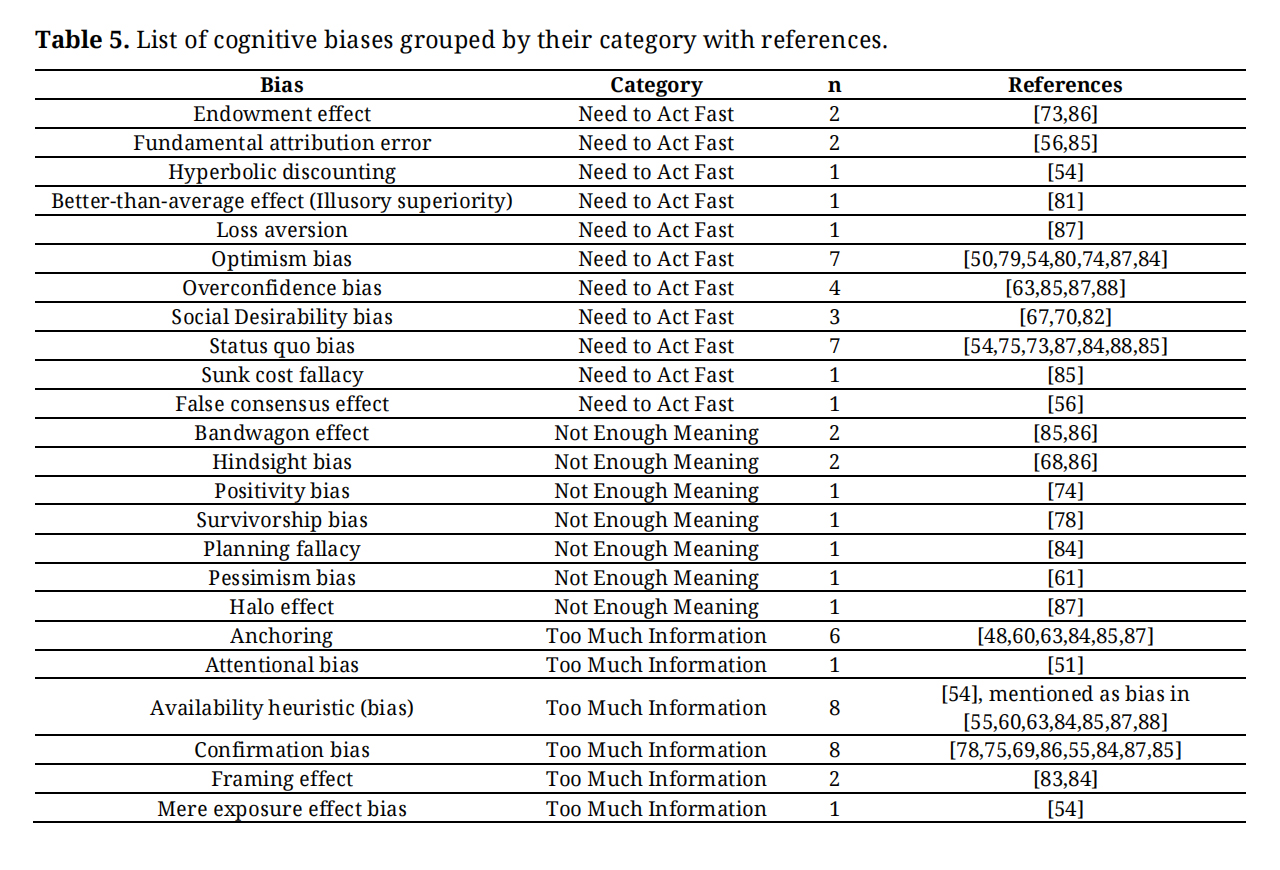 Table 5. List of cognitive biases grouped by their category with references.
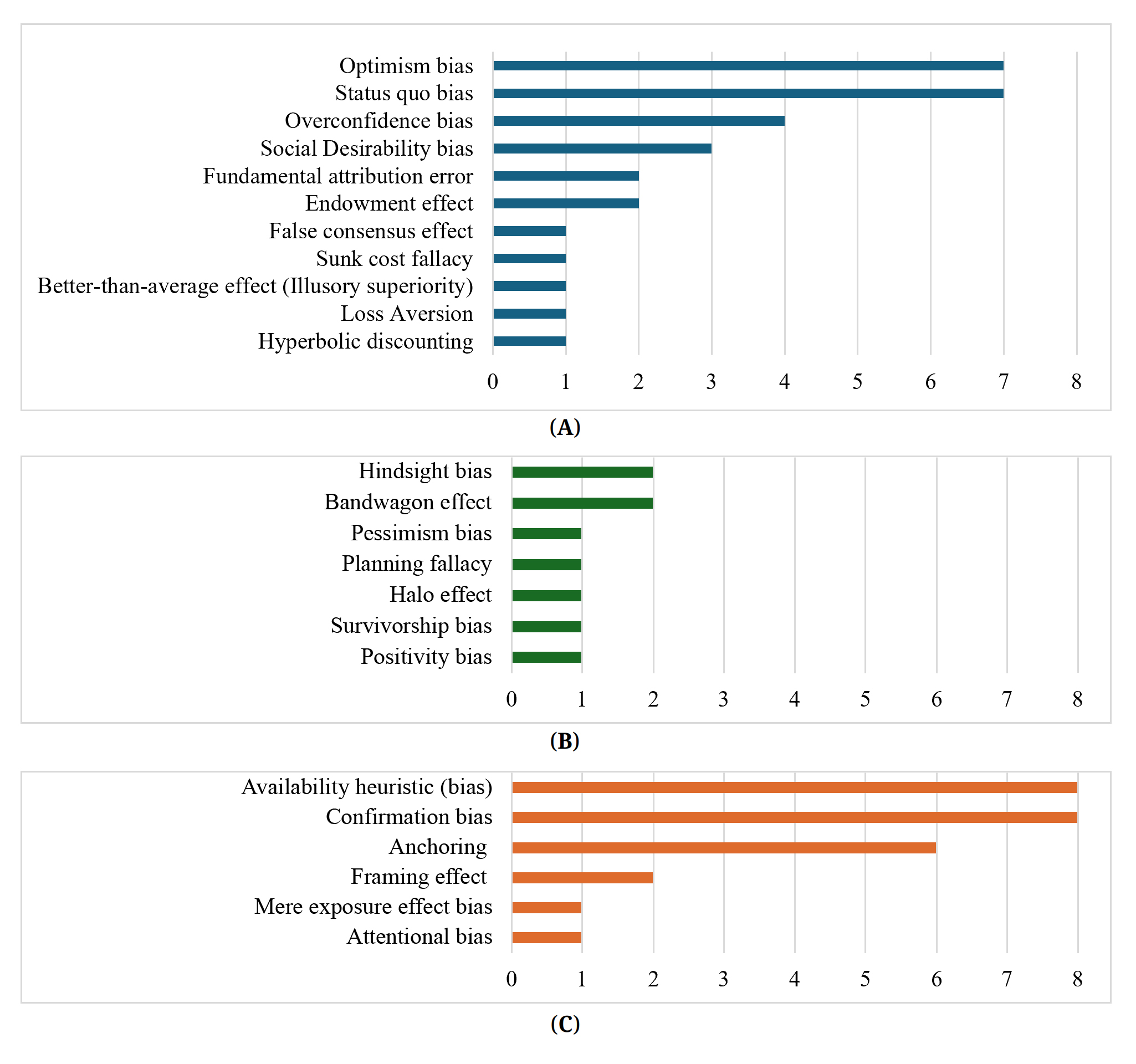 Figure 2. Distribution of cognitive biases across decision-making categories. Panel (A) shows biases related to Need to Act Fast category, panel (B) shows biases related to Not Enough Meaning category, panel (C) shows biases related to Too Much Information category.
The answer to this research question dives into how our attitudes, shaped by our cognitive biases, play a big role in how we act: whether doing something or deciding against it. Environmental decisions often lead to a variety of outcomes, and many of these are shaped by the cognitive biases people hold. The reviewed literature indicates that cognitive biases affect multiple stakeholder groups involved in sustainability decision-making. Five primary groups are frequently discussed: consumers, policymakers, conservation professionals, employees, and residents. These actors guide sustainability outcomes both individually and collectively through their perceptions, values, and institutional roles. For example, conservation professionals may exhibit risk aversion and omission bias when evaluating environmental interventions [62]. This bias can affect how individuals judge environmental behavior, how they respond to new information, and how willing they are to support long-term environmental actions. As a result, decisions may not always lead to the most effective or sustainable results. Although individuals may perceive their actions as autonomous, future behavior is substantially shaped by motivations and intentions formed in advance.
Decisions and Behavioral Effects on Sustainability OutcomesAcross the reviewed literature, cognitive biases were found to shape sustainability-related decision-making across multiple domains, including environmental management and climate change, consumer behavior and sustainable consumption, public policy and governance, waste management and the circular economy, tourism, and technology and information systems. Table 6 summarizes how specific cognitive biases influence sustainability-related decisions across the seven sustainability domains identified in this study.
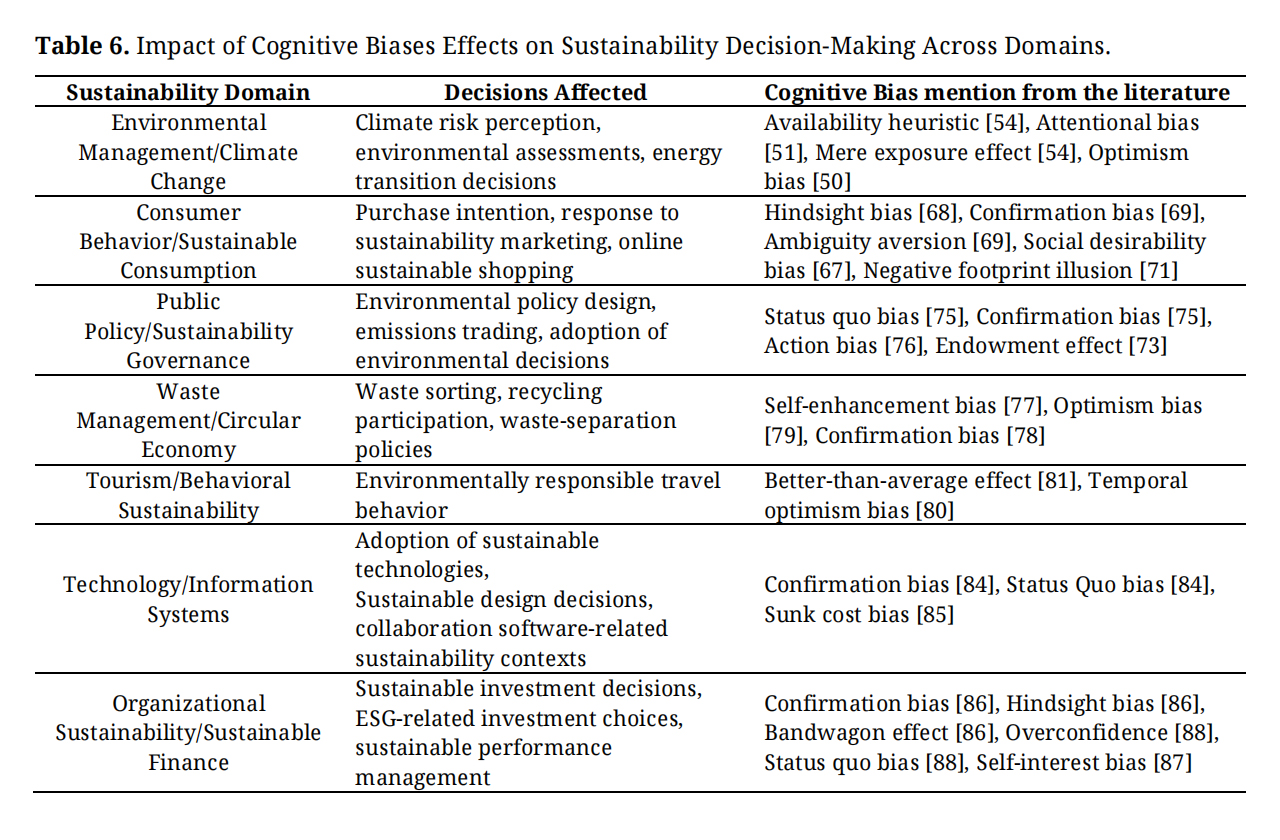 Table 6. Impact of Cognitive Biases Effects on Sustainability Decision-Making Across Domains.
Overall, the literature indicates that cognitive biases influence sustainability outcomes through several recurring mechanisms, including distorted risk perception, overconfidence in existing systems or technologies, and discrepancies between perceived and actual pro-environmental behavior.
Behavioral Effects on Decisions Related to PolicymakingDecisions made during the policymaking process can lead to very different outcomes, especially when cognitive biases determine how problems and solutions are viewed. These biases may affect how risks are judged, how resources are distributed, and how strongly people support or resist certain policies. As a result, some policies become effective and widely accepted, while others struggle or fail to bring real change. For example, status quo bias may encourage decision-makers to defend existing institutional systems and resist environmental reforms, particularly when the current system is perceived as stable and predictable [75].
Other biases influence environmental governance. Personal experiences may shape environmental perceptions. According to the availability heuristic, individuals who experience extreme weather events or recall environmental disasters may become more aware of climate change and environmental risks [54]. In addition, biases such as better-than-average effect and self-enhancement bias may lead individuals to overestimate their ability to manage environmental problems or perceive themselves as more environmentally responsible than others [77,81]. In waste governance contexts, action bias may encourage policymakers to adopt visible but less effective environmental actions to demonstrate responsiveness to environmental concerns [76]. Overall, recognizing these biases is important for designing more balanced and effective sustainability policies.
What Mitigation and Behavioral Intervention Strategies are Proposed to Address Cognitive Biases in the Literature?The reviewed literature proposes several strategies to mitigate or leverage cognitive biases in sustainability contexts. These strategies range from communication techniques and behavioral interventions to policy design approaches. Table 7 includes the recommendations and intervention strategies that could be linked to specific cognitive biases based on the reviewed studies.
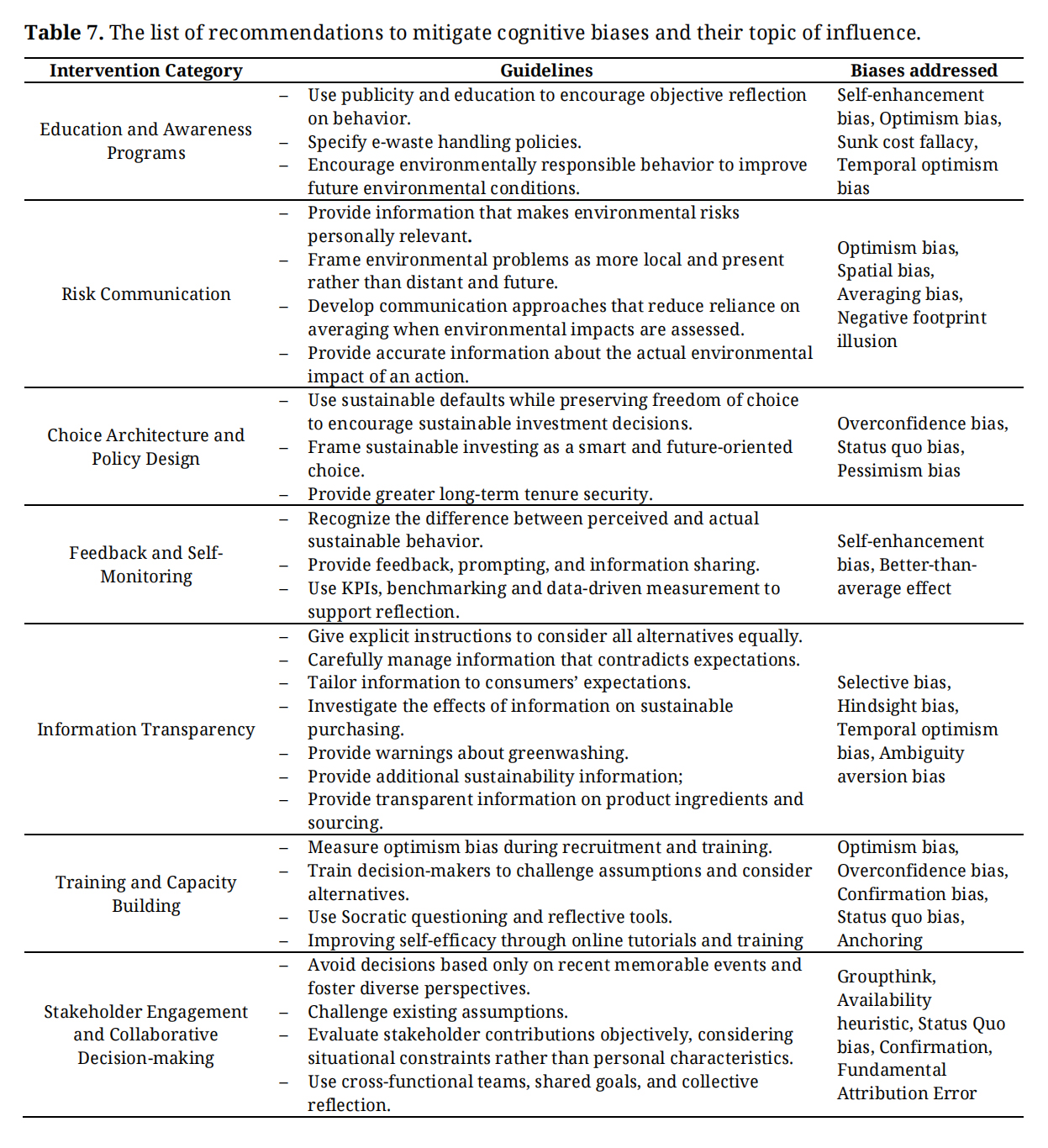 Table 7. The list of recommendations to mitigate cognitive biases and their topic of influence.
As shown in Table 7. the extracted guidelines and recommendations are grouped into 7 categories:
| 1. | Education and Awareness Programs. |
| 2. | Risk Communication. |
| 3. | Choice Architecture and Policy Design. |
| 4. | Feedback and Self-Monitoring. |
| 5. | Information Transparency. |
| 6. | Training and Capacity Building. |
| 7. | Stakeholder Engagement and Collaborative Decision-making. |
The detailed description of each of the categories with reference to the existing literature is as follows.
| 1. | Education and Awareness Programs aim to increase awareness of bias-driven judgments and improve reflective decision-making. The reviewed studies recommend paying more attention to peoples’ behavior objectively [77], raising public awareness of environmentally responsible behavior (ERB) [80], and providing clear organizational policies, such as e-waste handling guidelines [79]. |
| 2. | Risk Communication aims to improve understanding of uncertainty and long-term environmental consequences. Suggested strategies include making environmental risks more personally relevant [50], present environmental problems as more local and present rather than distant and future [57] and increasing public awareness through media and communication campaigns [79]. |
| 3. | Choice Architecture and Policy Design aim to encourage sustainable behavior without limiting freedom of choice. The reviewed studies suggest framing sustainable investing as a smart, future-oriented choice to reinforce investors’ self-perception, continuously present success stories, performance data, and news on sustainable companies to keep ESG options salient, and implement targeted messaging and behavioral nudges via platform design [88]. |
| 4. | Feedback and Self-Monitoring aim to reduce discrepancies between perceived and actual behavior. To enhance communication regarding the importance of adopting environmentally friendly travel habits, it could be beneficial to recognize that tourists tend to have excessively optimistic perceptions of their commitment to environmental sustainability [81]. Feedback, prompting, information sharing, public education, etc., may reduce the propensity for self-improvement in the field of waste segregation [77]. |
| 5. | Information Transparency aims to reduce ambiguity and selective interpretation of information. The reviewed studies recommend giving respondents explicit instructions to consider all alternatives equally [74], warning consumers about potential greenwashing [69] and providing additional information about product ingredients, sourcing, and other sustainability aspects to fill information gaps [69]. Information that contradicts consumers’ product expectations should be managed carefully, reducing surprise as a result [68]. In addition, it is recommended to investigate whether information strengthens or weakens consumers’ intention to buy sustainable products [68]. |
| 6. | Training and Capacity Building aim to strengthen knowledge, skills, and confidence for sustainable decision-making. Suggested approaches include considering cognitive biases during recruitment and training [79], providing practical tools for data wiping [79], improving self-efficacy through online tutorials and training [79], and using reflective and Socratic questioning to challenge assumptions [84]. |
| 7. | Stakeholder Engagement and Collaborative Decision-making aim to reduce conflict and polarization. The reviewed literature recommends the following: challenge existing assumptions and create a culture of experimentation and continuous improvement [85], evaluate stakeholder contributions objectively, considering situational constraints rather than personal characteristics [85], and use cross-functional teams, shared goals, and collective reflection [87]. |
In summary, the systematic literature review identified 29 recommendations. While several mitigation strategies have been proposed, the literature remains fragmented, highlighting the need for more systematic frameworks for understanding and addressing cognitive biases in sustainability research.
This study advances the understanding of cognitive biases in sustainability by identifying and categorizing cognitive biases, examining their implications across sustainability domains, and synthesizing mitigation strategies. Cognitive biases are not fixed traits but can be shaped through learning, education, and changes in decision environments [17]. As societies become increasingly digitalized and service-oriented, understanding cognitive biases is essential for designing educational approaches and technologies that promote sustainable behavior. Especially as the people’s perceptions and reactions to environmental change are heavily shaped by psychological and other biases [89]. The authors of that article argue that these biases are predictable, not random. With nonrandom biases, it is possible to identify biases root causes and then design educational models, societal rules and regulations and policies that steer behavior away from individual, organizational and societally harmful outcomes [89], towards personally and societally rewarding ways of living and acting as part of society.
An important finding of this review is that cognitive biases are not always barriers to sustainability. Their effects depend on the context, decision environment, and intervention design. In the studied context, according to Mannoni (2021) [54], biases can influence environmental concern in two opposing ways: they can either hinder it or potentially foster it. Therefore, sustainability initiatives should aim to reduce harmful biases while leveraging those that support sustainable actions. Table 8 below shows examples of behavioral effects that may lead to potential positive or potential negative impacts. The data presented in Table 8 were extracted from the included studies by the first author. The classification of the reported effects as potentially positive or negative for sustainability was conducted by the first author and subsequently reviewed and validated by the second author.
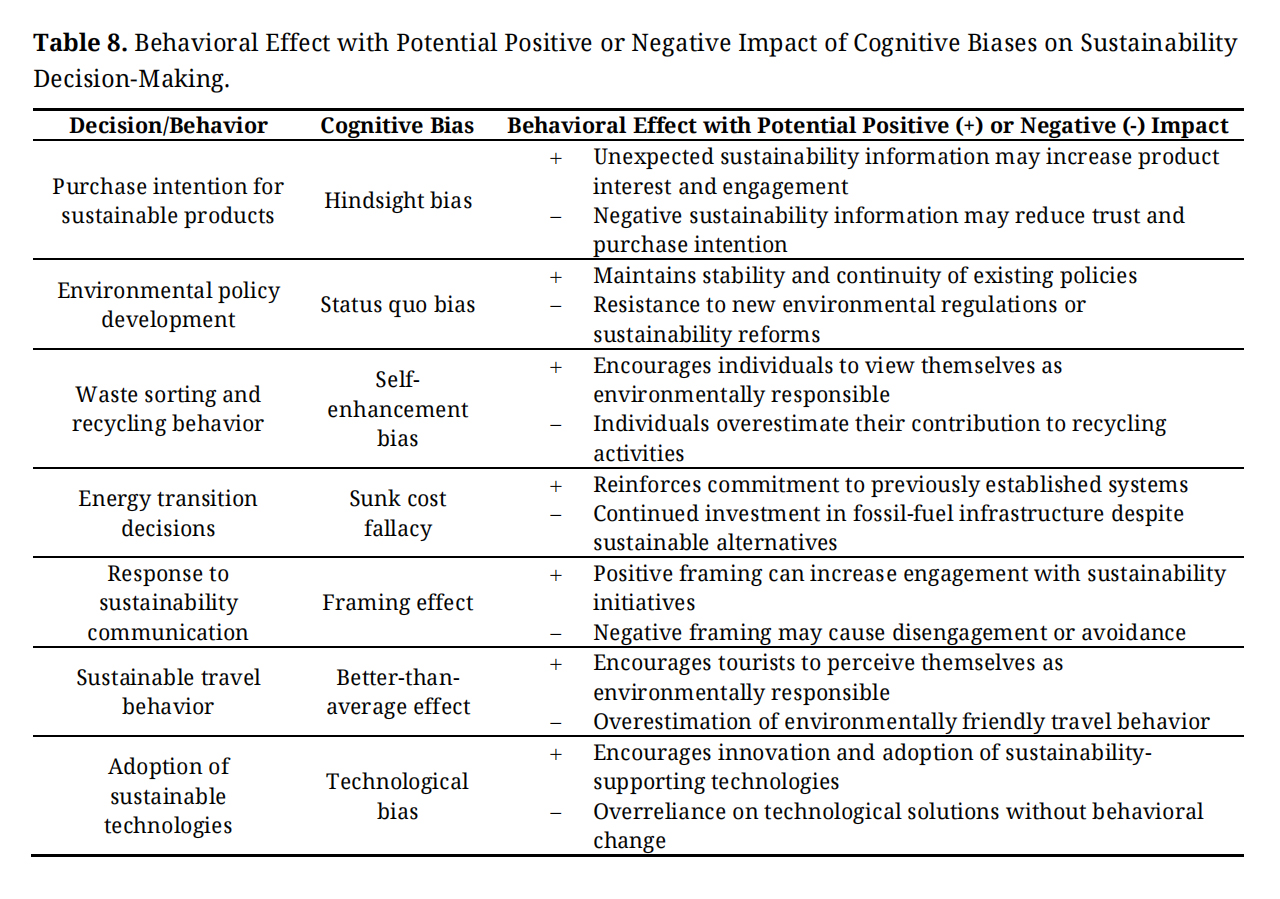 Table 8. Behavioral Effect with Potential Positive or Negative Impact of Cognitive Biases on Sustainability Decision-Making.
For instance, people might overlook future risks, feel judged by others’ pro-environmental actions, or continue supporting harmful practices because of past investments in time, effort or money. Visual images, media messages, and personal experiences influence how individuals interpret and react to environmental issues [90]. Understanding these influences helps explain why environmental decisions sometimes create positive changes, but in many cases lead to delays, misunderstandings, or unexpected consequences. Also, with the given understanding on related and underlying mechanisms, as shown in Table 9, researchers and policymakers may design interventions that increase awareness of these behavioral mechanisms to the affected or to become affected people. Thus, people will be aware of and be more resistant against specific behavior controlling mechanisms.
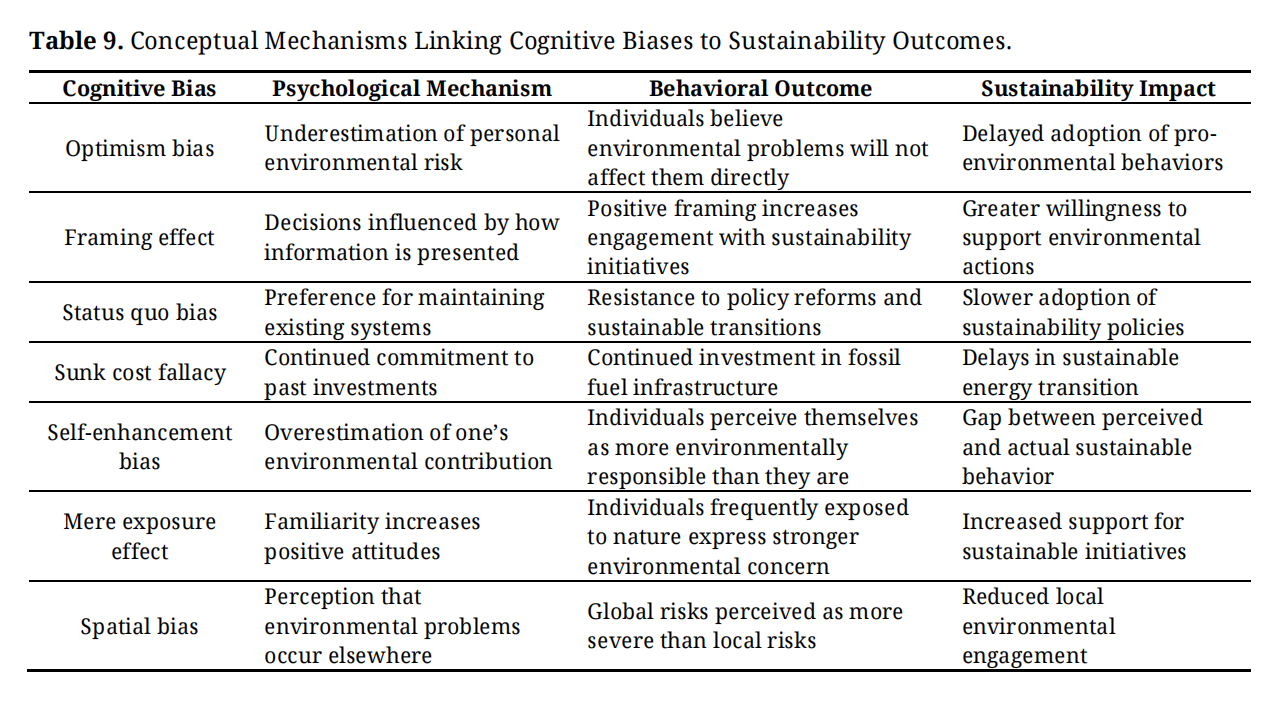 Table 9. Conceptual Mechanisms Linking Cognitive Biases to Sustainability Outcomes.
For example, based on the found literature, it is worth discussing a set of the most impactful and fitting on current modern digital societies. For instance, misalignment and information overload can influence bias formation [64], while emotional processing and prospect theory also play a role [83]. Additionally, knowledge and access to information are important for environmental action; however, even strong motivation may not lead to effective behavior due to communication problems and the presence of various biases, including sensory, organizational, psychological, and political biases [89].
Building on the results of the systematic literature review, we synthesized the reviewed evidence into a conceptual framework shown in Figure 3. The framework integrates the key relationships identified across the reviewed studies and illustrates how cognitive biases influence sustainability-related decisions, the mechanisms through which these influences occur, and potential points for mitigation. By explicitly capturing the interplay between different layers of possible human decision-making process, the framework serves as a practical tool for researchers, educators, policymakers and practitioners for the development of bias-aware interventions and the design of decision-support approaches for sustainability.
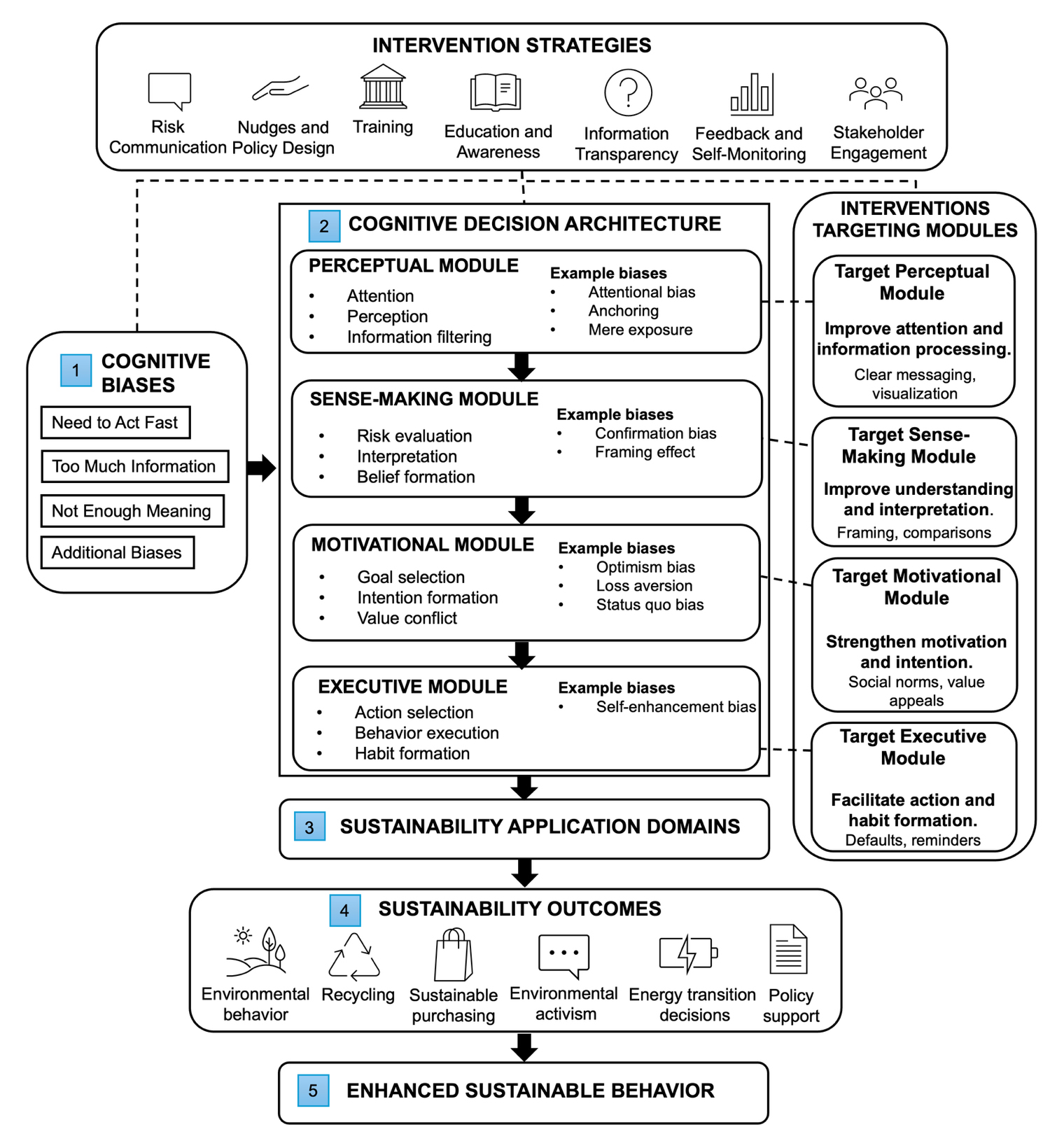 Figure 3. The conceptual sustainability-bias framework based on the reviewed literature.
Figure 3 presents illustrative examples of cognitive biases rather than an exhaustive list. The framework was developed inductively from the findings of the systematic literature review by integrating recurring themes reported across different sustainability domains. Its purpose is to organize the fragmented literature into a coherent structure that highlights the relationships between cognitive biases, sustainability-related decision-making processes, and potential mitigation strategies. The framework summarizes the decision-making process from the interaction of four cognitive modules that cognitive biases may influence: Perceptual, Sense-Making, Motivational, and Executive. Each module is associated with specific cognitive biases that shape how environmental information is noticed, interpreted, transformed into intentions, and translated by people into their actions. The modules are further supported by established behavioral theories that help explain these stages of decision-making.
Perceptual Module describes how individuals first notice environmental information. Consistent with Dual-Process Theory, early perception is influenced by fast, automatic cognitive processes. Biases such as anchoring, attentional bias and mere exposure effect shape what individuals pay attention to and what they overlook. Because many sustainability issues are complex or not immediately visible, these biases can reduce perceptions of environmental problems urgency and prevent them from reaching conscious deliberation.
Sense-Making Module explains how individuals interpret environmental information and its relevance. In this stage, biases such as confirmation bias influence how people evaluate environmental risks and responsibilities. This process also relates to the Value–Belief–Norm (VBN) theory, which emphasizes awareness of consequences and responsibility attribution.
Motivational Module explains how intentions to act are formed. It aligns with the Theory of Planned Behavior (TPB), where attitudes, social norms, and perceived control shape behavioral intentions. Cognitive biases such as optimism bias and status quo bias may weaken motivation by reducing perceived risk or encouraging rationalization of inaction.
Executive Module focuses on the actual execution of sustainable behavior. Individuals often rely on cognitive shortcuts during decision-making, and biases such as the default effect, sunk cost fallacy, and self-enhancement bias can influence behavioral outcomes. This stage relates to Nudge Theory, which suggests that adjusting decision environments through defaults, simplification, or reduced friction can encourage more sustainable choices.
By synthesizing these recurring patterns into a conceptual framework, the review integrates fragmented evidence and highlights how cognitive biases may contribute to the gap between environmental values, knowledge, concerns, and actual sustainable behavior.
Research Gaps and Future WorkResearch gap 1: Categorization of cognitive biases in sustainability. Several studies [23,76,91] have attempted to categorize cognitive biases relevant to sustainability decision-making, but no widely accepted framework currently exists. In this study, bias classification was primarily informed by a taxonomy adapted from the Cognitive Bias Codex [46], which provides one of the most comprehensive classifications of cognitive biases.
Related research proposed alternative classification approaches. For example, a study by Engler et al. (2019) categorized biases into individual-level and group-level cognitive biases but acknowledged that the list was not exhaustive for sustainability contexts [91]. Previous studies have organized biases according to different perspectives, including individual and group levels [91], psychological characteristics of sustainability challenges [23], sensory, psychological, organizational, and political dimensions [76], and social and cultural contexts [92]. Other studies have classified biases based on communication framing, social norms, or decision-making contexts [83,93]. Despite these research efforts, a systematic taxonomy tailored specifically to sustainability research remains underdeveloped. Future research should focus on developing a consistent classification that groups biases according to their underlying mechanisms, areas of application, and influence on sustainability decision-making.
Research gap 2: Limited empirical research on many known cognitive biases. Although this review identified 58 cognitive biases related to sustainability, many were reported in only a single study. This suggests that the role of cognitive biases in sustainability decision-making remains underexplored, particularly in relation to the SDGs, circular economy, and digital society. Future research should investigate these biases in greater depth and examine their specific effects across different sustainability contexts, educational settings and societal contexts to better understand their implications for policy development and sustainable behavior.
Research gap 3: Limited evidence on effective bias mitigation strategies. Although the reviewed studies propose several approaches for mitigating cognitive biases that influence sustainable behavior, practical guidance remains limited. These findings are particularly relevant for municipal authorities and waste management organizations, which play a key role in promoting sustainable practices. Industry experts emphasize that achieving higher recycling targets, such as those defined by the EU, requires adopting more advanced waste management approaches. Several strategies can help address the effects of cognitive biases. First, increasing self-awareness and reflection enables individuals recognize and reduce the influence of biases in decision-making. Second, communication strategies tailored to cognitive biases can improve public engagement and support for sustainable behavior. Third, incorporating cognitive bias awareness into education and training programs may help individuals and institutions make more informed sustainability decisions. Digital communication tools can further support these efforts by promoting sustainability information, while interventions should also consider cultural diversity, individual differences, and societal values. Encouraging collaboration between communities, organizations, and policymakers can help strengthen collective efforts toward long-term environmental sustainability. Nevertheless, more research is needed to develop and test well-designed behavioral interventions, communication strategies, and policy tools, which can effectively reduce the impact of biases and promote sustainable decision-making.
Research gap 4: Lack of research on memory-related biases in sustainability. The analysis revealed that none of the identified biases in the present sample fall under the “What we should remember” category of the Cognitive Bias Codex. This suggests that memory-related biases may remain unexplored in sustainability research, despite their potential role in shaping how individuals recall environmental information and past experiences related to sustainable behavior.
Research gap 5: Lack of interdisciplinary research approaches. Understanding the relationship between cognitive biases and sustainability requires insights from multiple disciplines, including psychology, behavioral economics, environmental science, and information systems. At the same time, literature still lacks integrated interdisciplinary frameworks that comprehensively address these interactions. As digital tools and decision-support systems become increasingly important for sustainability initiatives, little research has examined how cognitive biases influence human–computer interaction or collaborative decision-making systems in sustainability contexts. Sustainability decisions also often involve multiple stakeholders and complex negotiations. Thus, there is a need to investigate how cognitive biases emerge and influence decision-making in multi-stakeholder environments, human–human collaboration, and human–computer interaction, particularly in the context of sustainability initiatives. Future research should explore how communication, collaboration, and technological systems influence biased decision-making in sustainability contexts, including the role of emerging AI-based decision-support tools, social media, and multicultural digital collaboration environments.
Limitations and Threats to ValidityIn its current form, we acknowledge the following limitations that potentially influence generalization of our review. First, although multiple academic databases were searched, it was not possible to include every relevant database. As a result, some studies may not have been identified. Nevertheless, the selected databases provide broad coverage of the literature on cognitive biases and sustainability. Second, the review included studies published between 2000 and 2025. Therefore, more recent publications were not included and may provide additional insights into cognitive biases in sustainability contexts. The year 2000 was selected as a practical starting point to focus on contemporary sustainability-related contexts. However, this boundary may have excluded relevant earlier studies. Third, the reported biases were classified as cognitive biases based on the terminology used in the reviewed studies. Other studies may use different terms to describe similar phenomena. Fourth, the absence of a psychology-specific database, such as PsycINFO, from the literature search. Although the selected databases provided broad coverage of interdisciplinary research on cognitive biases and sustainability, relevant studies published in psychology-focused journals may not have been identified. Although the literature review identifies both potentially positive and negative influences of cognitive biases on decision-making in sustainability domains, the strength of empirical evidence varies across studies. In addition, several mitigation strategies identified in the literature remain recommendations rather empirically evaluated interventions. Only environmentally relevant cognitive biases were extracted from the study [78]. Finally, the proposed conceptual framework should be interpreted as a synthesis of the reviewed evidence rather than as a validated behavioral model. Future research should empirically evaluate and refine the framework across different sustainability domains.
This review challenges the dominant view of cognitive biases in sustainability research as problems that simply need to be corrected. Instead, it shows that biases follow identifiable patterns, vary across contexts, and, in some cases, can be redirected to support more sustainable decisions and behaviors. By systematically identifying 58 cognitive biases reported across 41 studies, examining their implications, and synthesizing reported mitigation strategies, this review provides a comprehensive overview of current research. The results also demonstrate that cognitive biases should not be viewed only as barriers to sustainability. While many biases contribute to unsustainable decisions and behaviors, others can be leveraged to encourage more sustainable actions when appropriate interventions and decision environments are designed. By identifying key biases and synthesizing existing research, this study provides a foundation for future research and practical interventions aimed at promoting sustainable behavior.
The results also emphasize the importance of interdisciplinary approaches that integrate insights from psychology, behavioral economics, environmental science software engineering and policy research. Our study provides key recommendations for management and policy to address cognitive biases effectively. However, these recommendations alone are insufficient without concrete action and practical implementation. Further research is needed for deeper research into the relationship between cognitive biases and sustainability, particularly in areas such as business, corporate social responsibility (CSR), and the broader dimensions of sustainability, including social, individual, technical, and economic aspects. To date, the primary focus has been on environmental sustainability.
Sustainability-related decisions often involve multiple stakeholders with different goals and perspectives. If only one person were making decisions, environmental analysis would be much simpler [90]. However, sustainability challenges require collaboration among diverse stakeholders with different goals and perspectives, making communication, negotiation, and decision-making considerably more complex. Cognitive biases can further influence these interactions, affecting how individuals and organizations evaluate alternatives and reach decisions.
The findings have practical implications for researchers, policymakers, educators, and organizations. Understanding how cognitive biases influence decision-making can support the design of more effective communication strategies, educational approaches, and policy interventions that encourage sustainable behavior. At the same time, future research should empirically evaluate the developed conceptual framework and develop evidence-based interventions to reduce harmful biases while leveraging those that promote sustainability. The four-module framework presented in this review provides a common structure for understanding how cognitive biases can influence different stages of sustainability-related decision-making, from interpreting environmental information to translating intentions into behavior. The framework can guide future research and interventions aimed at better understanding and reducing the gap between sustainability intentions and actual behavior biases. The study might be useful for sustainability researchers, behavioral designers, digital intervention architects, and municipal policymakers to join in to task of greater good.
No data were generated from the study.
KS conducted the literature search, screening, data extraction, coding, analysis, and synthesis, and drafted the paper. AH contributed to the literature background, Introduction, and Conclusions, validated the coding, and revised the paper. JP contributed to the study design, methodology, formulation of the research questions, and revision of the paper. HP and VP reviewed the paper and provided comments. KS, AH and JP approved the final version.
The authors declare that they have no conflicts of interest.
The work was supported by LUT International collaboration funding and AWARE project under Grant KS1913 from the European Neighborhood Instrument Cross-border Cooperation (ENI CBC), Co-funded by the European Union. The work received financial support from project Plan B for Happonen for finalization of the study and help to build understanding for the limiting and supporting actions biases, Co-funded by the European Union. Technical views were supported by the project Createch Wake Up Etelä-Karjala!, Co-funded by European Union.
The authors would like to thank the editors and reviewers of the Journal of Sustainability Research for their constructive feedback and guidance. We also thank the Department of Software Engineering and the Sustainable Software team at LUT University for their support and valuable discussions.
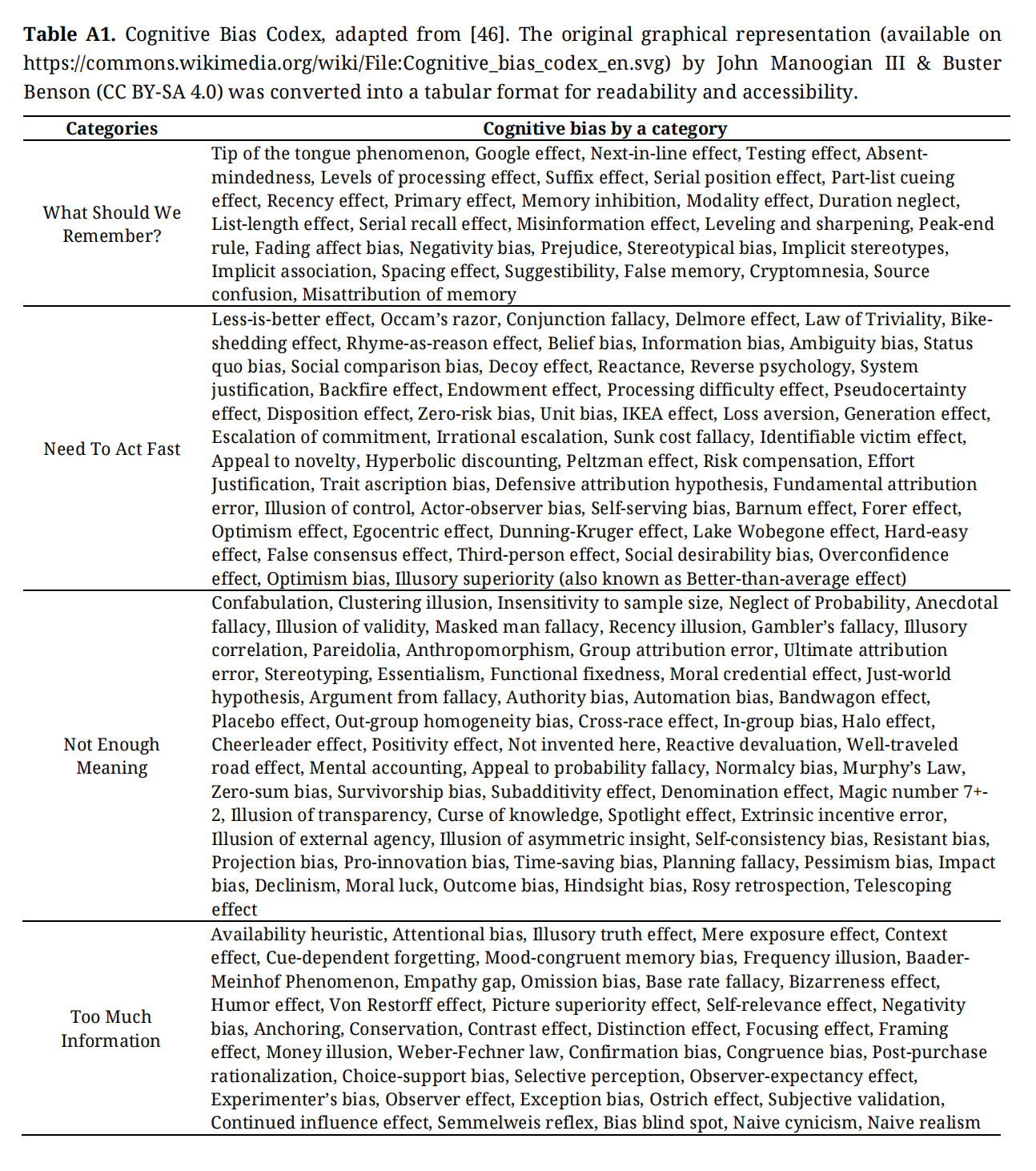 Table A1. Cognitive Bias Codex, adapted from [46]. The original graphical representation (available on https://commons.wikimedia.org/wiki/File:Cognitive_bias_codex_en.svg) by John Manoogian III & Buster Benson (CC BY-SA 4.0) was converted into a tabular format for readability and accessibility.
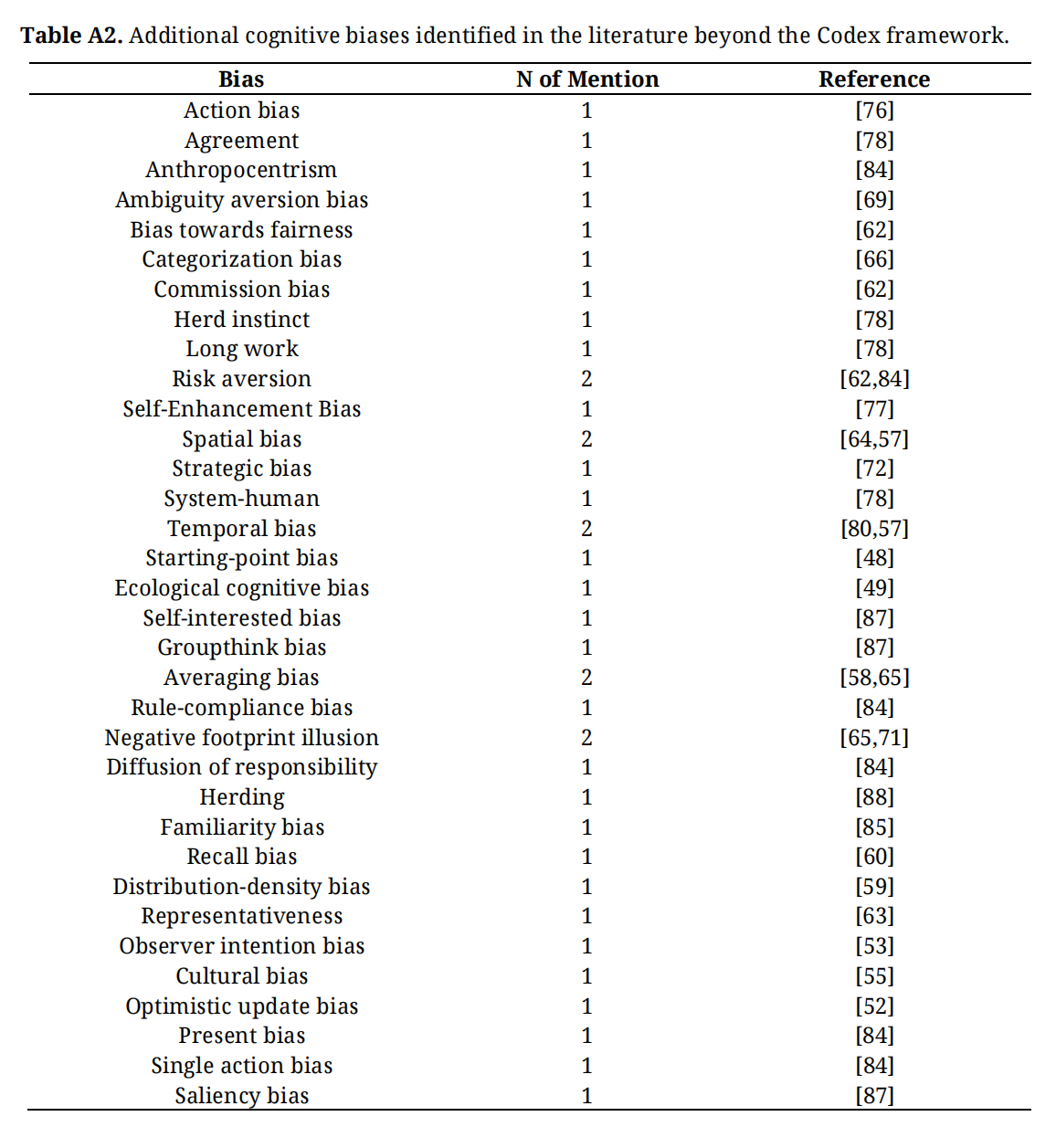 Table A2. Additional cognitive biases identified in the literature beyond the Codex framework.
1.
2.
3.
4.
5.
6.
7.
8.
9.
10.
11.
12.
13.
14.
15.
16.
17.
18.
19.
20.
21.
22.
23.
24.
25.
26.
27.
28.
29.
30.
31.
32.
33.
34.
35.
36.
37.
38.
39.
40.
41.
42.
43.
44.
45.
46.
47.
48.
49.
50.
51.
52.
53.
54.
55.
56.
57.
58.
59.
60.
61.
62.
63.
64.
65.
66.
67.
68.
69.
70.
71.
72.
73.
74.
75.
76.
77.
78.
79.
80.
81.
82.
83.
84.
85.
86.
87.
88.
89.
90.
91.
92.
93.
Suomalainen K, Happonen A, Porras J, Poltimäe H, Palacin V. Cognitive Biases as Obstacles to Sustainable Behavior or Untapped Potential for the Greater Good: A Systematic Literature Review. J Sustain Res. 2026;8(4):e260092. https://doi.org/10.20900/jsr20260092.

Copyright © Hapres Co., Ltd. Privacy Policy | Terms and Conditions


